Introduction to the World of Games
Games have been an integral part of human civilization for thousands of years. From ancient board games played in Mesopotamia to modern video games enjoyed worldwide, games have entertained, educated, and connected people across generations. They are more than mere pastimes—they are reflections of culture, technology, and human creativity.
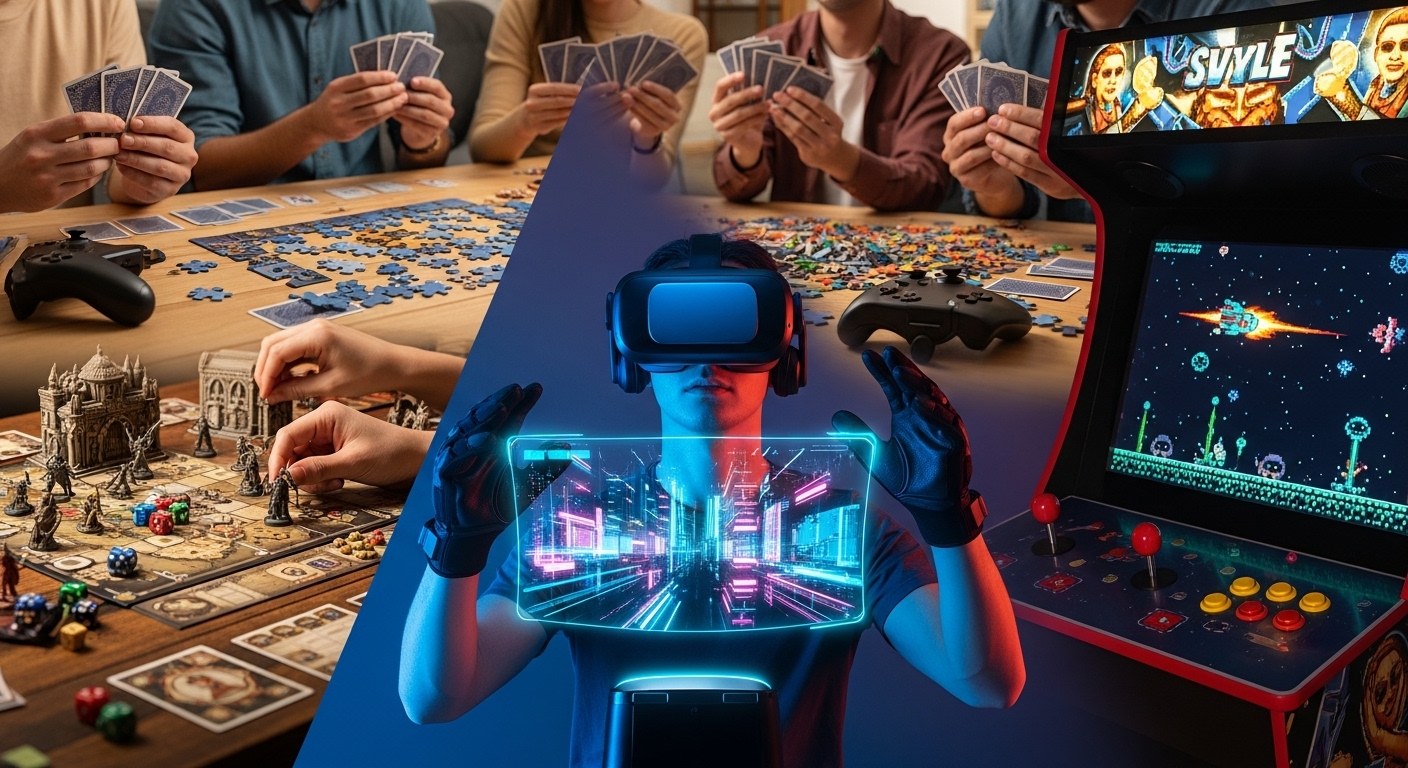
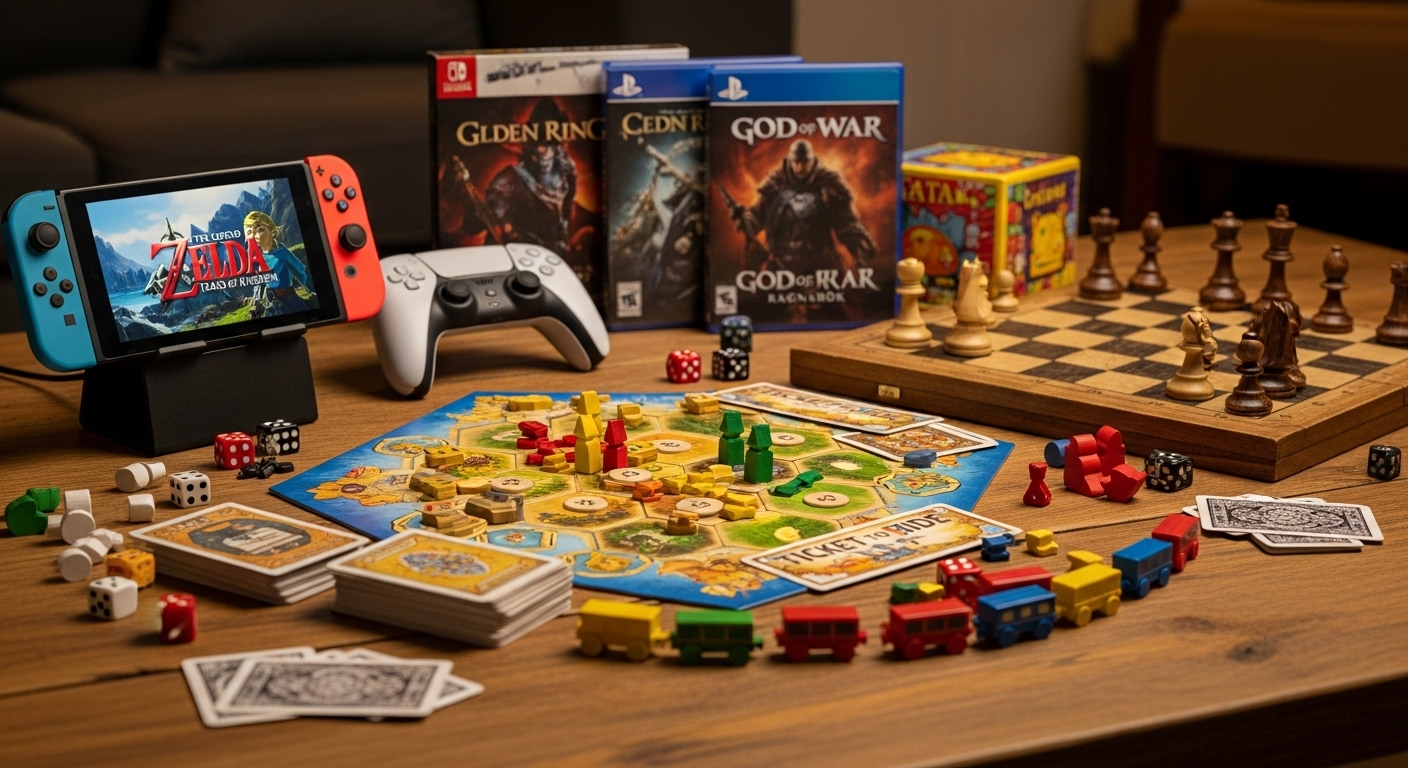
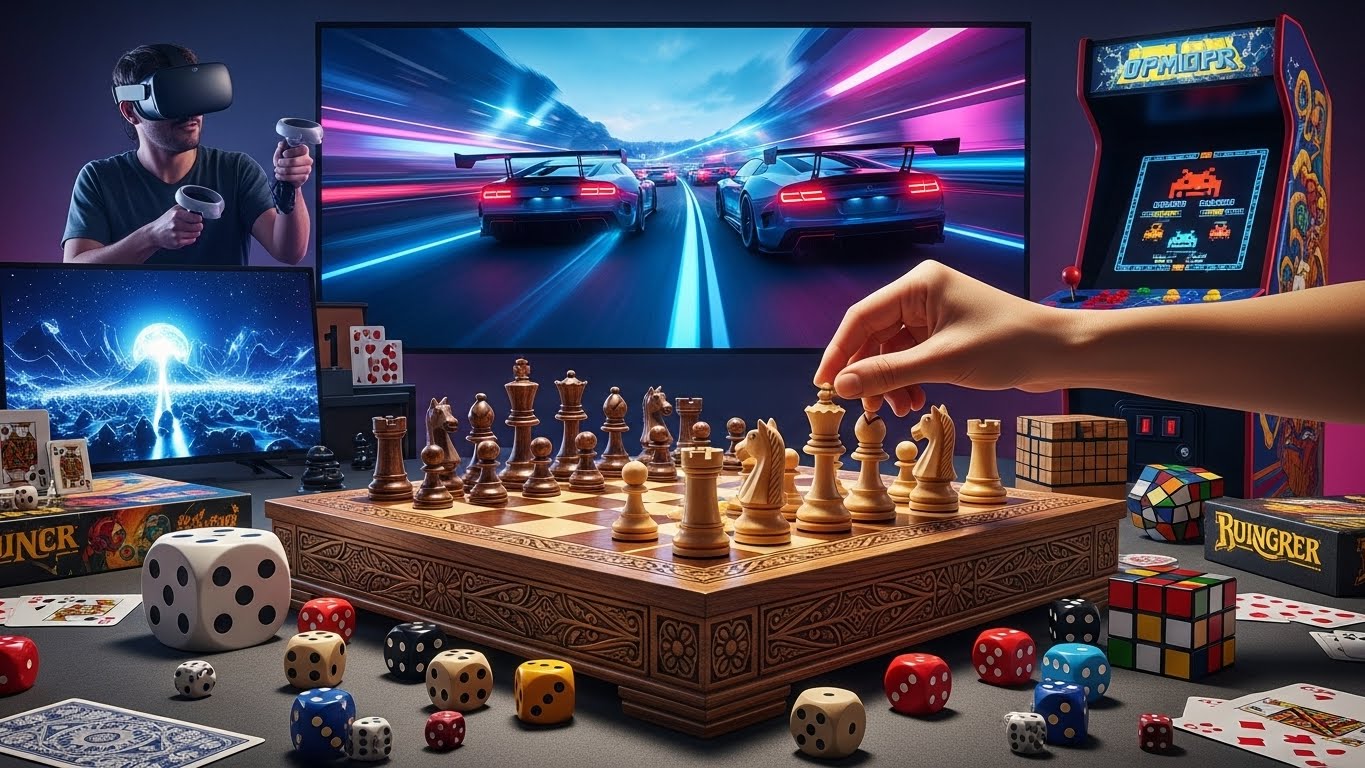
Today, games exist in countless forms, including board games, card games, video games, mobile games, and virtual reality experiences. Each form offers unique experiences, appealing to diverse audiences with different interests and preferences. This blog explores the evolution of games, their impact on society, the technology driving them, and the future of gaming.
The History of Games
The history of games dates back thousands of years. Some of the earliest evidence of games includes ancient dice and board games found in Egypt and Mesopotamia. Games like Senet, an Egyptian board game, and the Royal Game of Ur in Mesopotamia were not only for entertainment but also held spiritual or educational significance.
In the Middle Ages, card games emerged as a popular form of recreation in Europe. Chess became widely recognized as a game of strategy, skill, and intellectual challenge, reflecting societal values of planning, strategy, and patience. Games served as social activities that brought people together, fostering communication and camaraderie.
The 20th century marked the beginning of modern gaming with the invention of video games. Early games like Pong and Space Invaders laid the foundation for the digital gaming revolution. The industry grew rapidly with the introduction of personal computers, gaming consoles, and eventually mobile devices.
Types of Games
Games can be broadly categorized into several types, each offering distinct experiences and appealing to different interests.
Board Games
Board games are one of the oldest forms of structured play. They range from classic games like Monopoly and Scrabble to strategy-based games like Settlers of Catan and Risk. Board games encourage social interaction, critical thinking, and strategic planning. They remain popular because they are tangible, interactive, and provide a shared experience among players.
Card Games
Card games, both traditional and modern, have been a part of human culture for centuries. Classic card games like Poker, Bridge, and Rummy require skill, strategy, and probability assessment. Collectible card games, such as Magic: The Gathering, introduced a competitive and collectible aspect to card-based play, blending strategy with community engagement.
Video Games
Video games have transformed entertainment in the digital age. They encompass a wide range of genres, including action, adventure, role-playing, simulation, puzzle, and sports games. Video games offer immersive experiences, allowing players to explore virtual worlds, engage in challenges, and develop skills. Multiplayer online games have created global communities, connecting players across continents and fostering collaboration and competition.
Mobile Games
Mobile gaming has revolutionized the accessibility of games. Smartphones and tablets allow players to enjoy games anywhere and at any time. Mobile games range from casual puzzle games like Candy Crush to complex strategy games like Clash of Clans. The ease of access and the social features embedded in many mobile games have made this category one of the fastest-growing segments in the gaming industry.
Virtual Reality and Augmented Reality Games
Virtual reality (VR) and augmented reality (AR) represent the cutting edge of gaming technology. VR immerses players in fully interactive digital environments, allowing them to experience games as if they were physically present in the virtual world. AR overlays digital elements onto the real world, blending reality and virtual experiences. These technologies provide unprecedented immersion and interactivity, pushing the boundaries of traditional gaming.
The Impact of Games on Society
Games have had a profound impact on society in multiple ways, influencing culture, education, social interaction, and even mental health.
Cultural Influence
Games reflect and shape culture. They tell stories, depict historical events, and explore moral dilemmas. Video games like historical simulations allow players to learn about different eras, while fantasy games create immersive worlds inspired by myths, literature, and art. Through games, players engage with cultural narratives and develop a deeper understanding of different perspectives.
Educational Value
Games are powerful educational tools. Many games develop cognitive skills, such as problem-solving, strategy, and critical thinking. Educational games are specifically designed to teach subjects like mathematics, language, and science in an engaging way. Even mainstream video games often teach valuable skills such as hand-eye coordination, teamwork, and resource management.
Social Interaction
Games bring people together. Multiplayer games, both online and offline, foster social interaction and collaboration. Cooperative gameplay encourages communication, teamwork, and leadership, while competitive games challenge players to improve and strategize. Gaming communities, forums, and events create social bonds and shared experiences that transcend geographical boundaries.
Mental Health and Wellbeing
Contrary to some misconceptions, games can have positive effects on mental health. They provide stress relief, entertainment, and a sense of achievement. Puzzle and strategy games stimulate cognitive functions, while immersive games offer temporary escape and relaxation. However, responsible gaming is essential to prevent addiction and maintain a healthy balance between gaming and other life activities.
Technology Driving Modern Games
Modern games are powered by advanced technology, which continuously enhances graphics, gameplay, and interactivity.
Graphics and Animation
High-quality graphics and realistic animations are essential for immersive gameplay. Advances in rendering technology allow developers to create visually stunning environments, lifelike characters, and fluid movements that enhance the player experience.
Artificial Intelligence
Artificial intelligence (AI) plays a crucial role in gaming. AI controls non-player characters, adapts game difficulty to individual players, and creates dynamic game environments. It ensures that games remain challenging and engaging, providing a personalized experience for each player.
Online Connectivity
The rise of the internet has transformed gaming into a global activity. Online connectivity allows multiplayer gaming, cloud-based gameplay, and real-time interaction. It has created competitive eSports tournaments and collaborative gaming communities, expanding the reach and social dimension of gaming.
Virtual and Augmented Reality
VR and AR technologies continue to redefine gaming experiences. VR offers complete immersion, while AR integrates gaming into the real world. These technologies enhance interactivity, creativity, and engagement, offering experiences that go beyond traditional screen-based games.
The Business of Gaming
The gaming industry is one of the fastest-growing entertainment sectors in the world. It generates billions of dollars annually through game sales, in-game purchases, subscriptions, and advertising. The industry includes developers, publishers, hardware manufacturers, and service providers, all contributing to a complex ecosystem.
Game development is both an art and a science. Developers combine storytelling, design, and programming to create engaging experiences. Marketing strategies, community management, and competitive events further enhance the reach and popularity of games.
The Future of Gaming
The future of gaming promises innovation, inclusivity, and interactivity. Emerging trends include cloud gaming, which allows players to stream games without high-end hardware, and AI-driven dynamic content that adapts to individual player behavior.
Social and community-focused games will continue to grow, emphasizing collaboration and shared experiences. VR and AR will become more accessible, providing immersive gameplay experiences to a broader audience. Mobile and cross-platform gaming will further expand access, making games a universal form of entertainment.
Inclusivity and diversity in game narratives and characters are also becoming increasingly important. Games are evolving to reflect broader social experiences, empowering players to engage with diverse stories and perspectives.
Conclusion
Games have come a long way from ancient board games to modern virtual reality experiences. They are not merely entertainment; they are cultural artifacts, educational tools, social connectors, and technological marvels. Games engage our minds, foster creativity, and provide immersive experiences that bring people together.
The gaming industry continues to evolve, driven by technological innovation, creative storytelling, and a desire to connect and entertain. Whether played on a board, a mobile device, or in a fully immersive virtual environment, games remain a fundamental part of human culture. They shape the way we interact, learn, and experience the world.
As technology advances, the boundaries of what games can offer will continue to expand. From AI-driven gameplay to virtual reality immersion, the future of gaming promises experiences that are more engaging, interactive, and inclusive than ever before. Games will continue to be a central part of entertainment, education, and social connection, inspiring generations of players around the world.