Introduction
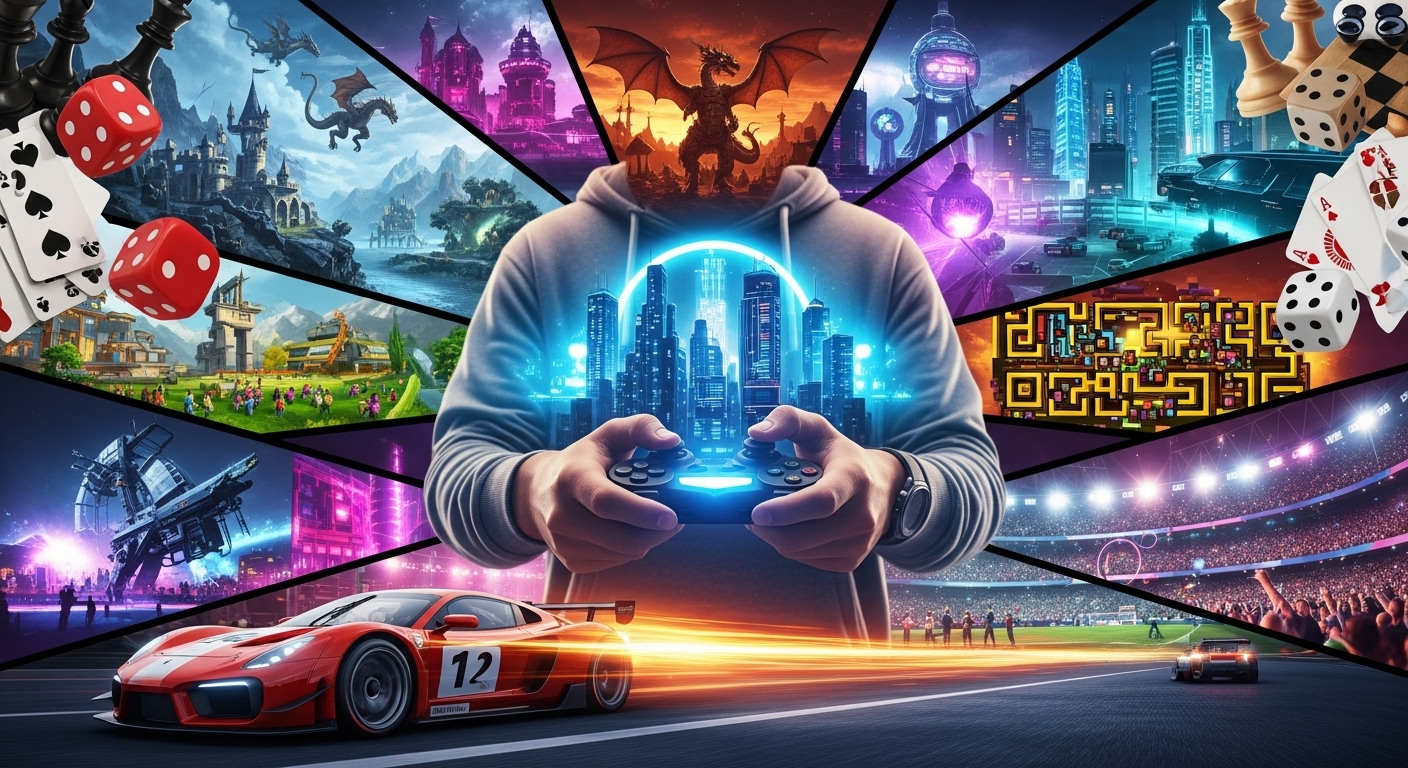
Games have been an integral part of human culture for centuries. They entertain, challenge, and teach us valuable lessons, all while keeping the mind active. From traditional board games and outdoor sports to digital video games, the concept of games has evolved dramatically, yet their core purpose remains the same: to provide enjoyment, foster social connection, and stimulate the mind.
The Evolution of Games
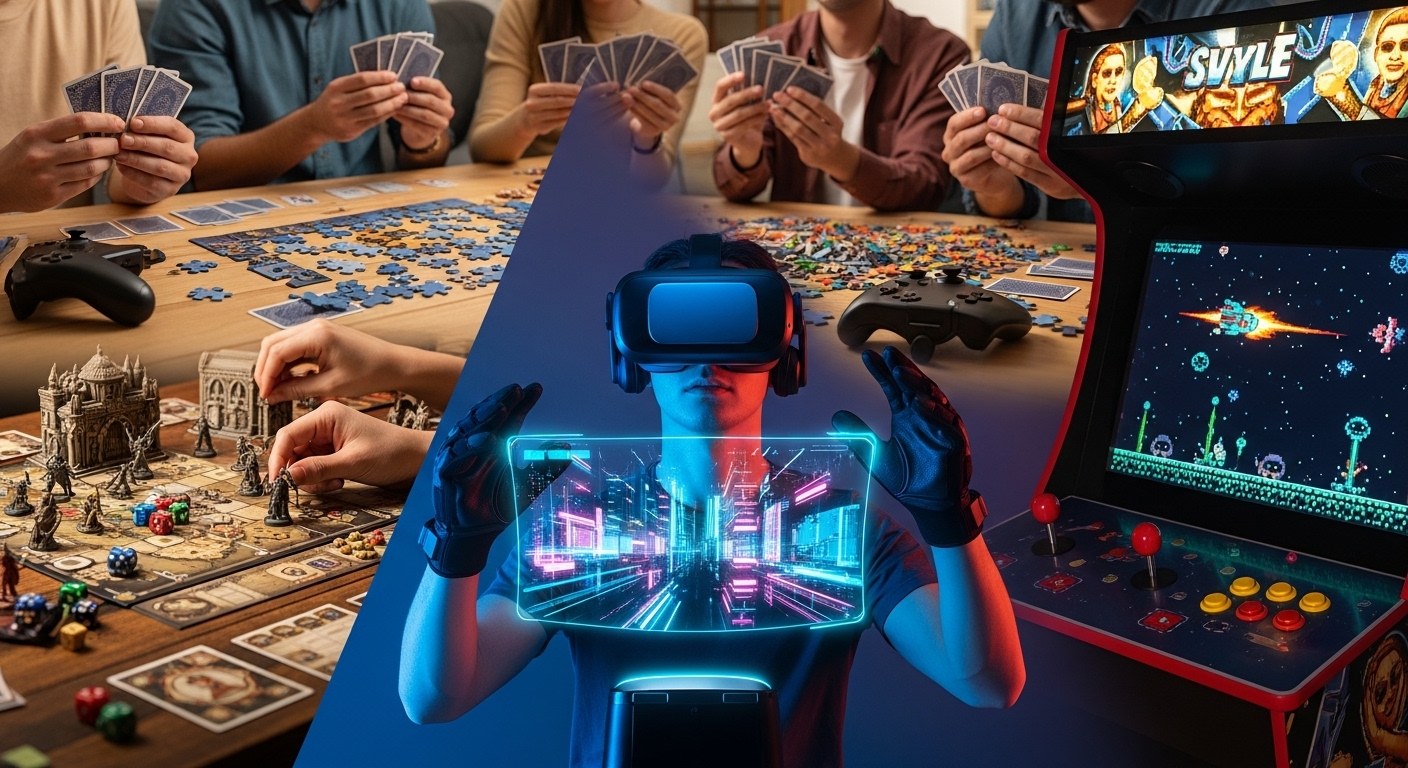
Games have come a long way from ancient pastimes like chess, tag, or marbles. Today, the gaming world includes video games, mobile apps, and virtual reality experiences. Technology has transformed games into immersive experiences, offering rich graphics, intricate storylines, and interactive worlds. While traditional games teach patience, strategy, and teamwork, modern digital games combine these skills with creativity and critical thinking.
Benefits of Playing Games
Games are more than a source of entertainment—they offer cognitive, physical, and social benefits. Strategy games enhance problem-solving and analytical thinking. Physical games improve coordination, fitness, and agility. Multiplayer games teach teamwork, communication, and leadership. Even casual games help reduce stress and improve focus. By engaging in games, individuals can develop skills that are applicable in everyday life.
Social Impact of Games
Games have a unique way of bringing people together. Board games foster family bonding, sports create friendships, and online multiplayer games connect players from across the globe. Social interaction in games teaches collaboration, respect, and conflict resolution. eSports tournaments and gaming communities further amplify this social aspect, creating opportunities for recognition, teamwork, and shared experiences.
Challenges in Gaming
Despite their benefits, games can pose challenges if not approached responsibly. Excessive gaming may affect physical health, mental well-being, and personal relationships. Some digital games may also contain violent or inappropriate content. To enjoy games safely, balance and moderation are essential, along with awareness of the type of games being played.
The Future of Gaming
The future of games is promising and full of innovation. Virtual reality, augmented reality, and artificial intelligence are creating new ways to play and interact. Educational games are helping children learn in exciting ways, while interactive storytelling in video games is providing more immersive experiences. As games continue to evolve, they will remain a powerful medium for entertainment, learning, and social connection.
Conclusion
Games are much more than a way to pass time—they are a source of learning, creativity, and joy. They sharpen the mind, strengthen social bonds, and provide endless opportunities for fun and growth. From traditional board games to advanced digital adventures, games reflect the spirit of human imagination and the timeless desire to challenge, explore, and connect.