Introduction: Games as a Cornerstone of Modern Entertainment
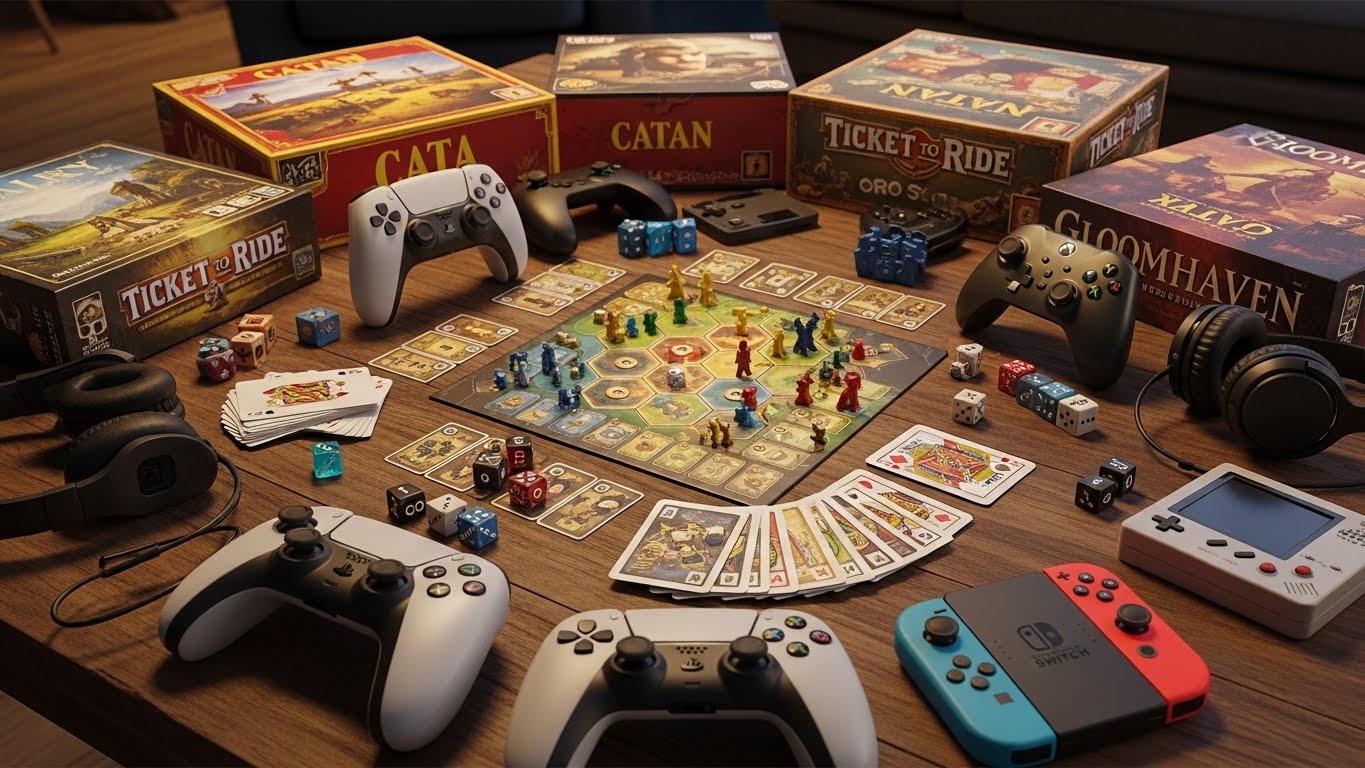
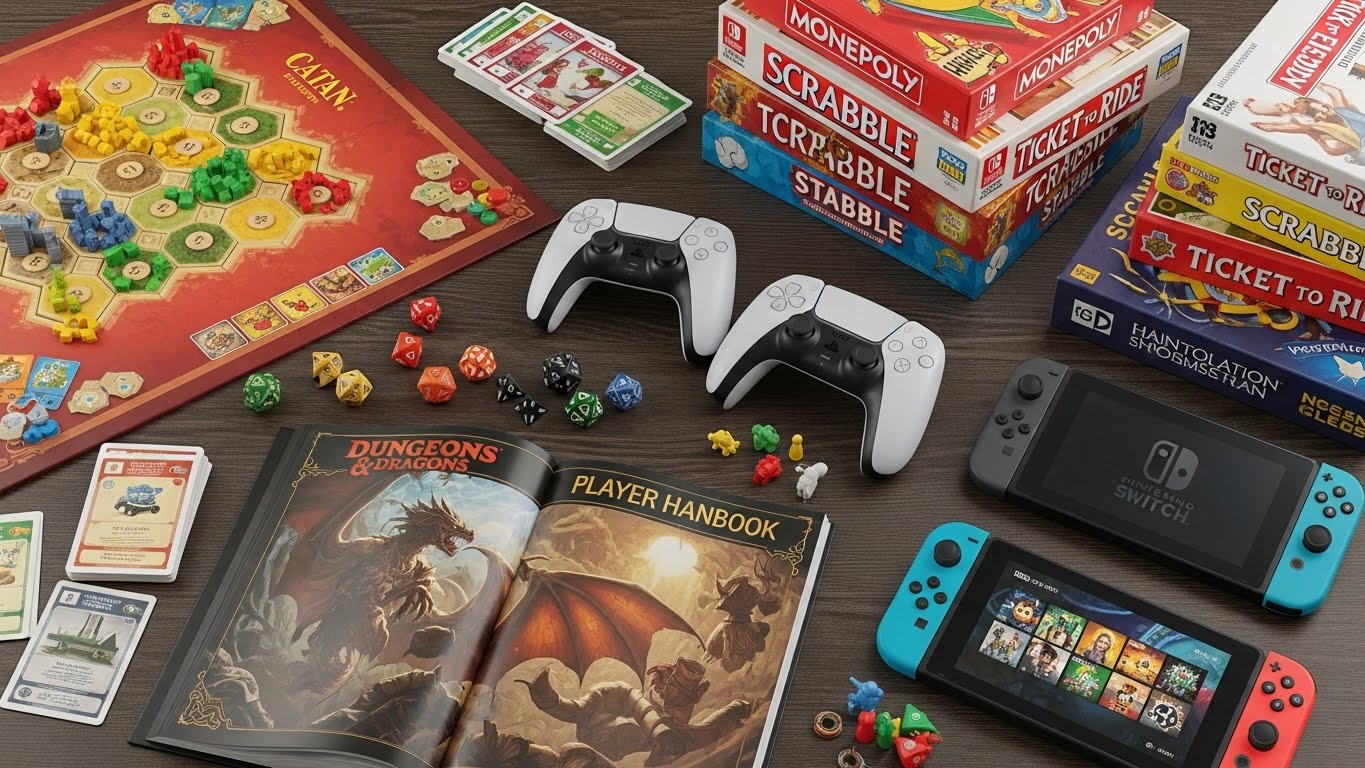
Games have long been a part of human history, from traditional board games and card games to digital experiences that span the globe. Today, games are far more than leisure activities—they are a cultural force, a creative outlet, and a medium for connection. Modern gaming encompasses a vast spectrum, including console titles, mobile games, online multiplayer worlds, and immersive virtual reality experiences. Games influence not just entertainment, but also social interaction, education, technology, and even career opportunities. In this blog, we explore how games have evolved, the technological innovations behind them, their cultural impact, and the future of gaming.
The Evolution of Games: From Classics to Digital Realms
Games have transformed dramatically over the centuries. Early games, such as chess, checkers, and traditional card games, focused on strategy, skill, and social interaction. These classics laid the foundation for modern game design, emphasizing logic, competition, and collaboration.
The 20th century brought electronic and arcade games, introducing interactive entertainment to a broader audience. Titles like Pong, Pac-Man, and Space Invaders captivated players with simple mechanics and addictive gameplay. The rise of home consoles in the 1980s and 1990s allowed gaming to move from arcades into living rooms, increasing accessibility and expanding the diversity of games.
With the advent of personal computers, online connectivity, and mobile devices, gaming entered a new era. Games became immersive, interactive, and globally accessible, giving players the ability to connect, compete, and create across continents. Today, games are not just hobbies—they are industries, communities, and cultural phenomena.
Technology and Innovation in Modern Gaming
Technological advancements have propelled games into highly sophisticated experiences. Powerful processors and graphics engines allow developers to create realistic environments, lifelike animations, and intricate gameplay mechanics. Physics engines simulate natural movements and interactions, making gameplay more immersive and engaging.
Online multiplayer platforms have transformed gaming into a social experience. Players can team up, compete, and communicate in real time with people around the world. Cloud gaming has further broken hardware barriers, allowing high-quality games to be played on devices that previously lacked the necessary processing power.
Virtual reality and augmented reality are pushing the boundaries even further. VR creates fully immersive worlds where players can interact with the environment in three dimensions. AR blends the real and virtual worlds, providing unique experiences that merge imagination with reality. These innovations have expanded what games can achieve, both as entertainment and as creative expression.
Games as Storytelling Mediums
One of the most compelling aspects of modern games is their ability to tell stories. Games offer interactive narratives that allow players to shape the story through their actions and decisions. This interactivity creates personal experiences, where every choice can lead to different outcomes.
Story-driven games explore themes such as morality, friendship, identity, and consequence. Players develop emotional connections with characters, investing in their journeys and experiencing their triumphs and failures. The depth of storytelling in games now rivals that of books and movies, proving that games are not just for fun—they are a legitimate medium for artistic expression and emotional engagement.
Competitive Gaming and Esports
Esports has transformed gaming into a professional, competitive industry. Professional players dedicate hours to mastering strategies, improving skills, and understanding complex game mechanics. Global tournaments attract millions of viewers and offer significant prize pools, rivaling traditional sports in popularity and economic impact.
Esports has also created career opportunities beyond playing, including coaching, analysis, broadcasting, and event management. The rise of esports highlights that gaming is not just a hobby—it can be a profession, a community, and a cultural phenomenon. Competitive gaming has changed perceptions of games, showing that they require skill, strategy, and dedication comparable to traditional sports.
Community and Social Interaction in Gaming
Gaming is inherently social. Online communities, forums, and multiplayer servers allow players to communicate, collaborate, and compete. Team-based games encourage communication, leadership, and problem-solving, fostering social skills that extend beyond the digital world.
Players often contribute to gaming culture through fan art, mods, content creation, and storytelling. These communities thrive on shared experiences, creativity, and collaboration, creating a sense of belonging and identity for participants. Gaming communities also support social causes, charitable events, and educational initiatives, demonstrating that games can unite people around common goals and values.
The Educational and Cognitive Benefits of Games
Games are not just entertainment—they are tools for learning and cognitive development. Strategy games enhance critical thinking, planning, and decision-making skills. Puzzle games develop problem-solving abilities and creativity. Multiplayer and cooperative games foster communication, teamwork, and leadership.
Educational games combine learning and engagement, helping players master subjects like mathematics, science, language, and history through interactive experiences. Even recreational games can improve hand-eye coordination, memory, and focus. The educational potential of games demonstrates that they are not only fun but also beneficial for personal growth and cognitive development.
Mobile Gaming: Gaming On the Go
The rise of mobile gaming has made games more accessible than ever. Smartphones and tablets allow players to enjoy games anywhere, from commuting to short breaks at work or school. Mobile games range from simple casual puzzles to competitive multiplayer experiences, appealing to a wide range of audiences.
Mobile platforms also encourage social interaction through online multiplayer features, leaderboards, and daily challenges. Mobile gaming has democratized access to interactive entertainment, allowing casual and dedicated players alike to engage with games anytime and anywhere. Its growth has made gaming a pervasive part of modern life.
Creativity and Player Expression
Modern games provide tools for creativity and self-expression. Sandbox games, open-world titles, and games with modding capabilities allow players to design their own worlds, characters, and narratives. Players are no longer just consumers—they become co-creators.
User-generated content extends the lifespan of games and fosters collaboration within gaming communities. Players create custom maps, mods, and storylines, adding unique perspectives and creativity to the game. This participatory aspect of games makes them more engaging and strengthens the connection between the player and the virtual world.
Virtual Reality and Immersive Gaming Experiences
Virtual reality is revolutionizing how players experience games. VR immerses players in 3D worlds where they can interact with objects and characters as if they were physically present. Augmented reality integrates digital elements into the real world, creating interactive and imaginative experiences.
These technologies offer unprecedented immersion, making games feel real and emotionally engaging. VR and AR have applications beyond entertainment, including education, training, therapy, and social interaction. As these technologies advance, they will redefine what games can achieve in both recreation and learning.
The Future of Gaming
The future of gaming is poised for further innovation. Artificial intelligence will drive adaptive and personalized gameplay, creating unique experiences for each player. Cross-platform gaming and cloud technology will make games more accessible and connected.
Procedural generation and AI-driven storytelling will provide infinite variations, ensuring no two experiences are the same. Gaming will continue to influence culture, education, and social interaction, shaping the way people communicate, learn, and express themselves. The potential for games to entertain, educate, and inspire is virtually limitless.
Conclusion: Games as a Defining Force in Modern Culture
Games are no longer just a form of leisure—they are a defining aspect of modern life. They connect people, foster creativity, promote learning, and provide immersive experiences that shape culture and society. From casual mobile games to professional esports and immersive VR experiences, games influence entertainment, social interaction, and personal development.
The evolution of games demonstrates their power to engage, challenge, and inspire. They are a universal language that crosses borders and generations, bringing people together through shared experiences. As technology continues to evolve, games will remain at the forefront of creativity, culture, and connection, shaping the digital lives of generations to come.