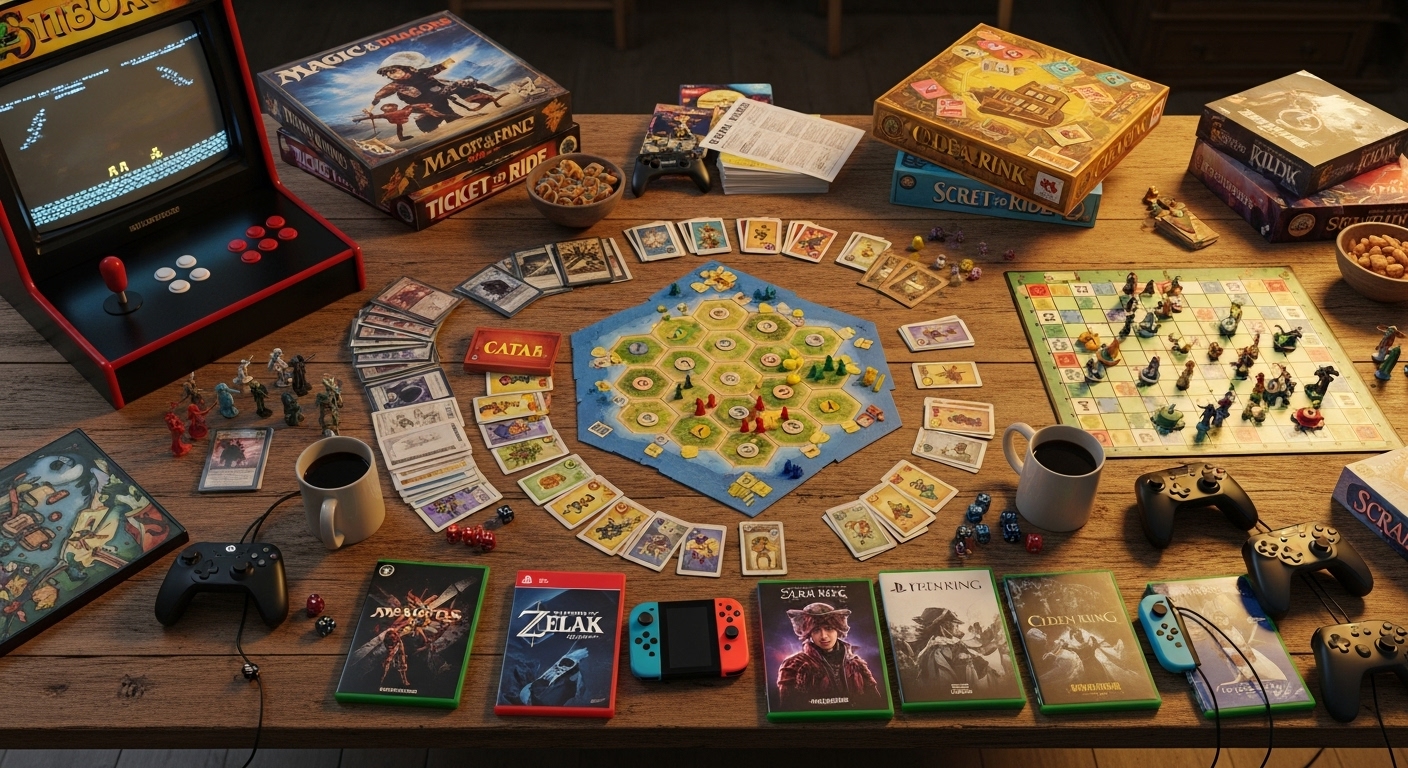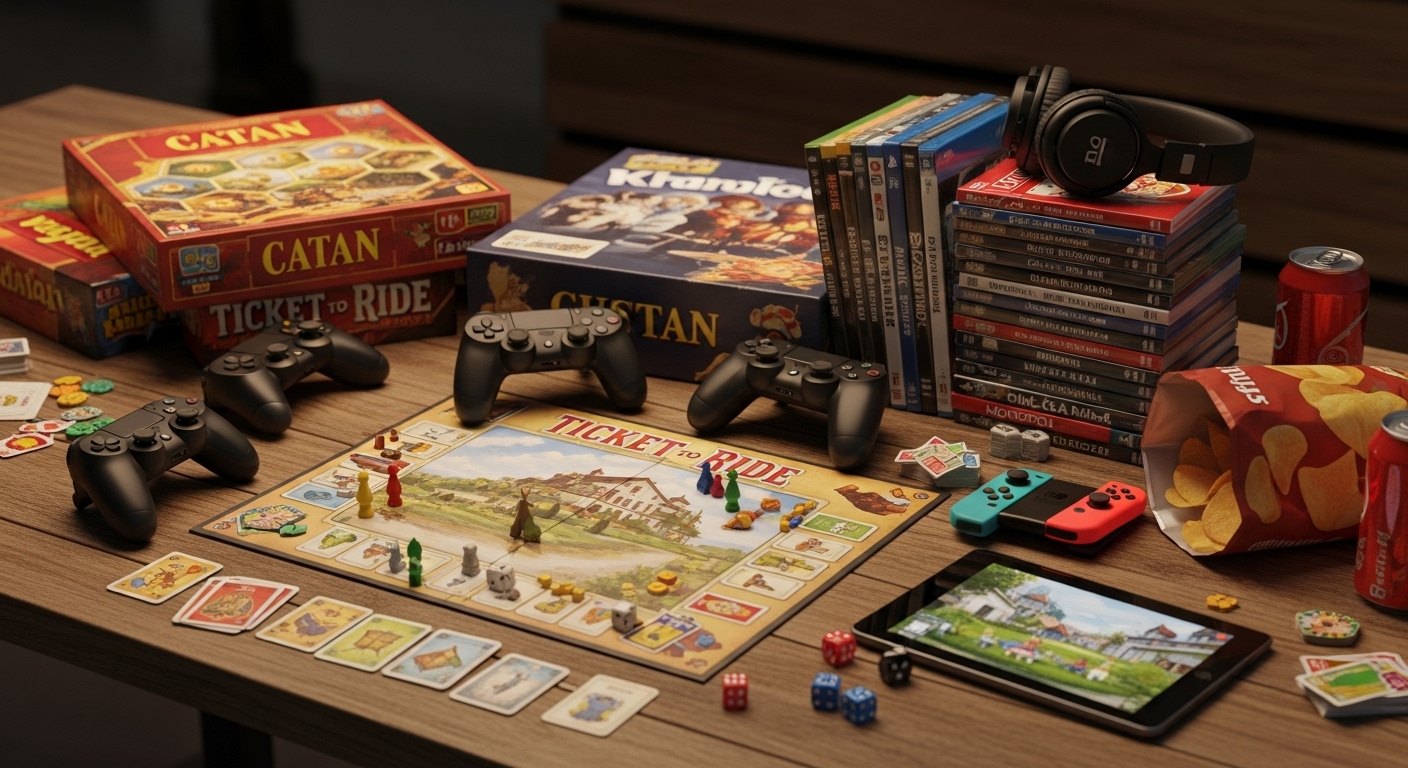
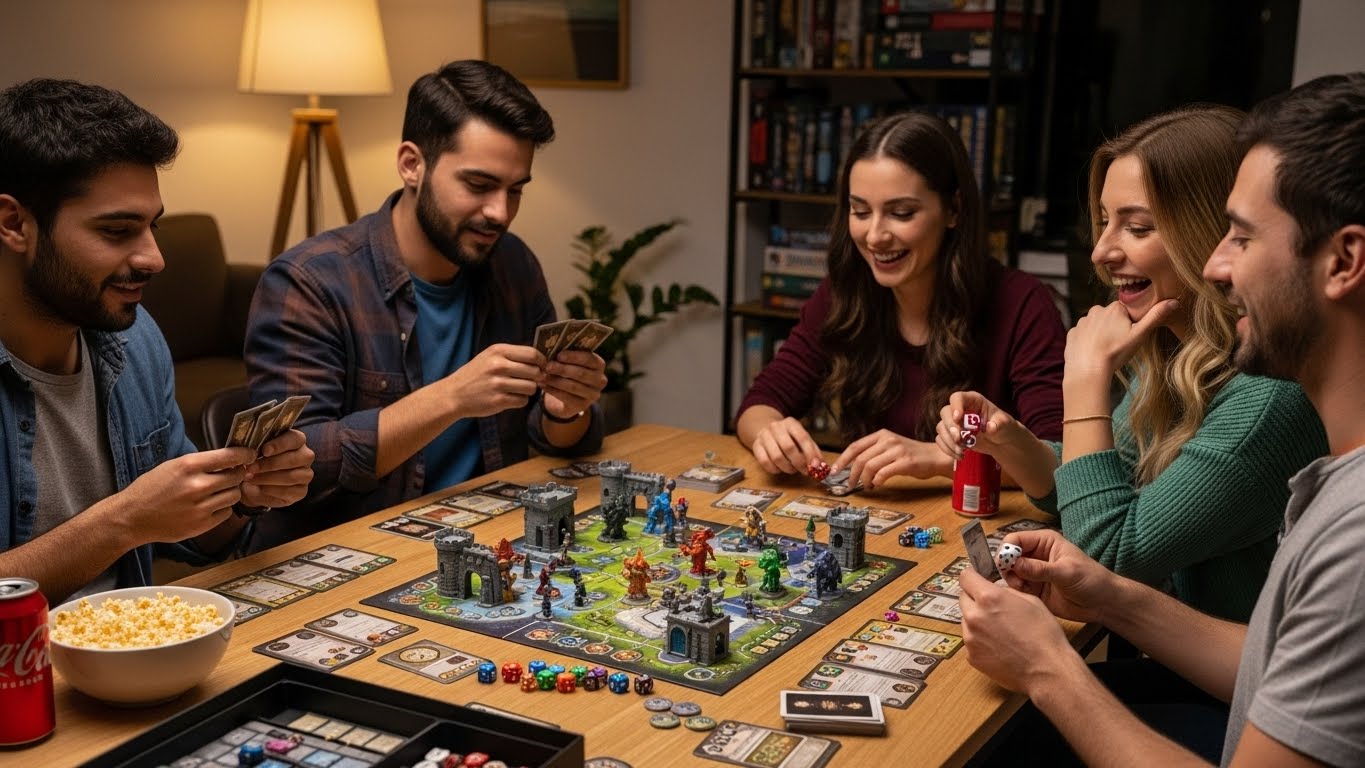
Gaming has come a long way since its humble beginnings in arcades and basements. What was once a niche hobby is now a multi-billion-dollar industry that spans multiple platforms, genres, and communities worldwide. Whether you’re a casual mobile gamer or a competitive eSports athlete, the world of gaming offers a vast and ever-evolving landscape. In this blog post, we’ll explore the evolution of gaming, its cultural impact, the rise of online communities, and what the future holds for gamers.
The Birth of Gaming: The First Pixelated Adventures
Gaming’s journey began in the early 1970s, during a time when computers were still a novelty and video games were viewed as a technological curiosity. The first commercially successful video game, Pong, released in 1972 by Atari, marked the beginning of what would become a global gaming revolution. It was simple: a two-dimensional simulation of ping-pong, but it was fun and addictive—qualities that would become staples of the gaming experience.
As technology progressed, so did the complexity of the games. The late 1970s and early 1980s saw the rise of iconic arcade games like Space Invaders, Pac-Man, and Donkey Kong. These games had a simple yet captivating charm that drew players into arcade halls and shopping centers. The 8-bit graphics and synthesized soundtracks were a far cry from today’s lifelike graphics, but they were revolutionary at the time.
The Home Console Era: The Revolution of Gaming at Home
While arcades were thriving, the 1980s also saw the birth of the home console market. The Atari 2600, released in 1977, was one of the first gaming consoles to bring the arcade experience to the living room. The system’s popularity paved the way for future consoles, but it also faced challenges. A video game crash in 1983—largely due to oversaturation of the market and poorly made games—nearly killed the industry.
However, the industry bounced back in spectacular fashion with the release of the Nintendo Entertainment System (NES) in 1985. Nintendo’s success came from both the quality of its games (like Super Mario Bros., The Legend of Zelda, and Metroid) and its ability to create franchises that resonated with players. The NES was followed by the Sega Genesis and Super Nintendo Entertainment System (SNES), and soon, a battle for dominance between gaming giants emerged, which would continue for decades.
The success of home consoles laid the foundation for the explosion of gaming as a mainstream form of entertainment. These consoles were not just about playing games; they became cultural icons. Gaming was no longer an isolated experience confined to arcades or bedrooms; it became a shared experience among friends and family.
The Rise of 3D Gaming: A Leap into the Future
The 1990s were a transformative decade for gaming. It was the era when 3D gaming started to take shape, changing the entire landscape of how games were created and experienced. With the advent of powerful gaming consoles like the Sony PlayStation, Sega Saturn, and Nintendo 64, developers were able to create vast, three-dimensional worlds that players could explore.
Super Mario 64, released in 1996 for the Nintendo 64, is often considered one of the most influential games in history due to its groundbreaking use of 3D graphics. It introduced players to a whole new dimension of gameplay, where movement was no longer restricted to a two-dimensional plane. The PlayStation also brought titles like Final Fantasy VII and Metal Gear Solid, which pushed the boundaries of storytelling and gameplay.
The success of these 3D consoles marked the end of the 2D era and ushered in a new age of immersive, open-world games. As technology improved, game worlds became larger, richer, and more detailed, offering players more freedom and creativity than ever before.
The Internet Revolution: Online Multiplayer and Connectivity
As the 21st century dawned, the internet began to transform nearly every facet of society—and gaming was no exception. While local multiplayer had been a staple of gaming for years, online multiplayer introduced a new level of connection and competition.
Games like Quake, Diablo II, and StarCraft allowed players to connect over the internet, forming communities and participating in real-time matches against people from all over the world. However, it wasn’t until the release of Halo 2 in 2004 and the rise of services like Xbox Live that online gaming became a mainstream activity. Players could now join massive multiplayer games at any time, connecting with friends or strangers across the globe.
The launch of World of Warcraft in 2004 was another landmark moment in gaming history. This massively multiplayer online role-playing game (MMORPG) created an entirely new world for players to inhabit. In WoW, players could engage in epic quests, form guilds, and compete for dominance on the global stage. The game’s success demonstrated the potential for online gaming to create rich, persistent worlds where players could form lasting bonds.
Online gaming also gave rise to eSports, a global phenomenon where professional gamers compete for large prize pools in games like League of Legends, Dota 2, and Counter-Strike. Today, eSports events fill arenas and attract millions of viewers online, rivaling traditional sports in both popularity and cultural significance.
The Mobile Gaming Boom: Gaming Anywhere, Anytime
While home consoles and PC gaming dominated the early 2000s, the rise of smartphones brought about a new era of mobile gaming. With millions of people carrying powerful computers in their pockets, it was only a matter of time before mobile gaming exploded.
Games like Angry Birds, Candy Crush, and Clash of Clans became global sensations, reaching audiences that were never before targeted by traditional gaming companies. These games were often simple, accessible, and free-to-play, allowing anyone with a smartphone to jump into the world of gaming.
Mobile gaming has evolved into a massive industry, generating more revenue than console and PC gaming combined. The success of mobile games has also introduced new monetization strategies, including microtransactions, which allow players to purchase in-game items and cosmetic upgrades. While these practices have been controversial, they have also allowed developers to offer games at little to no upfront cost, democratizing access to gaming.
Virtual Reality (VR) and Augmented Reality (AR): The Future of Gaming
As gaming technology continues to evolve, virtual reality and augmented reality are poised to take gaming to new heights. VR offers players an entirely immersive experience, placing them inside virtual worlds where they can interact with their surroundings and objects as if they were real. Games like Beat Saber, Half-Life: Alyx, and The Walking Dead: Saints & Sinners have shown the immense potential of VR gaming, allowing players to not just see but also feel and move within the game world.
While VR technology is still in its early stages, it has already proven to be a game-changer for many players. With more affordable headsets like the Oculus Quest, VR is becoming more accessible to the masses. As hardware continues to improve and developers create more sophisticated experiences, VR gaming has the potential to redefine what it means to “play” a game.
Meanwhile, augmented reality (AR) has introduced a new layer of interactivity, blending the real world with virtual elements. The massive success of Pokémon GO demonstrated how AR could make gaming an outdoor, social activity. Players used their smartphones to find and catch Pokémon in the real world, creating a truly interactive and communal experience. As AR technology continues to evolve, we can expect even more groundbreaking games that combine the physical and digital worlds.
The Cultural Impact of Gaming: A New Form of Art and Expression
Gaming is no longer just a pastime; it has become a powerful form of art and cultural expression. Video games are now seen as an art form, with compelling narratives, complex characters, and intricate worlds that rival those of films and literature. Titles like The Last of Us, Red Dead Redemption 2, and The Witcher 3 offer cinematic experiences with emotionally charged stories, deep character development, and moral dilemmas that make players question their actions and decisions.
Gaming also provides a platform for diverse voices and storytelling. Games like Celeste and Life is Strange tackle themes of mental health, LGBTQ+ issues, and social justice, allowing players to experience stories and perspectives that may be outside their own lives. The ability to tell personal, relatable stories through gameplay adds another layer to gaming’s potential as a tool for social change and empathy.
Moreover, gaming has created an entirely new industry of content creators, influencers, and streamers. Platforms like Twitch and YouTube have allowed gamers to share their experiences, connect with fans, and turn their passion for games into full-time careers. The rise of “Let’s Play” videos and live streaming has brought gaming into the mainstream in ways that were unimaginable just a decade ago.
Conclusion: The Ever-Expanding Universe of Gaming
From its early days as an arcade novelty to the immersive, socially connected experiences we have today, gaming has transformed into a global cultural force. It continues to push the boundaries of technology, art, and storytelling, offering players new worlds to explore, new challenges to overcome, and new ways to connect with others.
Looking ahead, the future of gaming seems limitless. With advancements in VR, AR, artificial intelligence, and cloud gaming, the next generation of gamers will have access to experiences that we can only dream of today. Whether it’s exploring distant planets, solving intricate puzzles, or competing in massive online worlds, gaming will remain one of the most exciting and dynamic forms of entertainment for generations to come.