Introduction: Why Games Matter
Games have been an integral part of human life for centuries. From ancient board games to modern digital experiences, games are more than a form of entertainment; they are a reflection of culture, creativity, and social interaction. People play games to challenge themselves, connect with others, and explore new worlds. Games allow individuals to test their strategic thinking, problem-solving abilities, and even social skills. In the digital era, the concept of games has expanded dramatically, encompassing video games, mobile games, board games, sports simulations, and virtual reality experiences. Understanding the world of games provides insight into why they continue to captivate people of all ages around the globe.
The History of Games
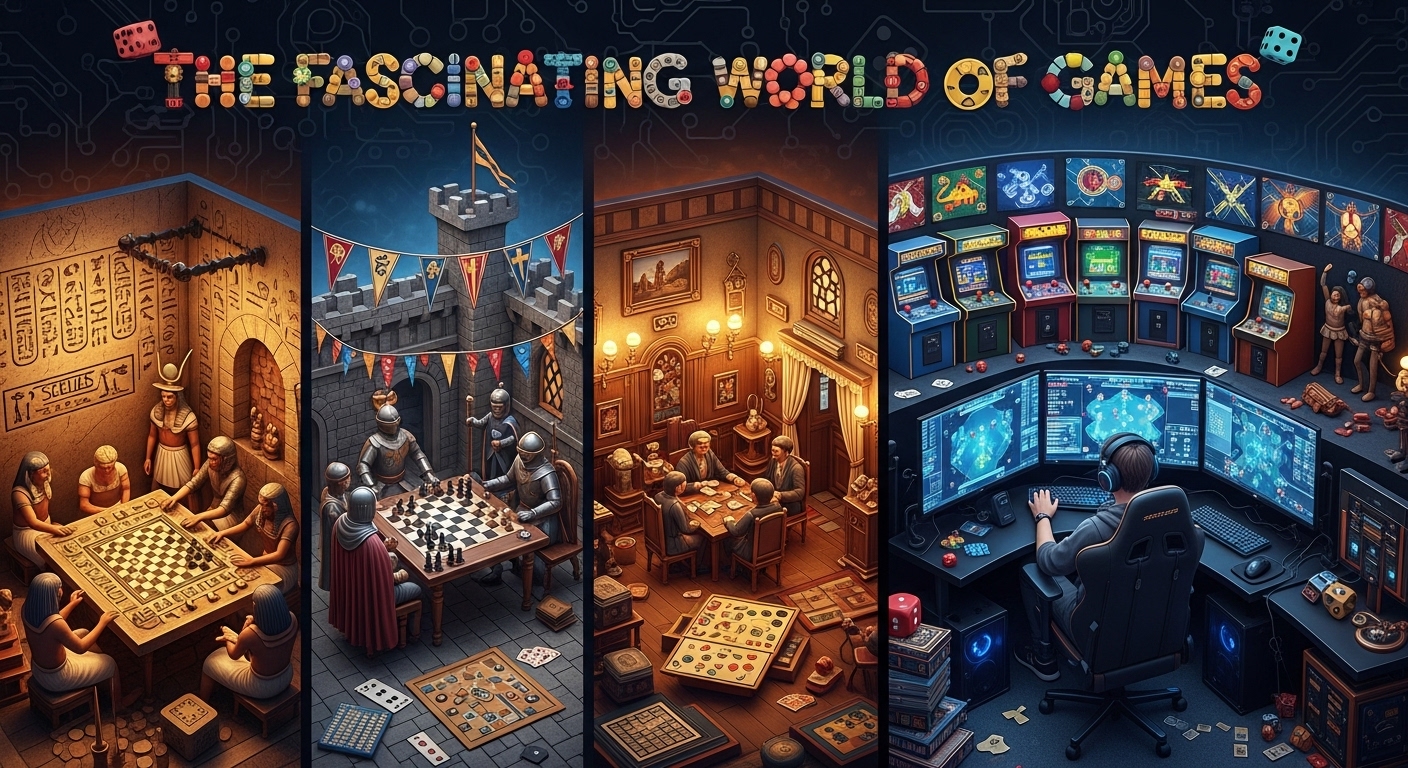
The origins of games can be traced back to ancient civilizations. Archaeologists have found evidence of board games played in Egypt, Mesopotamia, and China thousands of years ago. These games often combined elements of strategy, chance, and storytelling. In medieval Europe, games such as chess and card games became popular, emphasizing strategic thinking and social interaction.
With the invention of the printing press, printed games and puzzles became accessible to a wider audience. In the 20th century, the rise of video games transformed the gaming landscape, introducing interactive digital experiences. From arcade machines to home consoles, games evolved into immersive worlds where players could engage in narratives, adventures, and competitive play. Each phase of gaming history reflects technological advancement, societal interests, and the human desire for play.
The Different Types of Games
Games come in many forms, each offering unique experiences and challenges. Board games such as chess, Monopoly, and Settlers of Catan encourage strategy, planning, and social interaction. They are timeless classics that bring people together and promote critical thinking.
Card games like poker, bridge, and collectible card games combine luck, skill, and psychology. Video games have become the most popular form of modern entertainment, with genres ranging from action and adventure to role-playing, simulation, sports, and strategy. Mobile games offer convenience and accessibility, allowing players to engage in quick, casual play anywhere and anytime. Sports and physical games continue to promote teamwork, coordination, and physical fitness. The diversity of games ensures there is something for everyone, catering to different interests, skill levels, and social settings.
Video Games and Digital Innovation
Video games represent one of the most technologically advanced forms of play. Early games were simple, pixelated, and often limited in scope. Modern video games, however, feature stunning graphics, realistic physics, and complex storylines that rival those of films.
Technology has transformed gaming into a global industry. Artificial intelligence allows for smarter non-player characters, dynamic environments, and personalized challenges. Multiplayer online platforms enable players to connect with friends and strangers worldwide, fostering communities and cooperative gameplay. Virtual reality and augmented reality bring immersive experiences, allowing players to step inside digital worlds. Digital innovation continues to redefine what games can offer, making them more interactive, engaging, and socially connected.
Games as a Social Experience
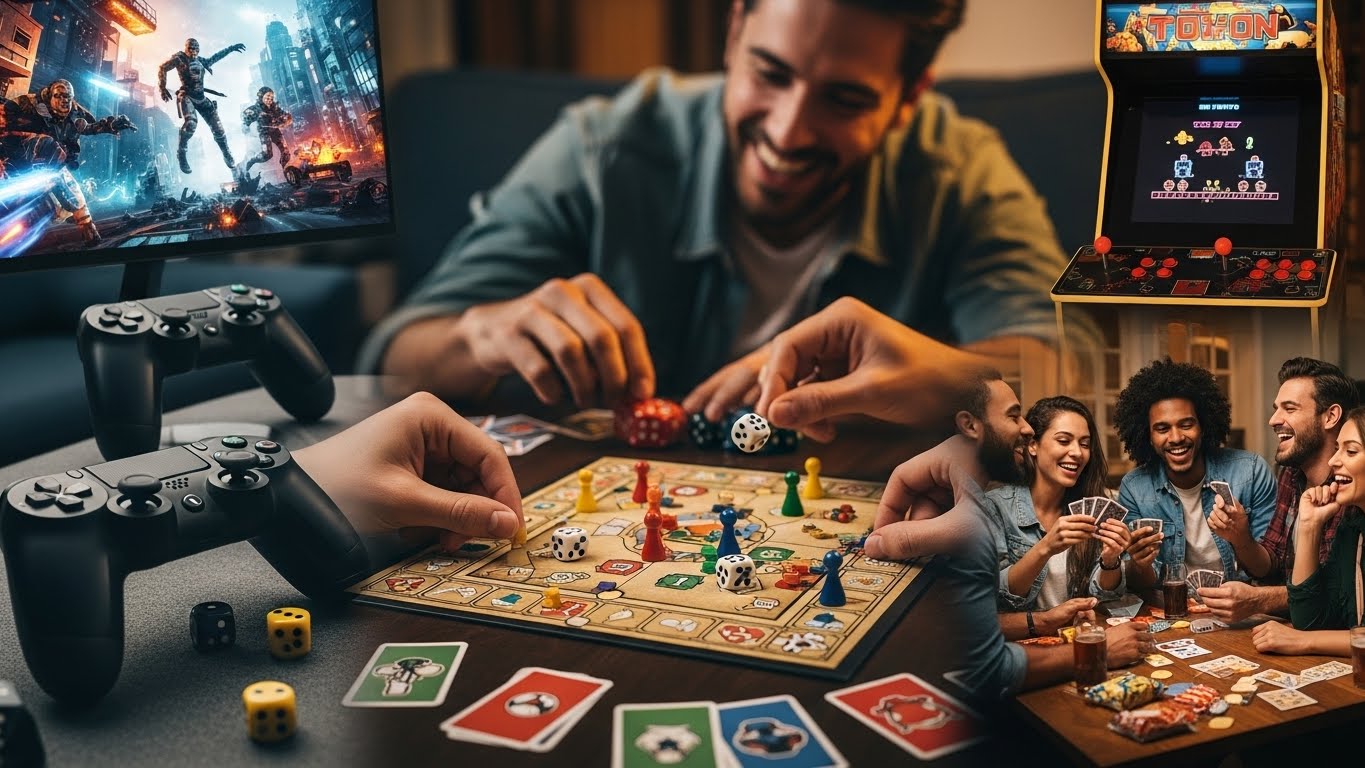
Contrary to the stereotype of solitary gaming, many games are deeply social experiences. Online multiplayer games, cooperative board games, and team-based sports create opportunities for communication, collaboration, and friendly competition. Gaming communities often extend beyond the game itself, with forums, social media groups, and fan content connecting players globally.
Local gaming sessions, family game nights, and tournaments strengthen relationships and create shared memories. Games allow people to bond over challenges, achievements, and storytelling, fostering social cohesion. In many cases, the social aspect of gaming is as rewarding as the gameplay itself.
The Cognitive Benefits of Gaming
Games are more than fun; they offer significant cognitive benefits. Strategy games, puzzles, and role-playing games encourage critical thinking, problem-solving, and decision-making. Players learn to plan ahead, adapt to changing circumstances, and anticipate opponents’ moves.
Action and simulation games can improve hand-eye coordination, reflexes, and spatial awareness. Social and cooperative games develop communication, teamwork, and leadership skills. Educational games, in particular, combine learning with play, making subjects like math, science, and language more engaging. Gaming can also enhance creativity, imagination, and emotional resilience, demonstrating that games contribute to personal growth as well as entertainment.
The Cultural Impact of Games
Games are not just recreational; they are cultural artifacts that reflect and shape society. Video game characters, narratives, and aesthetics influence art, music, fashion, and literature. Iconic games have inspired films, television shows, and merchandise, becoming part of global pop culture.
Gaming communities foster creativity, collaboration, and innovation. Players share fan art, mod games, and create content inspired by their favorite titles. Games also explore social, political, and ethical themes, providing a medium through which complex ideas can be explored in engaging and interactive ways. The cultural impact of games demonstrates their importance beyond mere leisure, highlighting their role in shaping ideas and experiences.
Competitive Gaming and Esports
The rise of esports has transformed gaming into a professional and spectator-driven activity. Esports tournaments feature professional players competing in games such as League of Legends, Dota 2, and Fortnite, attracting millions of viewers worldwide. Competitors train rigorously, studying strategies, honing reflexes, and developing teamwork skills.
Esports has created new career opportunities, including streaming, coaching, event management, and content creation. Professional tournaments generate substantial revenue and cultivate large fan communities, making competitive gaming a mainstream entertainment phenomenon. The rise of esports underscores the evolution of games from casual pastimes to professional pursuits with global influence.
Mobile Gaming and Accessibility
Mobile gaming has democratized access to games, making entertainment available to nearly everyone with a smartphone. Casual games like puzzles, match-three challenges, and endless runners attract broad audiences and provide quick, engaging experiences.
Mobile platforms also support social connectivity, allowing players to compete with friends, share achievements, and participate in global challenges. The convenience of mobile gaming has expanded the gaming audience, introducing millions of new players to interactive entertainment. Mobile gaming demonstrates how accessibility can transform the way games are played and enjoyed.
The Future of Gaming
The future of gaming promises even more innovation and immersion. Virtual reality and augmented reality are creating fully interactive digital worlds that blur the line between reality and imagination. Artificial intelligence is making games smarter and more adaptive, providing unique experiences for each player.
Cross-platform play and cloud gaming are expanding accessibility, allowing players to connect and compete regardless of device. Educational and therapeutic games are emerging, showing that games can have meaningful social and personal impacts. Independent developers continue to introduce creative and unconventional ideas, ensuring that gaming remains a dynamic and evolving medium. The future of gaming is limitless, offering endless possibilities for exploration, creativity, and connection.
Challenges in the Gaming Industry
Despite its growth, the gaming industry faces challenges. Concerns about addiction, excessive screen time, and online harassment are significant, especially among younger players. Developers must navigate cultural sensitivities, ethical considerations, and regulatory requirements in global markets.
Maintaining creativity in a competitive and saturated market is also challenging. Players expect innovative experiences, high-quality content, and meaningful social engagement. Addressing these challenges is essential to ensure that games remain a positive, inclusive, and sustainable form of entertainment.
Conclusion: Games as a Timeless Human Experience
Games are more than leisure activities; they are a reflection of human creativity, culture, and social interaction. From ancient board games to modern digital experiences, gaming has continually evolved to meet the needs of players and society. Games entertain, challenge, educate, and connect people across the globe.
The diversity of games—from strategy and puzzles to action, simulation, and esports—ensures there is something for everyone. Gaming fosters cognitive development, social bonding, cultural expression, and even professional opportunities. As technology continues to advance, the world of games will expand even further, offering immersive experiences and innovative interactions.
Games are a timeless human experience, celebrating imagination, strategy, and connection. They are not just pastimes—they are a digital playground where creativity, skill, and community converge.