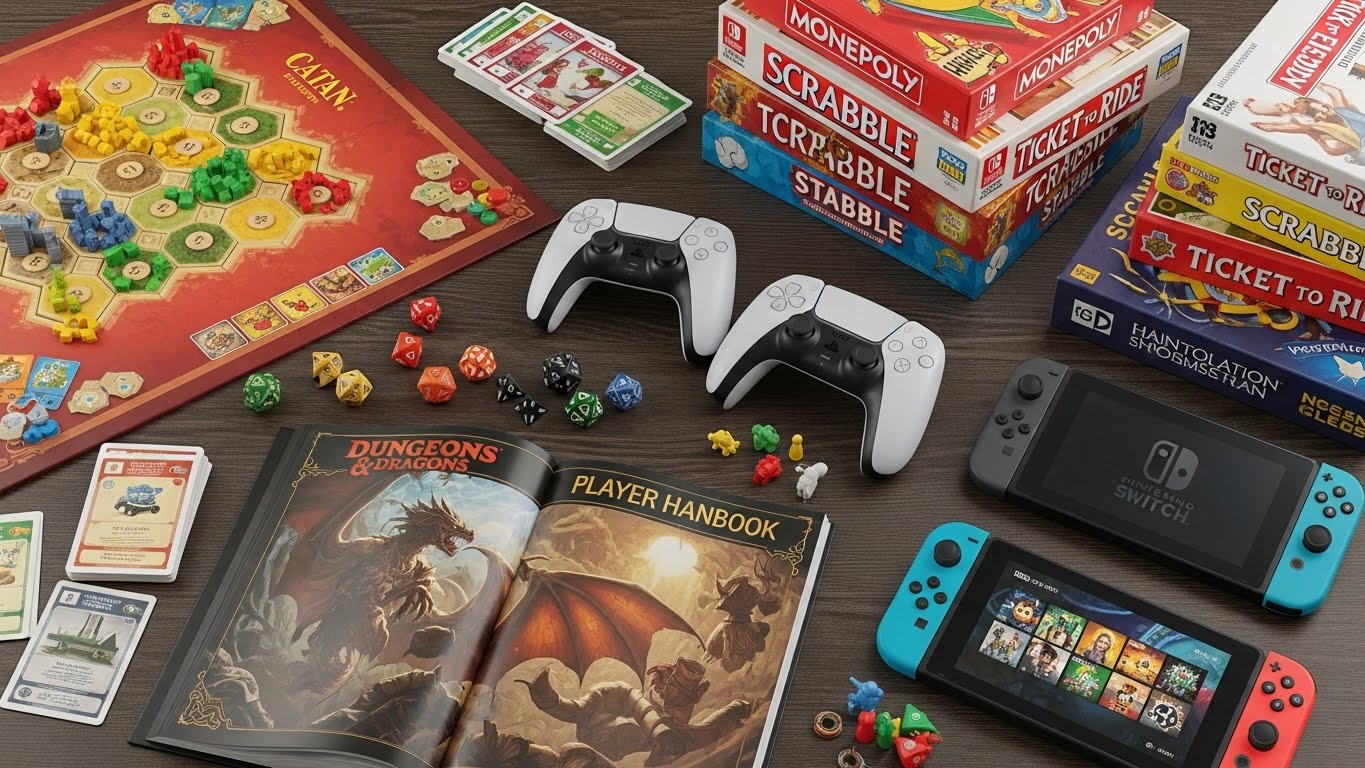
Games have been part of human life long before modern technology ever existed. From ancient board games carved into stone tablets to the vast digital universes of today, games continue to evolve, captivate, and inspire. They entertain us, connect us, challenge us, and sometimes even teach us without us realizing it. In this blog post, we will explore the many dimensions of gaming, how it has grown with society, and why its influence reaches far beyond simple entertainment.
The Timeless Appeal of Play
At the core of every game lies a simple concept: play. Humans are naturally drawn to play as a way to learn, socialize, and explore creativity. Ancient civilizations played early versions of games to sharpen strategy, celebrate rituals, or enjoy friendly competition. The appeal of play remains universal because it taps into the joy of discovery and the thrill of challenge. Whether someone prefers indoor games, outdoor adventures, or digital experiences, the essence remains the same. Games provide a temporary escape from everyday life and create a safe space for imagination to flourish.
The Rise of Digital Gaming
The modern era introduced a revolutionary shift in how people play. Video games transformed screens into limitless worlds where imagination became interactive. Early arcade machines brought communities together through brightly lit cabinets filled with beeping tones and pixelated characters. Soon after, home gaming consoles allowed families to experience this new form of entertainment without having to leave their living rooms.
As technology advanced, so did the stories, visuals, and mechanics within digital games. Today’s titles often resemble cinematic experiences, complete with complex storylines, voice acting, and immersive graphics. The digital gaming industry has grown into a massive global force, influencing culture, fashion, art, and even language. It continues to expand, shaping new generations of players and redefining what interactive entertainment can be.
Genres That Shape the Gaming Landscape
One of the most fascinating aspects of gaming is the wide variety of genres available. Each genre offers different kinds of challenges, emotions, and experiences.
Action Games
Action games keep players alert, demanding quick reflexes and fast decision-making. These games draw players into intense battles or high-speed adventures. They offer a sense of accomplishment as players progress through increasingly difficult levels.
Adventure Games
Adventure games transport players to rich story worlds full of mystery and exploration. With puzzles to solve and secrets to uncover, these games reward curiosity and patience. They often emphasize storytelling as much as gameplay.
Strategy Games
Strategy titles require thoughtful planning and analysis. Players must assess resources, anticipate dangers, and manage long-term goals. These games encourage critical thinking and foresight, making them both challenging and deeply rewarding.
Role-Playing Games
Role-playing games invite players to step into the shoes of different characters and explore vibrant worlds. They combine storytelling, character development, and personalized decision-making to create experiences that feel deeply personal.
Simulation Games
Simulation games mirror real-life activities, allowing players to experiment with scenarios ranging from farming to city-building. They give players a sense of control and creativity, often blurring the line between game and reality.
Casual and Mobile Games
Casual games offer quick, accessible fun. They are perfect for short breaks or relaxed evenings. Mobile gaming has made this genre incredibly popular, allowing players around the world to enjoy games anytime and anywhere.
The Social Side of Gaming
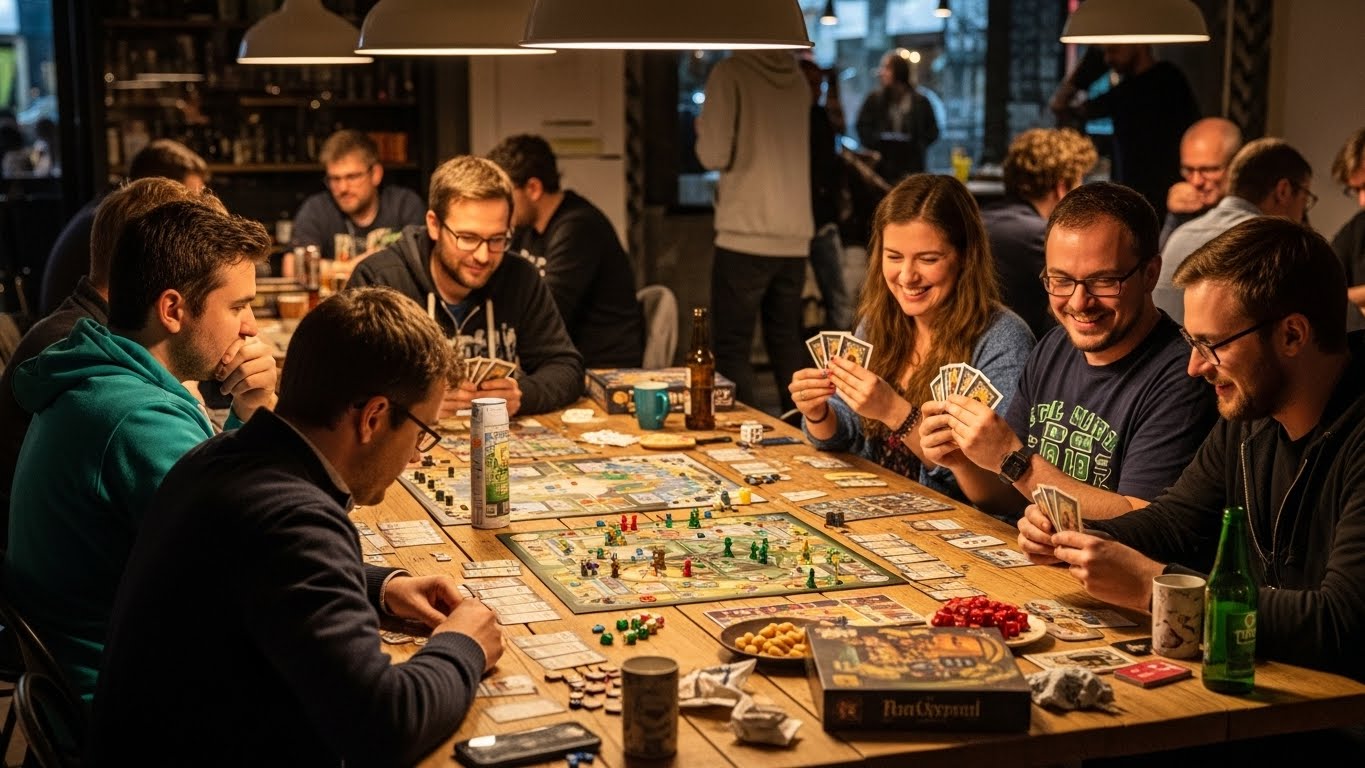
Games are no longer a solitary activity reserved for individuals sitting alone with their devices. They have become vibrant social platforms that bring people together across distances. Online multiplayer games allow players to cooperate, compete, or build friendships with people they may never meet in person.
Gaming communities often form naturally, united by shared interests, goals, and experiences. These communities highlight the social power of games, creating connections that extend beyond the screen. Some friendships formed in virtual worlds have grown into lifelong relationships.
In addition to friendship, gaming has become a professional arena. Competitive gaming, often known as esports, has transformed skilled players into global celebrities. Tournaments attract huge audiences, and players train intensely just like athletes in traditional sports. This evolution shows how seriously games are now taken in the world of competition and entertainment.
Games as Tools for Learning
Although games are often associated with fun, they also have significant educational potential. Many games improve problem-solving abilities, memory, and strategic thinking. Educational games teach languages, mathematics, history, and science through engaging activities. Unlike traditional classroom methods, games create interactive learning environments that keep learners motivated and curious.
Even mainstream games, not specifically designed for education, can teach valuable lessons. They often involve teamwork, resource management, and resilience. Facing challenges within games can help players develop confidence and perseverance that translate into real life. Teachers and parents increasingly recognize the potential of games as learning tools, integrating them into educational programs with impressive results.
The Emotional Depth of Modern Games
Modern games have evolved far beyond simple mechanics and flashy visuals. Many of today’s titles explore deep, emotional themes. They tell stories about friendship, loss, courage, and hope. By allowing players to make decisions within the narrative, games create emotional connections that other forms of media cannot fully replicate.
Players often remember powerful moments from games the same way they recall scenes from their favorite movies or books. These emotional experiences are a testament to the storytelling potential of interactive entertainment. When players become part of the story, the journey becomes even more meaningful.
The Creativity Behind Game Design
Behind every game lies a team of creative and technical minds working together to bring a vision to life. Game designers craft the rules and mechanics that shape how players interact with the world. Artists bring characters and landscapes to life through stunning visual designs. Writers weave engaging narratives. Programmers build the code that makes everything function seamlessly. Musicians and sound designers create immersive audio environments that enhance every moment of play.
Game development is a collaborative art form that blends imagination, technology, and storytelling. The industry continues to grow as developers push boundaries and experiment with new ideas. Through their creativity, games become more than entertainment. They become artistic expressions capable of leaving a lasting impact on players.
The Future of Gaming
With the rapid advancement of technology, the future of gaming looks more exciting than ever. Innovations such as virtual reality and augmented reality offer immersive experiences that blend digital worlds with physical reality. Artificial intelligence has the potential to create smarter, more dynamic game environments. Cloud gaming has made it possible to play high-quality games without powerful hardware, expanding access to players around the globe.
As gaming continues to evolve, it will shape future generations in ways we cannot yet fully predict. What remains certain is that games will keep pushing boundaries and opening new possibilities for creativity, exploration, and connection.
Why Games Matter More Than Ever
Games are more than just entertainment. They are cultural artifacts, learning tools, social platforms, and artistic masterpieces. They help people express themselves, connect with others, and experience adventures that might be impossible in the real world.
In today’s fast-paced society, games also provide valuable moments of relaxation and mental escape. Whether it is a child discovering the joy of their first board game, a teenager solving puzzles on their phone, or an adult diving into a rich digital world after a long day, games offer experiences that resonate with people of all ages.
Conclusion
The world of games is a vast and ever-expanding universe filled with endless creativity and excitement. From ancient pastimes to cutting-edge digital adventures, games continue to shape our cultures, challenge our minds, and connect our hearts. They evolve with us, adapting to new technologies and new generations, yet always staying rooted in the timeless human desire to play.
As we look toward the future, one thing remains certain: games will continue to inspire, entertain, and bring people together in ways no other form of media can. The infinite playground of gaming awaits anyone willing to explore its vibrant worlds, face its challenges, and enjoy the simple yet profound joy of play.