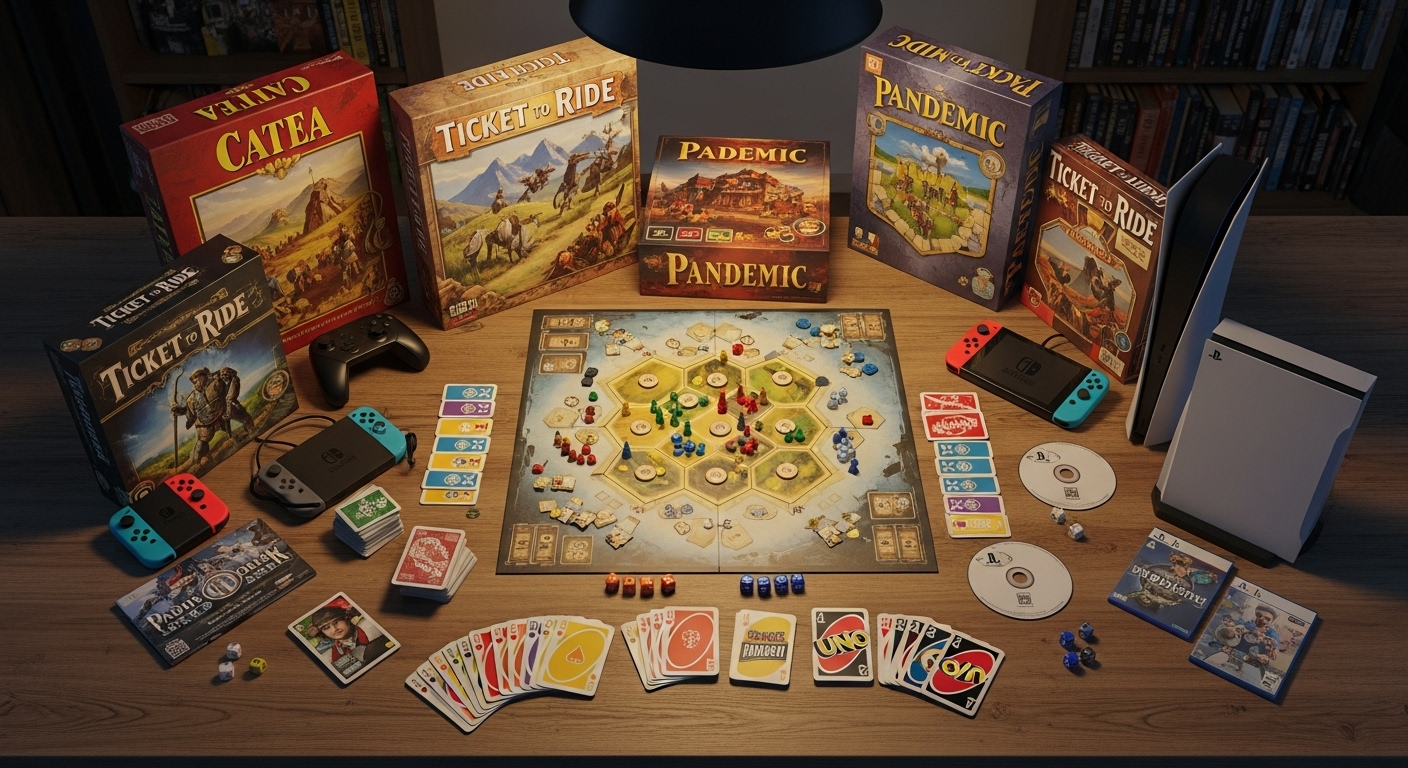

In a world where digital entertainment is woven into the fabric of daily life, games stand at the forefront of leisure and social interaction. Whether it’s through video games, board games, or even mobile apps, gaming has grown into a multifaceted industry that not only captivates players but has also become a cultural and economic force.
The evolution of games from simple pastimes to highly immersive and interactive experiences reflects broader changes in technology, society, and culture. From early card games to the rise of online multiplayer experiences, games have always served as a way for people to engage, compete, and connect with others. As we stand today, the gaming industry is worth billions of dollars and continues to innovate at a rapid pace.
In this blog post, we will explore the history, diversity, and future of games. Whether you’re a casual gamer or a seasoned enthusiast, understanding the development and impact of games can offer valuable insights into this ever-changing industry.
The Beginnings of Games: Simple Forms of Entertainment
Games have existed for thousands of years, predating even written history. Early forms of games were often social in nature, designed to bring people together and create fun or competition. Archaeological evidence points to ancient civilizations using game boards, dice, and cards, with games playing an essential role in daily life and rituals.
Early Board Games
The first recorded board game is believed to be Senet, an ancient Egyptian game dating back to 3100 BCE. It was played on a board with 30 squares and used dice-like pieces to move markers. Senet wasn’t just a pastime; it had spiritual significance, with some theories suggesting it was a ritual to ensure a safe journey to the afterlife.
Similarly, games like Go in ancient China (around 2500 BCE) and Backgammon in Mesopotamia (circa 3000 BCE) laid the foundation for many modern games. These early board games were social tools, often involving strategy, luck, and a deep sense of competition.
Card Games: A Timeless Classic
The earliest known playing cards originated in China during the Tang Dynasty (618–907 AD). They were hand-painted and made of paper or wood. By the 15th century, playing cards spread across Europe and evolved into the standard deck of 52 cards we use today. Games like Poker, Bridge, and Blackjack emerged during this period and became hugely popular in Western culture.
Card games transcended cultural boundaries and were embraced by people from all walks of life. They became tools of social interaction and ways to test skill, luck, and strategy—elements that still define many of today’s most popular games.
The Rise of Video Games: A New Digital Frontier
The mid-20th century marked the dawn of a new era in gaming—the digital age. With the invention of computers and video consoles, games began to shift from physical boards and cards to interactive, digital experiences. This transition led to the creation of entirely new genres, experiences, and gaming cultures.
The Birth of Video Games
The very first video game, Tennis for Two, was created by physicist William Higinbotham in 1958, using an oscilloscope screen. This simple tennis simulation was played by two people with controllers. However, the game that set the foundation for the video gaming industry was Pong, created by Atari founder Nolan Bushnell in 1972. Pong’s success marked the beginning of the arcade gaming boom and the birth of an industry.
As technology advanced, home consoles such as the Atari 2600 (1977), the Nintendo Entertainment System (NES) (1985), and the Sega Genesis (1988) brought video gaming into living rooms worldwide. These consoles provided a gateway to expansive digital worlds, bringing iconic titles like Super Mario Bros., Pac-Man, and Sonic the Hedgehog into the hearts of players everywhere.
The Expansion of Genres
The 1990s saw the explosion of different gaming genres, from first-person shooters (FPS) like Doom and Quake to role-playing games (RPGs) like Final Fantasy VII and The Legend of Zelda: Ocarina of Time. Gaming platforms became more sophisticated, offering immersive worlds with better graphics, sound, and interactivity. The emergence of 3D graphics in the mid-90s led to groundbreaking titles like Super Mario 64 and Tomb Raider.
The evolution of gaming in the 21st century has introduced even more genres and unique gaming experiences. From battle royale games like Fortnite and PUBG to narrative-driven games like The Last of Us and Red Dead Redemption 2, today’s games cover a broad spectrum of themes and experiences. Online multiplayer games and massively multiplayer online games (MMOs) such as World of Warcraft have transformed gaming into a global community activity.
Mobile Gaming: The New Age of Convenience
In recent years, mobile gaming has emerged as one of the most significant forces in the gaming industry. Thanks to smartphones and tablets, games are now accessible to anyone, anytime, anywhere. Mobile games have proven to be highly addictive, offering a broad range of experiences from puzzle games to battle royales, attracting both casual players and hardcore fans.
The Growth of Mobile Games
The launch of Angry Birds in 2009 marked a turning point in mobile gaming. It was easy to play, incredibly addictive, and reached a broad audience beyond traditional gamers. Other titles, such as Candy Crush Saga, Clash of Clans, and Pokémon GO, followed suit, bringing mobile games to the forefront of global entertainment.
One of the key advantages of mobile games is their accessibility. Many games are free-to-play with optional in-app purchases, making them easy for anyone to try without a financial commitment. This has led to a huge market of mobile gamers, particularly among younger generations, who enjoy the convenience of gaming while commuting or during short breaks.
Online Gaming and eSports: Competitive and Social Gaming
Another revolution in the gaming landscape is the rise of online gaming and eSports (electronic sports). These platforms allow players to compete against others worldwide in real-time, turning gaming into a competitive sport.
The Social Aspect of Online Gaming
One of the most profound changes in gaming has been the transition from solitary experiences to social, multiplayer environments. Games like League of Legends, Call of Duty, and Minecraft have built massive communities where players can connect, form teams, and compete with others. These multiplayer games have fostered friendships, rivalries, and professional networks, transforming gaming into a social activity on a global scale.
eSports: A New Form of Entertainment
eSports, competitive gaming at the professional level, has exploded in popularity over the last decade. Major eSports tournaments such as the Dota 2 International and League of Legends World Championship now offer multi-million-dollar prizes and attract millions of viewers worldwide. Professional players and teams have become celebrities, with sponsorships, merchandising, and streaming platforms like Twitch providing a new avenue for fans to engage with their favorite players.
The rise of eSports has also led to the development of college and university eSports programs, with schools offering scholarships to talented players. eSports is now considered a legitimate career path, with professional leagues, tournaments, and even broadcasting contracts. What was once a hobby has now become a viable and profitable profession.
Virtual Reality (VR) and Augmented Reality (AR): The Future of Gaming
Looking ahead, the future of gaming appears to be driven by innovations like virtual reality (VR) and augmented reality (AR), technologies that promise to transform the way we experience digital entertainment.
Virtual Reality Gaming
Virtual reality is an immersive technology that allows players to step into 3D worlds and interact with them using specialized headsets and controllers. VR has the potential to change the gaming experience completely, offering unprecedented immersion. Games like Half-Life: Alyx and Beat Saber showcase the potential of VR gaming, offering rich environments and interactive gameplay that draws players into entirely new worlds.
While VR technology is still developing, the growing availability of affordable VR headsets and the success of VR platforms like Oculus Rift and PlayStation VR indicate that virtual reality could play a major role in the future of gaming.
Augmented Reality Gaming
Augmented reality, on the other hand, overlays digital elements onto the real world. The biggest success story for AR in gaming is Pokémon GO, which encourages players to interact with the world around them while capturing virtual Pokémon. AR has the potential to blend physical and digital worlds, offering new types of gaming experiences that can be played in public spaces or at home.
The Social and Cultural Impact of Games
Games have grown into more than just entertainment; they’ve become cultural touchstones. Games like Super Mario, Minecraft, and Fortnite have transcended their origins to become integral parts of pop culture. Characters like Mario and Sonic are as iconic as any Hollywood figure, and gaming terms like “level up” and “noob” have entered everyday language.
Moreover, games have become a platform for storytelling. Titles like The Witcher 3, The Last of Us, and Mass Effect offer complex narratives that rival those of films and television. They have allowed players to explore intricate worlds, shape their own destinies, and experience diverse perspectives.
The Positive and Negative Aspects of Gaming
While games provide countless benefits—such as stress relief, social connection, and cognitive development—they are not without their challenges. Issues such as addiction, toxic behavior in online communities, and concerns about the portrayal of violence in games continue to spark debate. As games continue to evolve, it will be important to balance innovation with responsibility