Games have been a fundamental part of human life for centuries, evolving from simple recreational activities to complex digital experiences that captivate millions worldwide. From board games and puzzles to video games and competitive esports, games serve as entertainment, education, social connection, and a platform for creativity. This blog post explores the history of games, their cultural significance, technological evolution, psychological impact, and the exciting future of gaming.
The Origins of Games
The history of games dates back thousands of years. Ancient civilizations used games for leisure, education, and strategic training. Board games like Senet in Egypt, Go in China, and Chess in India not only entertained but also fostered critical thinking, strategy, and problem-solving skills. These games reflected the societies in which they developed, incorporating cultural values and traditions.
Physical games and sports also played a crucial role in early societies. Activities such as wrestling, archery, and running helped develop strength, coordination, and social skills. These early games laid the foundation for both recreational and competitive play, showing that games have always been an integral part of human development.
Games as Entertainment
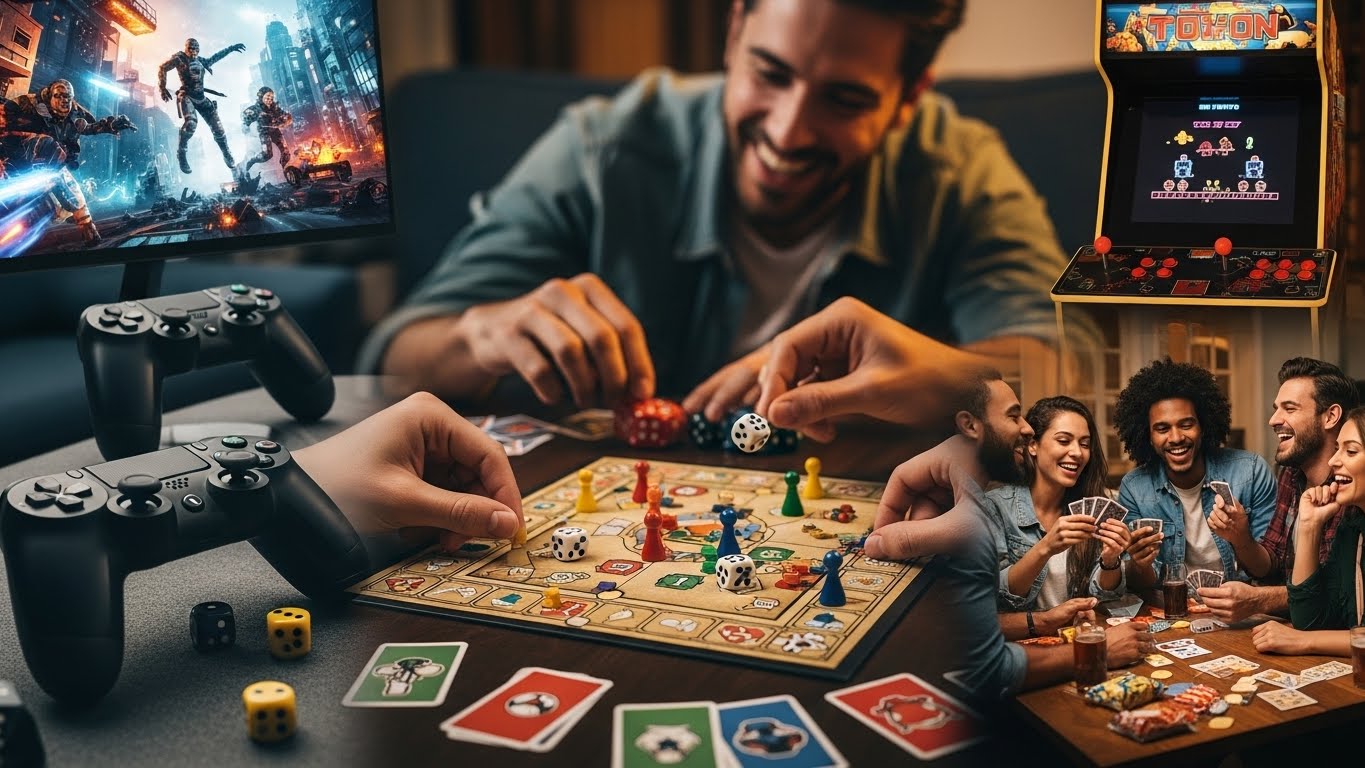
Games are one of the most dynamic forms of entertainment. They allow individuals to engage actively, challenge themselves, and experience immersive worlds. Unlike passive forms of entertainment, games require participation, decision-making, and strategy, creating unique experiences for each player.
Modern video games provide rich narratives, realistic graphics, and interactive gameplay. Whether exploring fantasy realms, solving complex puzzles, or competing in high-speed racing, players are drawn into engaging experiences that captivate their imagination. Games provide both fun and intellectual stimulation, making them a versatile form of entertainment for all ages.
The Rise of Video Games
The 1970s marked the beginning of the video game revolution with titles like Pong and Space Invaders. These early games were simple yet groundbreaking, capturing public interest and establishing the foundation for a rapidly growing industry.
In the 1980s and 1990s, home consoles like the Nintendo Entertainment System and Sega Genesis brought gaming into households worldwide. Iconic titles such as Super Mario, Sonic the Hedgehog, and The Legend of Zelda became cultural phenomena. The introduction of personal computers and online connectivity in the 2000s expanded the gaming experience, allowing multiplayer games and global communities to thrive.
Today, video games span platforms including consoles, PCs, and mobile devices, offering diverse genres and experiences. The industry has grown into a global powerhouse, generating billions in revenue and shaping entertainment trends worldwide.
Board Games and Classic Gaming
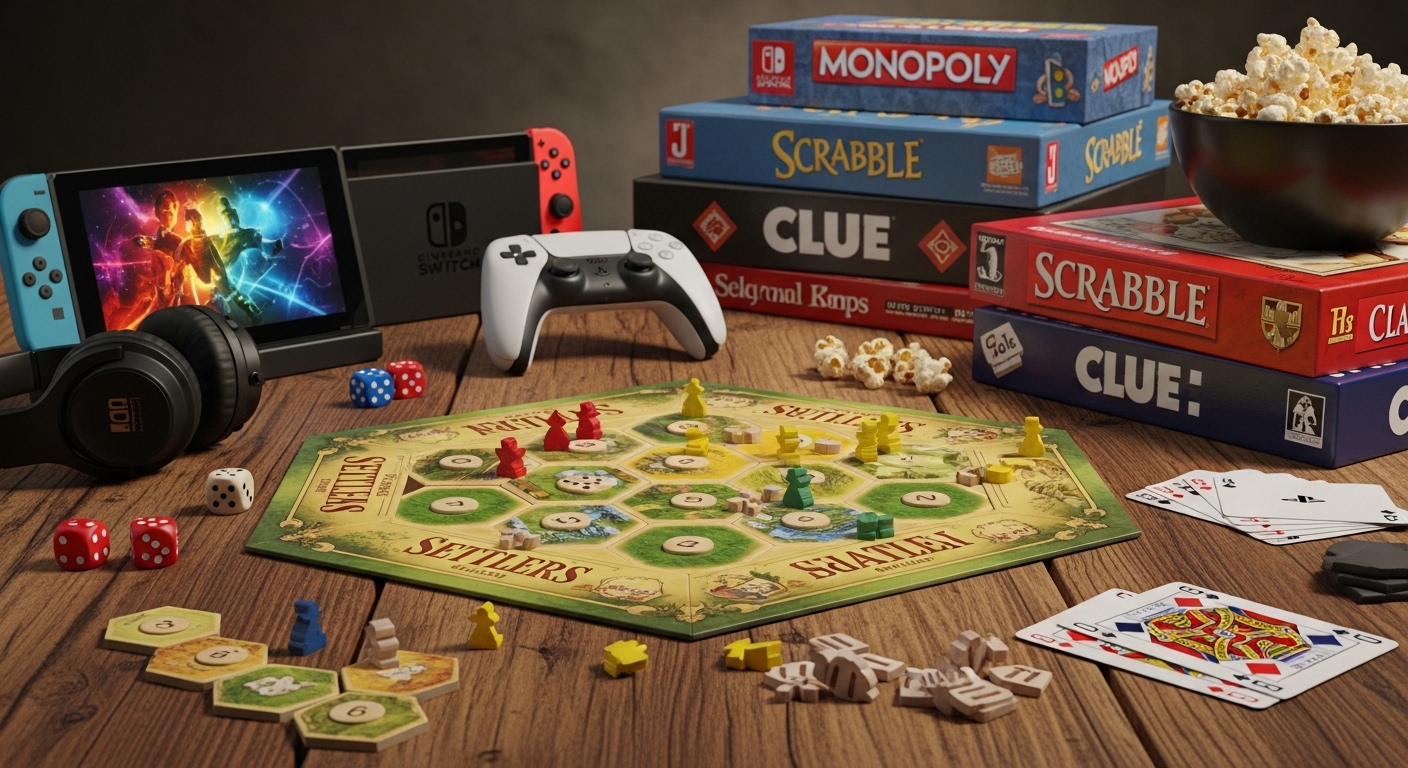
While digital games dominate the modern landscape, traditional board games and tabletop games remain popular. Chess, Monopoly, Scrabble, and modern strategy games continue to entertain while fostering critical thinking, problem-solving, and social interaction.
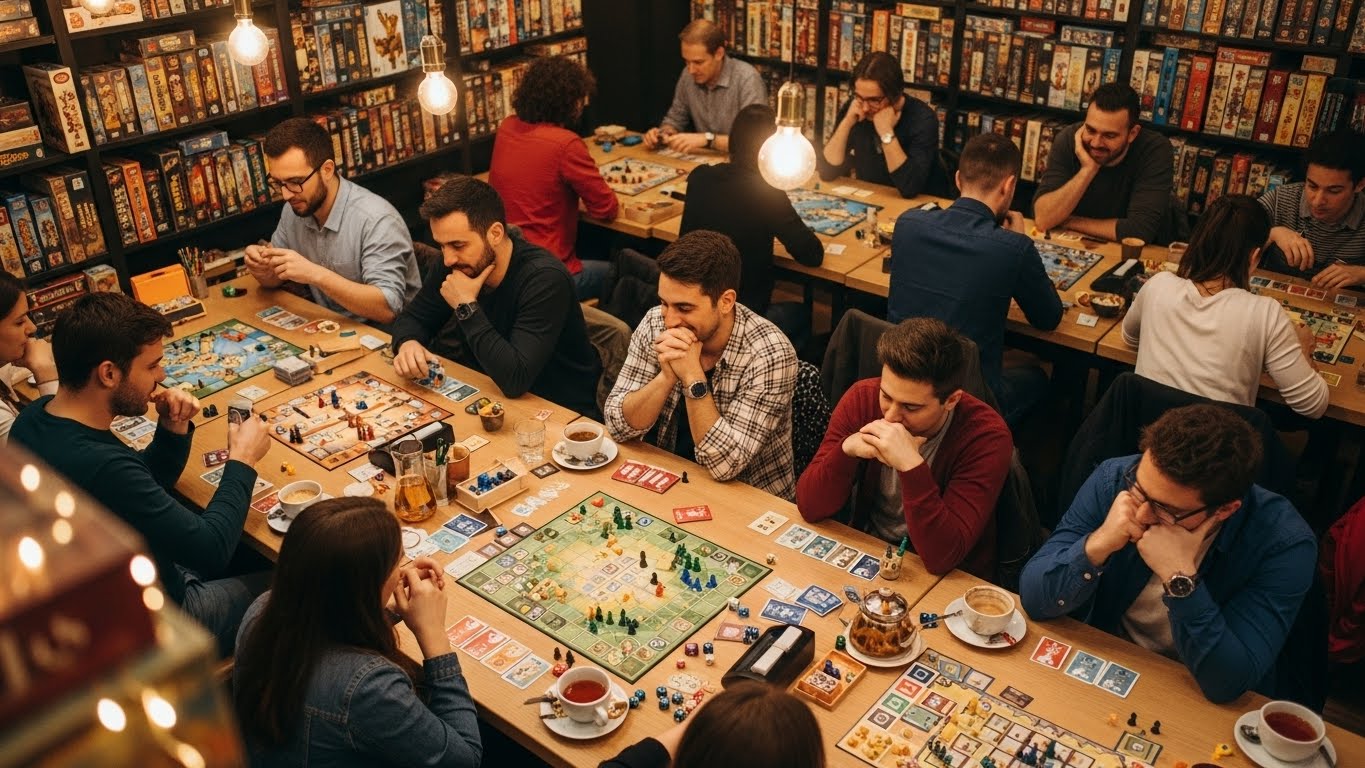
Board games provide a tactile experience that digital games cannot replicate. They encourage face-to-face interaction, collaboration, and friendly competition, making them valuable tools for social bonding. Modern tabletop games often incorporate storytelling, complex strategy, and role-playing, appealing to both casual and dedicated gamers.
The Social Impact of Games
Games are powerful tools for social interaction and community building. Multiplayer video games, online platforms, and mobile apps connect players across continents, enabling collaboration, teamwork, and competition. Friendships and communities form around shared gaming experiences, creating a sense of belonging and shared purpose.
Games also bring families and friends together, whether through cooperative gameplay, competitive matches, or casual board games. Social engagement in gaming fosters communication, problem-solving, and leadership skills, making games a valuable part of personal development.
Competitive Gaming and Esports
Esports has emerged as a major facet of the gaming world. Professional gamers compete in titles such as League of Legends, Dota 2, Fortnite, and Call of Duty, often earning significant income from tournaments, sponsorships, and streaming. Esports tournaments attract millions of viewers, rivaling traditional sports in both popularity and revenue.
The rise of esports has created an entire ecosystem, including teams, coaches, analysts, and event organizers. Players achieve celebrity status, and fans follow competitions with dedication and enthusiasm. Esports has legitimized gaming as a serious career path and highlighted its cultural and economic significance.
Technological Innovation in Gaming
Technology drives the evolution of games, enabling more immersive and interactive experiences. High-definition graphics, realistic physics engines, and artificial intelligence create dynamic gameplay environments. Virtual reality and augmented reality offer new dimensions of interaction, allowing players to immerse themselves fully in digital worlds.
Mobile technology has expanded gaming access, making it available to millions who do not own consoles or high-end PCs. Cloud gaming allows high-quality experiences without expensive hardware, while AI enhances gameplay by providing adaptive challenges and intelligent opponents. Technology ensures that gaming remains a continuously evolving and exciting form of entertainment.
Games and Cognitive Development
Playing games offers significant cognitive benefits. Puzzle-solving, strategy games, and role-playing games improve critical thinking, planning, and problem-solving skills. Multiplayer and cooperative games enhance teamwork, communication, and leadership abilities.
Games also encourage creativity and experimentation. Sandbox games, simulations, and strategy titles allow players to explore possibilities, experiment with solutions, and develop innovative approaches to challenges. Research indicates that moderate gaming can improve attention, memory, and decision-making skills, demonstrating that games are not only fun but intellectually stimulating.
Cultural Significance of Games
Games have a profound cultural impact, influencing storytelling, art, fashion, and media. Popular games inspire fan art, conventions, merchandise, and even adaptations into films and series. Gaming culture has developed its own language, communities, and social norms, shaping identity and creative expression for millions.
Games often incorporate history, mythology, and social commentary, reflecting and shaping cultural narratives. They provide spaces for experimentation, exploration, and learning, allowing players to engage with different perspectives and ideas. Gaming has become a form of artistic and cultural expression that transcends age, language, and geography.
The Future of Gaming
The future of gaming is poised for unprecedented growth and innovation. Virtual reality, augmented reality, and mixed reality will redefine immersion and interactivity. Artificial intelligence will create smarter opponents, adaptive storylines, and more engaging gameplay.
Cross-platform gaming will enable seamless experiences across devices, while cloud gaming will make high-quality games accessible to more people worldwide. Esports will continue to expand, attracting new audiences and markets, and games will increasingly explore educational and social applications.
As technology and creativity converge, the possibilities for gaming are virtually limitless. The industry will continue to evolve, shaping entertainment, culture, and human interaction in exciting ways.
Conclusion
Games are more than just entertainment—they are a reflection of human creativity, culture, and social connection. From ancient board games to modern esports and virtual worlds, games challenge the mind, foster social bonds, and provide immersive experiences.
As technology continues to advance, gaming will become even more immersive, accessible, and influential. It will shape culture, inspire creativity, and offer new opportunities for education, social interaction, and personal development. Games are not merely a pastime—they are a powerful force that enriches lives, connects communities, and drives innovation across the world.