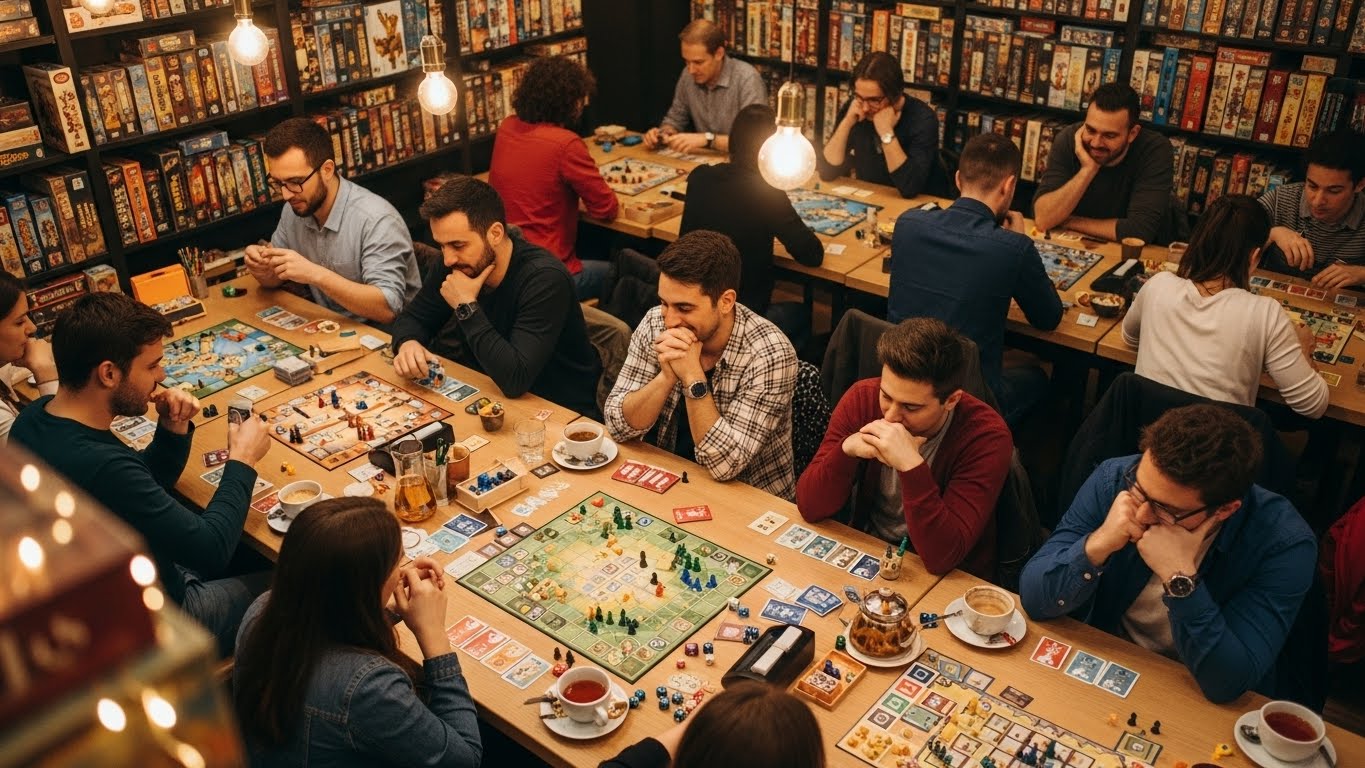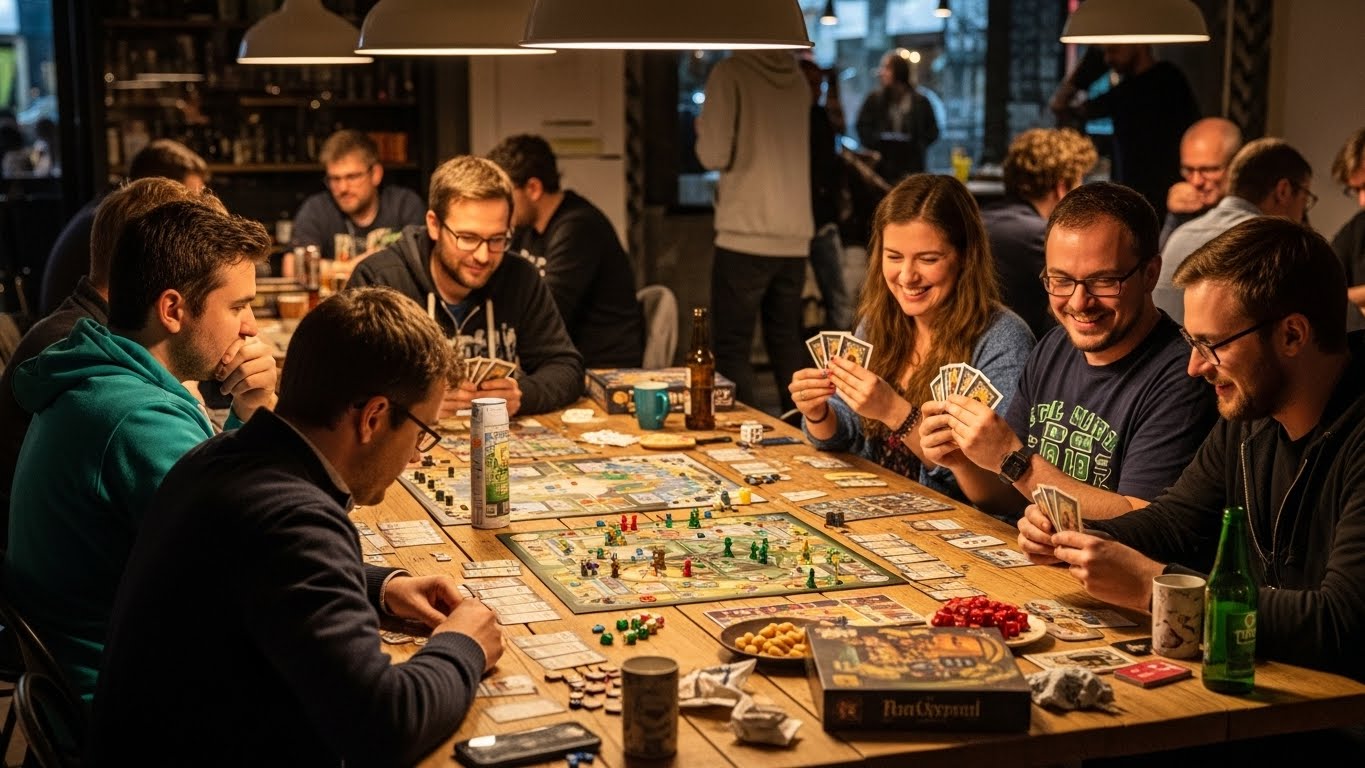

Games have always been a part of human culture. From ancient board games and simple outdoor activities to today’s highly complex digital landscapes, gaming has evolved into one of the most influential forms of entertainment. Whether you’re a casual player or a competitive esports enthusiast, the world of games is vast and varied. In this blog post, we’ll explore the history of gaming, its cultural impact, the current state of the industry, and what the future holds for this ever-evolving medium.
The Origins of Games: From Ancient Times to Early Innovation
The history of games can be traced back thousands of years. One of the earliest forms of gaming involved simple games of chance, strategy, and skill. The ancient Egyptians, Greeks, and Romans all had their own versions of board games. For example, the Egyptians played a game called “Senet,” which dates back to around 3100 BCE. The game, which involved strategy and luck, was not just a pastime but also held symbolic meaning, often associated with the journey to the afterlife.
In ancient China, the game of “Go” emerged, a strategic board game that is still played today. Go is known for its deep complexity, despite having simple rules. The game’s enduring popularity highlights its timeless appeal, proving that even in the ancient world, games were about more than just entertainment—they were about intellectual engagement and community interaction.
The evolution of games accelerated during the Industrial Revolution. With the invention of printing presses and mass production, games began to take on new forms. The creation of playing cards, for instance, provided an accessible and affordable form of entertainment for people in various social classes. In the 19th century, games like chess and checkers gained widespread popularity, with people in Europe and America regularly gathering for social competitions.
The Rise of Digital Games: From Arcade Machines to Home Consoles
While games have ancient roots, the concept of digital gaming did not take shape until the mid-20th century. The first digital games were rudimentary, often displayed on simple screens and driven by analog electronics. One of the earliest examples of digital gaming was the game “Tennis for Two,” developed in 1958 by physicist William Higinbotham. It was displayed on an oscilloscope and was a simple tennis simulation—a precursor to what would later become the popular video game genre of sports.
However, it wasn’t until the 1970s that gaming began to emerge as a commercial phenomenon. The arcade boom of the late 1970s and early 1980s was driven by games like “Pong” (1972), created by Atari’s Nolan Bushnell. “Pong,” a simple two-player table tennis simulation, became an instant success, paving the way for the development of more complex arcade games. These arcade games were not just a source of entertainment but also an essential social gathering point, where people from all walks of life interacted with each other.
The home console market arrived shortly after. In 1977, Atari released the Atari 2600, the first home video game console that allowed people to play games like “Space Invaders” and “Asteroids” in the comfort of their homes. The Atari 2600 became a major success, introducing the concept of home gaming to a global audience. Following the success of Atari, other companies like Nintendo and Sega entered the market, and the home console industry began to rapidly evolve.
By the 1990s, the gaming landscape had shifted dramatically. Video game graphics had improved, leading to more immersive and visually stunning experiences. The rise of 3D graphics, most notably with the launch of the Sony PlayStation in 1994, opened the door to a new era of gaming. This period saw the emergence of iconic franchises like “Super Mario 64,” “Final Fantasy VII,” and “The Legend of Zelda: Ocarina of Time,” which not only defined a generation of gamers but also transformed video games into a legitimate cultural and artistic medium.
The Golden Age of Online Gaming and the Advent of Esports
The 2000s marked a monumental shift in the gaming industry with the rise of online gaming. Broadband internet became widely available, and game developers began to design multiplayer experiences that connected players from around the world. This was a game-changer—literally.
The launch of games like “World of Warcraft” in 2004 revolutionized the online gaming scene. This massively multiplayer online role-playing game (MMORPG) allowed players to create avatars and explore a massive virtual world alongside thousands of other players. “World of Warcraft” became a global phenomenon, with millions of active subscribers. The game’s success proved that online communities could form around video games, and this set the stage for the rise of esports—a competitive form of gaming that would soon captivate audiences worldwide.
Esports, the organized, multiplayer video game competitions, started to gain traction in the 2000s and has since exploded in popularity. Games like “League of Legends,” “Dota 2,” “Counter-Strike: Global Offensive,” and “Fortnite” have developed massive player bases and viewer counts, with esports tournaments filling stadiums and live-streaming platforms like Twitch attracting millions of viewers. The rise of esports has transformed gaming into a spectator sport, with professional players earning substantial salaries and competing for multi-million-dollar prize pools.
In addition to esports, the rise of online platforms like Steam and Epic Games Store reshaped the way games were distributed. Digital distribution allowed smaller independent developers to bypass traditional publishers and release their games directly to consumers. This democratization of the gaming industry led to the rise of indie games, which brought fresh ideas and innovative gameplay experiences to the forefront. Titles like “Minecraft,” “Undertale,” and “Among Us” achieved critical and commercial success, proving that small teams of developers could make a massive impact.
The Social and Cultural Impact of Gaming
As games evolved, so too did their impact on society. Gaming, once considered a niche hobby for children or outcasts, has become a cultural phenomenon enjoyed by people of all ages, backgrounds, and walks of life. Video games are now a primary form of entertainment for millions of people worldwide, with games serving as a means of social interaction, competition, and artistic expression.
One of the most significant cultural shifts has been the rise of gaming communities. Online gaming has allowed players to form deep connections with others, whether through cooperative gameplay in games like “Destiny 2” or through competitive play in esports tournaments. The sense of camaraderie that forms in these digital spaces has become a central aspect of modern gaming culture.
Gaming has also broken down cultural barriers. Multiplayer online games have allowed players from all over the world to interact, collaborate, and compete. Language and distance are no longer obstacles to forming friendships and communities. For many, online gaming has become an essential part of their social lives, providing opportunities for interaction that might not have existed otherwise.
Furthermore, gaming has been recognized as an art form. Games like “The Last of Us,” “Red Dead Redemption 2,” and “Journey” have garnered critical acclaim for their storytelling, character development, and emotional depth. Video games are now seen not only as a form of entertainment but also as a medium capable of delivering powerful narratives and experiences that resonate with players on a profound level.
The Future of Gaming: Virtual Reality, AI, and Beyond
As we look to the future of gaming, the possibilities seem endless. Technology is advancing at an incredible rate, and the gaming industry is poised to benefit from innovations in virtual reality (VR), augmented reality (AR), artificial intelligence (AI), and cloud gaming.
Virtual reality, in particular, is one area where we can expect to see significant growth. While VR gaming is still in its early stages, advancements in hardware and software are making it more accessible and immersive than ever before. Companies like Oculus, Sony, and HTC are constantly improving VR headsets, offering higher-quality visuals, more precise motion tracking, and better ergonomics. As VR technology improves, we can expect gaming experiences that transport players into fully realized virtual worlds, offering experiences that are unlike anything seen before.
Artificial intelligence is another area where the gaming industry is poised for significant changes. AI has already been used in games to control non-player characters (NPCs), but as the technology advances, AI will likely become a more integral part of gameplay. Imagine playing a game where the story adapts in real-time based on your decisions, or where enemies can learn from your tactics and respond accordingly. AI has the potential to create much more dynamic and engaging gaming experiences.
Cloud gaming is also on the rise, with services like Google Stadia, Xbox Cloud Gaming, and NVIDIA GeForce Now offering players the ability to stream games without the need for expensive hardware. This technology could make gaming more accessible to people who cannot afford high-end gaming PCs or consoles. As cloud gaming becomes more widespread, it could democratize access to games and allow players to enjoy cutting-edge titles on a variety of devices.
Conclusion: A Medium That Continues to Evolve
The world of games is an ever-evolving landscape that has come a long way from its humble beginnings. From ancient board games to the latest VR experiences, gaming has transformed into one of the most influential forms of entertainment in the world. Whether you’re a fan of casual mobile games or a competitive esports player, there’s a game for everyone, and the gaming community is more diverse and inclusive than ever before.
Looking ahead, the future of gaming is incredibly exciting. With advancements in technology, the integration of AI, VR, and cloud gaming, the industry is poised for even greater innovation. Gaming will continue to evolve as a form of entertainment, art, and social interaction. As technology progresses and the gaming community grows, it’s clear that the world of games will remain a central part of our lives for generations to come.