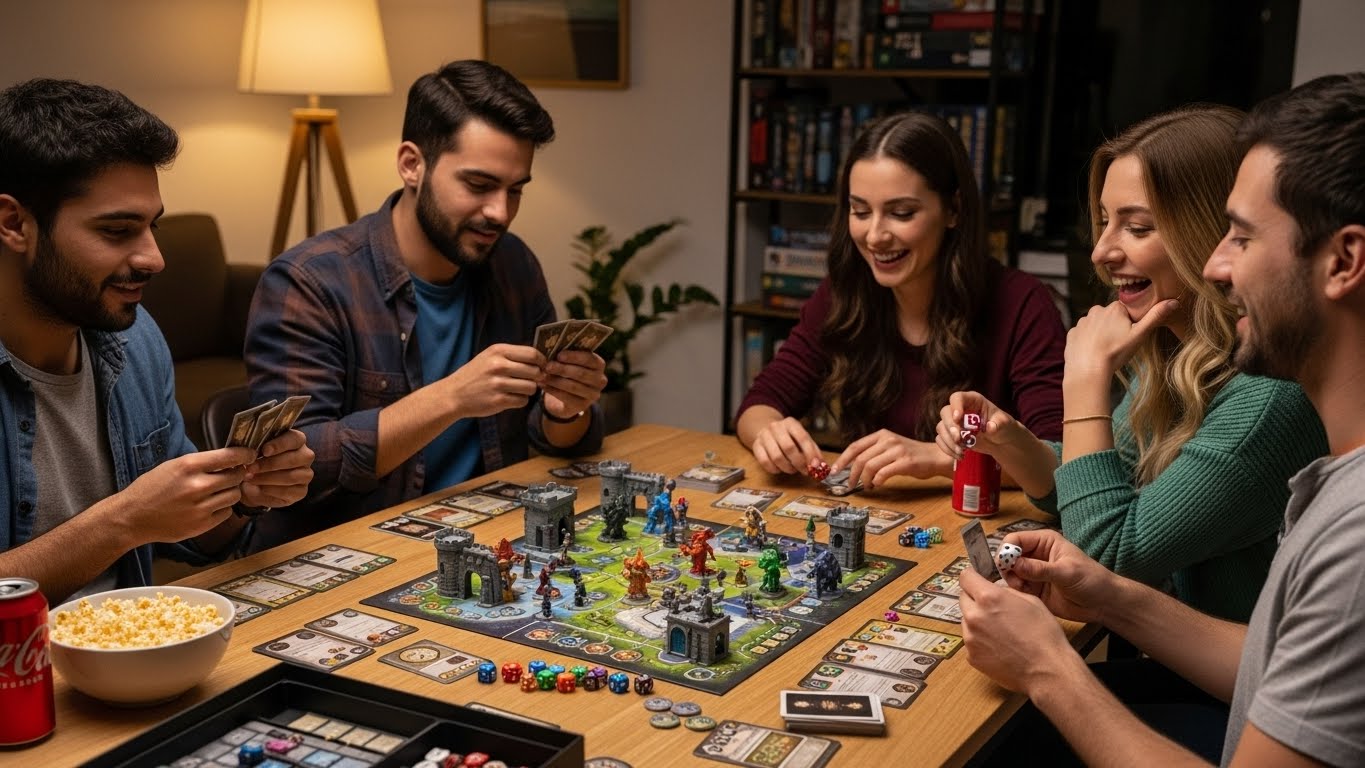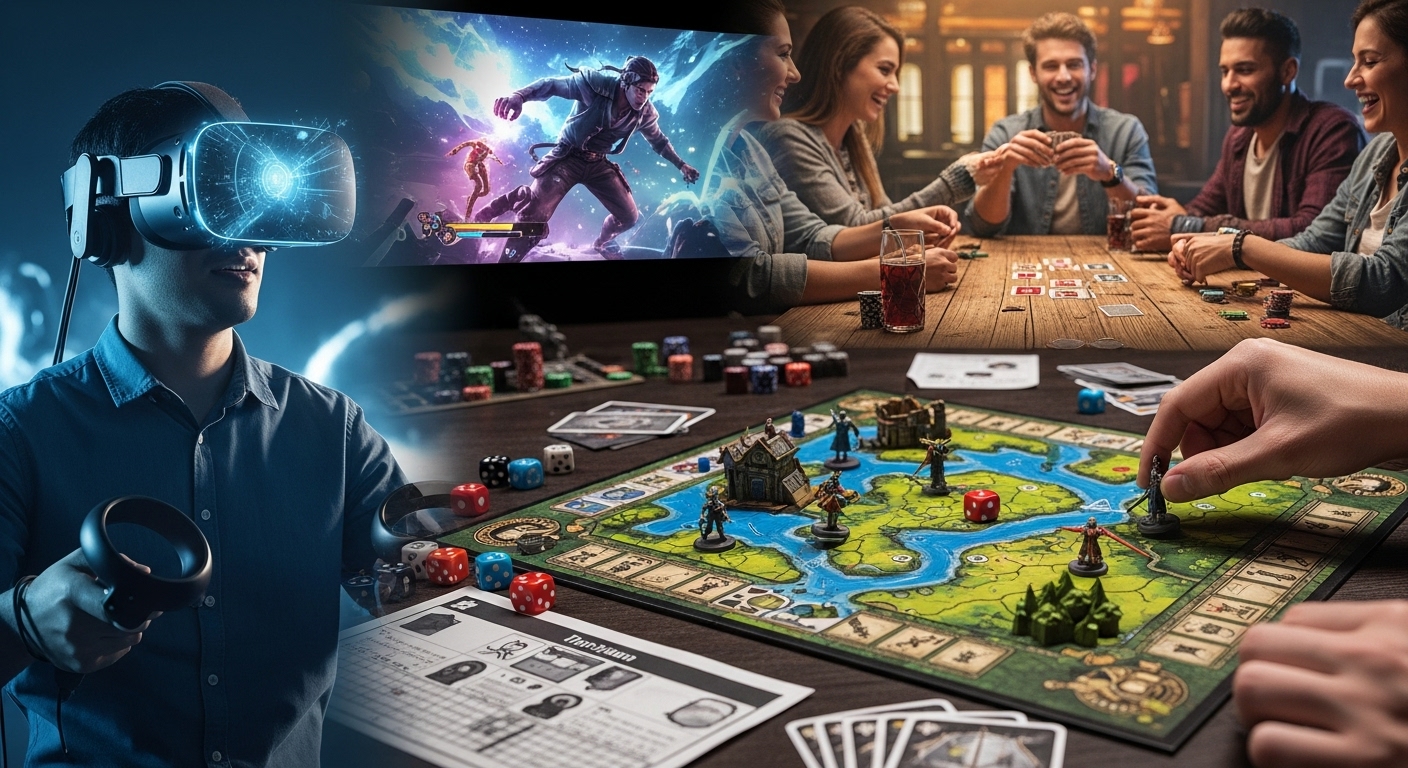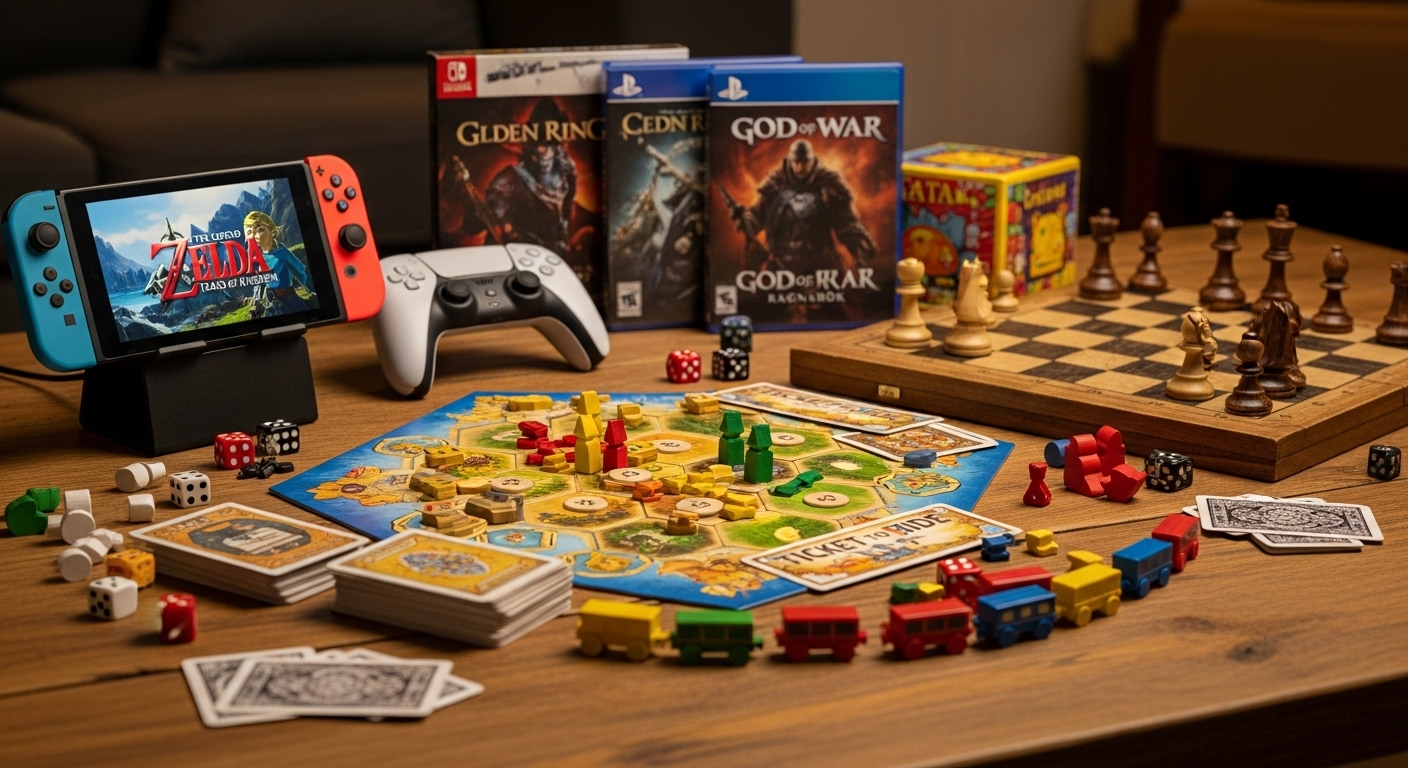
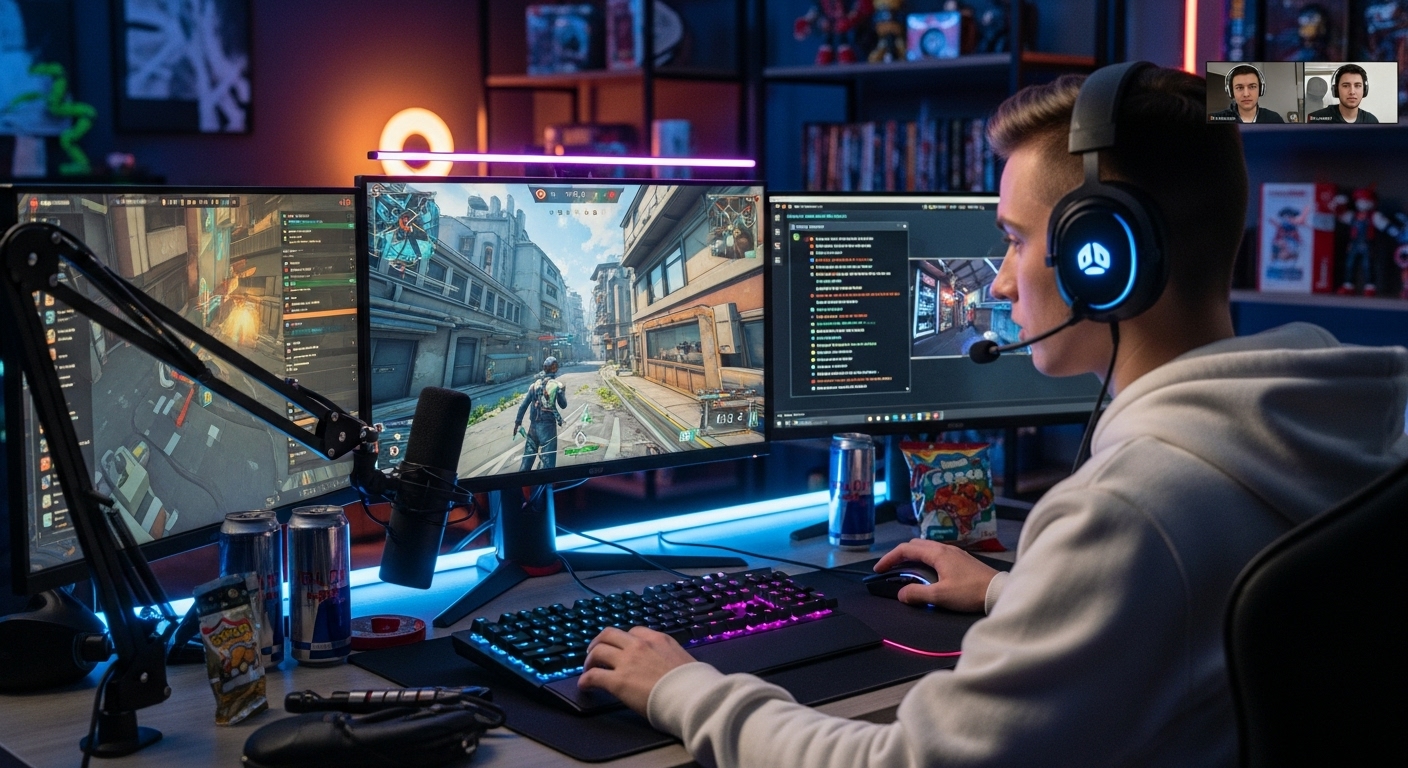
Gaming is no longer just an activity—it has become a cultural and economic force that touches millions of lives around the world. What began as a niche pastime for early technology enthusiasts has evolved into a multi-billion-dollar industry with diverse communities, platforms, and genres. Whether you’re a casual player enjoying mobile games or an esports professional competing in global tournaments, the landscape of gaming is richer and more exciting than ever before. This blog explores the evolution of gaming, diving into its history, growth, technological advances, and what the future holds for this dynamic medium.
The Birth of Video Games: Simple Beginnings
The Dawn of Interactive Entertainment
The roots of gaming trace back to the 1950s and 1960s, when computers and simple electronics were used primarily for research and experimentation. The first rudimentary video games were created as a byproduct of scientific exploration, not entertainment. One of the earliest examples was Tennis for Two, created in 1958 by physicist William Higinbotham, which displayed a simple tennis match on an oscilloscope screen. However, it was in the early 1970s that video games as we know them began to take shape.
In 1972, Nolan Bushnell and Ted Dabney founded Atari, a company that would become synonymous with the gaming industry. Atari’s Pong, released in the same year, marked the first major commercial success in video gaming history. The game’s premise was simple: a two-player ping-pong simulation where players used paddles to hit a ball back and forth. Despite its simplicity, Pong captivated the masses, and arcade gaming quickly became a popular pastime. The success of Pong proved that interactive entertainment had broad appeal, sparking the creation of countless other arcade games throughout the 1970s.
Early Home Consoles and the Rise of Nintendo
By the late 1970s and early 1980s, video games were not just confined to arcades but were beginning to infiltrate the home market. In 1977, the Atari 2600 became one of the first home video game consoles, allowing players to enjoy arcade-style games in their own living rooms. The success of the 2600 signified a new era for gaming, where home entertainment could rival arcade experiences. However, the early 1980s also brought challenges. The market became oversaturated with low-quality games, leading to what is known as the video game crash of 1983, which nearly crippled the industry.
It was during this period of uncertainty that Nintendo emerged as a savior. In 1985, the Nintendo Entertainment System (NES) was released, reigniting interest in home gaming. The NES introduced gamers to iconic titles like Super Mario Bros., The Legend of Zelda, and Metroid, which not only provided entertainment but also showcased the potential of video games as a storytelling medium. Nintendo’s success was pivotal in shaping the future of gaming, as the company established a standard for quality and innovation that other developers would follow.
The 1990s: The Era of 3D Graphics and Global Expansion
The Advent of 3D Gaming
The 1990s marked a transformative period for gaming, largely due to the introduction of 3D graphics. This shift changed the way games were created and played, offering deeper immersion and more complex environments. Consoles like the Sony PlayStation (released in 1994) and the Nintendo 64 (released in 1996) were at the forefront of this change. These systems introduced games with fully realized 3D worlds and characters, such as Super Mario 64, Gran Turismo, and Final Fantasy VII. 3D gaming not only improved visual fidelity but also expanded gameplay mechanics, allowing for greater freedom of movement and exploration.
One of the most revolutionary aspects of 3D gaming was the emergence of fully realized, open-world environments. For the first time, players could explore vast, non-linear landscapes in games like The Legend of Zelda: Ocarina of Time and Grand Theft Auto III. These games introduced new ways of thinking about game design, emphasizing freedom of choice and the ability to interact with a living, breathing world.
The Growth of Online Gaming and Esports
Another defining feature of the 1990s was the rise of online gaming. While online multiplayer had been explored in earlier games on PC, it was the release of Xbox Live in 2002 and PlayStation Network in 2006 that brought online multiplayer to the masses. These platforms allowed players to compete in real-time, chat with friends, and participate in a global gaming community. Games like Halo 2 and Call of Duty helped cement online gaming as a cornerstone of modern entertainment, paving the way for competitive gaming and esports.
Online gaming also introduced a new dimension of social interaction, allowing players from different regions and backgrounds to come together and share in the gaming experience. This social aspect grew in importance as the 2000s approached, and games became not just a solitary activity but also a shared experience among friends, family, and strangers.
The 2000s: The Age of Online Multiplayer and Mobile Gaming
The Emergence of Mobile Gaming
While traditional gaming consoles were still dominant, the early 2000s saw the rise of a new platform: mobile gaming. The introduction of the iPhone in 2007 was a game-changer, offering a portable and accessible way to play video games. The popularity of Angry Birds (2009) and Candy Crush Saga (2012) highlighted the potential of mobile games, which were simple, easy to play, and could be enjoyed in short bursts. Mobile gaming allowed developers to reach a wider audience, including people who may not have considered themselves “gamers” before.
The rise of mobile gaming also introduced new monetization models, most notably the free-to-play (F2P) model. Games like Clash of Clans and Fortnite popularized the concept of offering a game for free, with the option to purchase in-game items or upgrades. This approach led to massive profits for developers and altered the way games were designed and distributed, favoring microtransactions over traditional one-time purchases.
The Growth of Esports and Streaming
The 2000s also saw the rapid growth of esports. Games like StarCraft, Warcraft III, and League of Legends became staples of the competitive gaming scene, with tournaments drawing in large audiences and offering significant cash prizes. Esports organizations, professional players, and dedicated fans began to form a vibrant, global community.
Alongside the rise of esports, streaming platforms like Twitch allowed gamers to share their experiences with a broader audience. Gamers could now stream live gameplay, interact with viewers, and build fanbases. Popular streamers like Ninja and PewDiePie became celebrities in their own right, turning gaming into a mainstream career and lifestyle for many.
The 2010s and Beyond: The Future of Gaming
Virtual Reality (VR) and Augmented Reality (AR)
As technology continues to advance, gaming has begun to explore new frontiers, notably virtual reality (VR) and augmented reality (AR). These immersive technologies promise to take gaming to the next level, providing players with a sense of presence and interaction that traditional gaming cannot match.
The launch of VR systems like the Oculus Rift and PlayStation VR has opened up new possibilities for gameplay. VR allows players to immerse themselves fully in a game world, experiencing it from a first-person perspective and interacting with it in real time. Games like Half-Life: Alyx and Beat Saber showcase the potential of VR, offering highly immersive and engaging experiences. As VR technology improves and becomes more affordable, it’s expected to become a mainstream part of the gaming experience, offering new forms of storytelling and interactivity.
Similarly, augmented reality (AR) is gaining traction in the gaming world. AR overlays digital content onto the real world, allowing players to interact with virtual objects while still being aware of their physical environment. Games like Pokémon GO and Harry Potter: Wizards Unite have demonstrated the potential of AR gaming, encouraging players to explore their surroundings and engage with the game in innovative ways. The future of AR gaming lies in its ability to create experiences that blend the virtual and physical worlds seamlessly.
Cloud Gaming: The End of Physical Hardware?
Cloud gaming represents another significant shift in the industry. Services like Google Stadia, Xbox Cloud Gaming, and NVIDIA GeForce Now allow players to stream games directly from the cloud, bypassing the need for expensive gaming hardware. This could change the way games are distributed, with players no longer needing powerful consoles or PCs to enjoy high-quality games. As internet speeds continue to improve, cloud gaming could become the norm, offering players access to a library of games that can be played on any device, anywhere.
One of the key advantages of cloud gaming is accessibility. It would eliminate the need for players to invest in expensive gaming hardware, making high-end gaming available to anyone with a fast internet connection. However, there are still technical challenges to overcome, such as latency and bandwidth limitations, before cloud gaming can truly replace traditional gaming systems.
The Future of Esports and Content Creation
Esports is expected to continue its rapid growth, with new games, leagues, and tournaments emerging around the world. As esports becomes more mainstream, it’s likely that we’ll see greater recognition from traditional sports organizations and media outlets. The potential for esports to become a multi-billion-dollar industry is significant, and with the rise of new games and formats, competitive gaming will only become more widespread and professional.
Content creation is also evolving, with platforms like YouTube, Twitch, and TikTok offering new ways for gamers to share their experiences, build communities, and monetize their content. Gaming influencers and streamers will continue to play an important role in shaping the future of gaming, offering entertainment, tips, and insights to millions of fans worldwide.
Conclusion: A Thriving Industry with Endless Possibilities
The gaming industry has come a long way since the days of Pong. From its humble beginnings in arcades and home consoles to the immersive worlds of VR and AR, gaming has continually pushed the boundaries of what’s possible. Today, gaming is not just a form of entertainment but a global industry that touches all aspects of life—from socializing and education to professional competition and content creation.
Looking forward, the future of gaming is bright, with new technologies and trends constantly emerging. Whether it’s through cloud gaming, esports, VR, or AR, the next generation of gaming will undoubtedly provide even more innovative and exciting experiences. What remains clear is that gaming will continue to evolve, enriching our lives in ways we have yet to imagine. The journey of gaming is far from over, and we’re only scratching the surface of what’s possible in this dynamic and rapidly growing medium.