Introduction
Games have always been more than just entertainment. From ancient civilizations to modern virtual worlds, games have shaped cultures, driven technological advancements, and brought people together in ways no other medium can. While the purpose of games has often been to entertain, they have also served as tools for education, socialization, and even political or spiritual expression.
Over the years, games have evolved from simple pastimes into multi-billion-dollar industries. Whether it’s a casual board game, a sports competition, or an immersive video game, the impact of games on human society is undeniable. This blog explores the journey of games throughout history, how they have influenced cultures, and the technological innovations that have driven their development.
The Early Beginnings of Games
Games are as old as civilization itself. The earliest known games date back to around 3000 BCE. In ancient Egypt, the game Senet was played, a game involving strategy that was often linked to spiritual beliefs. Similarly, the ancient Sumerians played a game called The Royal Game of Ur, which used dice and boards to create a game of chance and strategy. These early games were not just about entertainment—they were often deeply connected to religious rituals or used as a way to teach lessons about life, such as the cycle of life and death, or the balance of fate and free will.
The ancient Greeks and Romans also played games, but theirs were often more competitive and recreational. Greek athletic games, including the Olympics, focused on testing physical skill, endurance, and mental toughness. These games, which celebrated the human body, laid the foundation for modern sports as a form of entertainment.
As civilization progressed, games continued to evolve, with the Middle Ages introducing more structured games like chess, which required deep strategic thinking. In many ways, these early games were precursors to modern competitions that test both intellect and physical ability.
The Rise of Board Games and Social Play
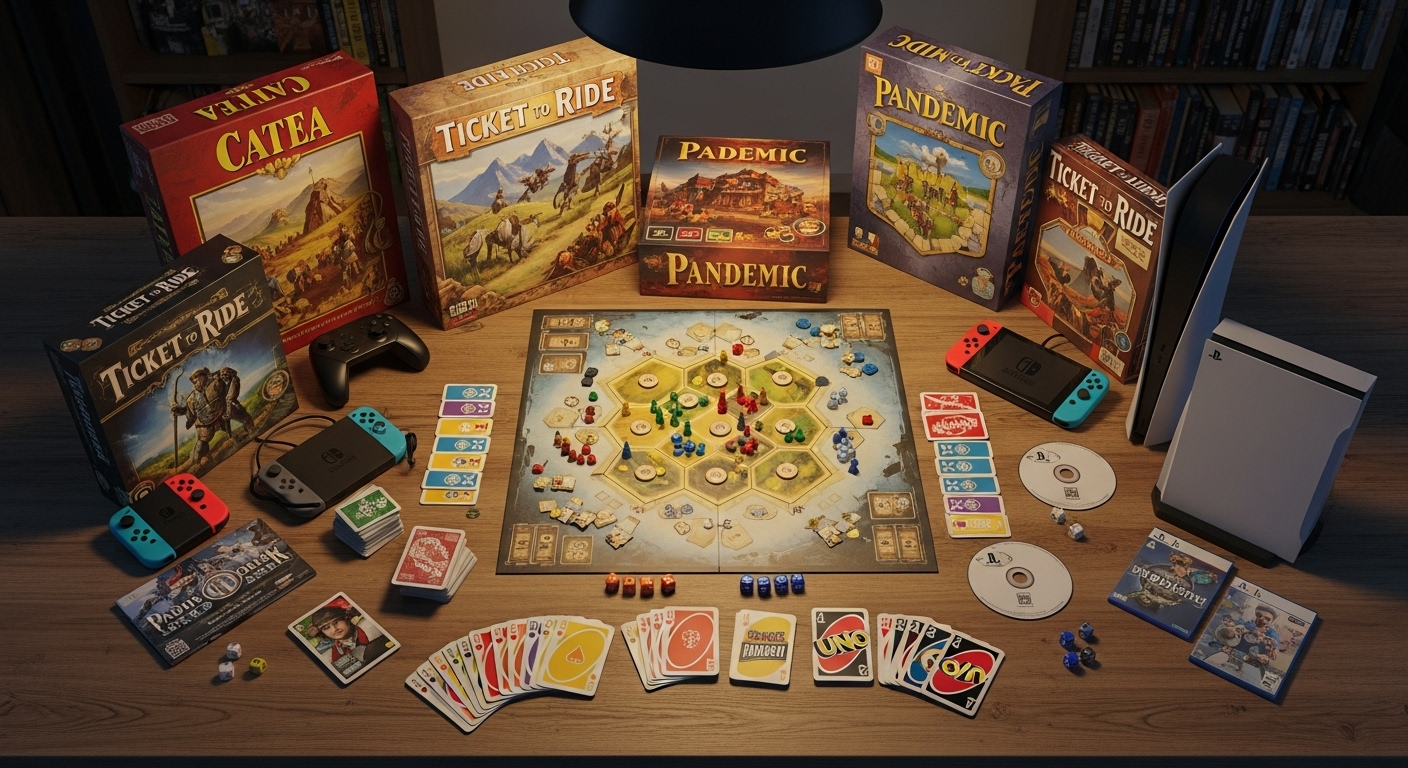
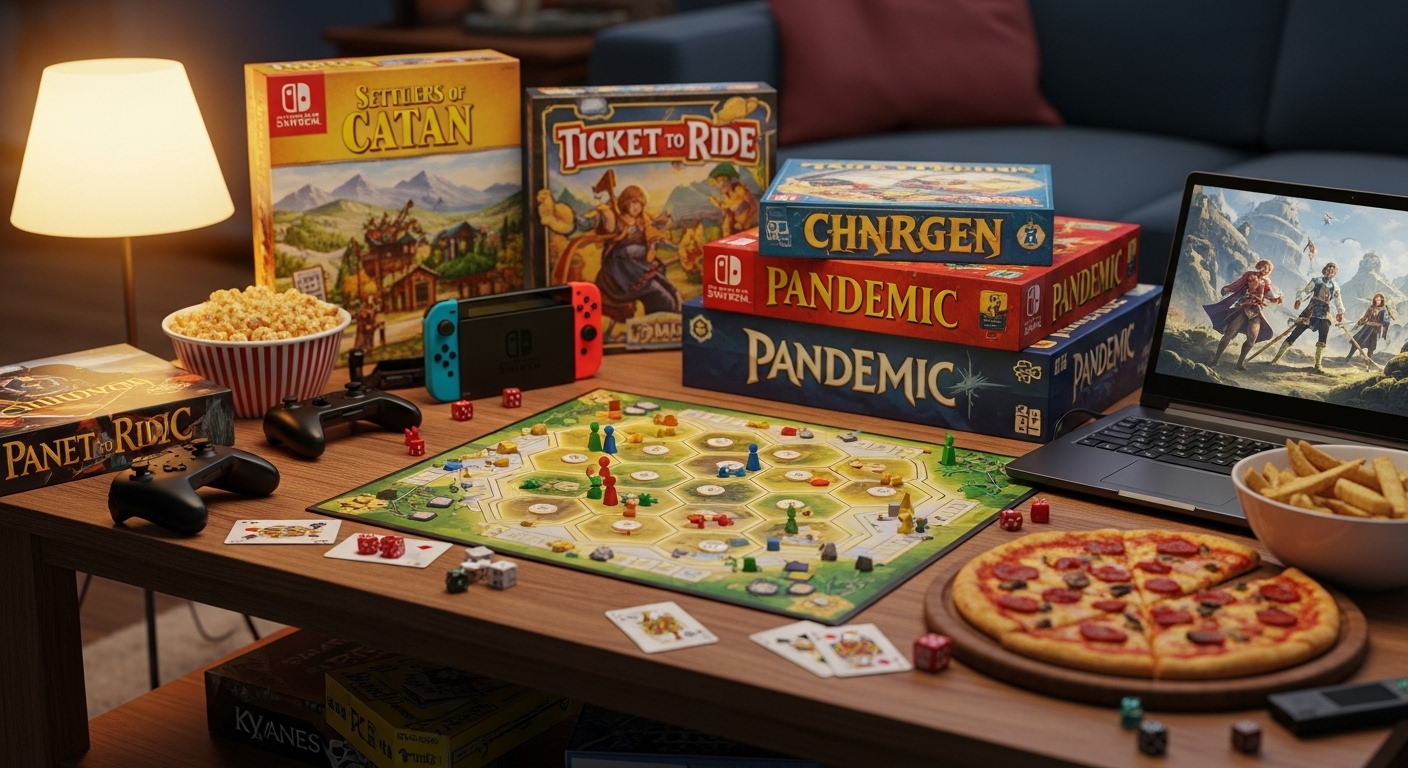
As human societies grew more complex, the social role of games became increasingly important. By the 19th century, the industrial revolution made board games more accessible to the masses. Games like Monopoly, Scrabble, and Clue became household staples, offering people a chance to gather, socialize, and compete in the comfort of their homes.
Board games were no longer just for the elite or scholars. They had become a social activity for families and friends to enjoy together. The ability of these games to bring people together, create shared experiences, and encourage friendly competition was a major milestone in the history of play.
Games like Monopoly and The Game of Life also began to reflect economic and societal structures. Players learned about the value of money, property, and strategy, all while having fun. These games began to shape our understanding of not just what play was, but also how games could reflect real-life challenges and experiences.
The Dawn of Video Games
The real revolution in the world of games came in the late 20th century with the birth of video games. The 1970s and 1980s saw the first commercially successful video games, starting with the arcade game Pong by Atari. It was a simple game: two paddles hitting a ball back and forth. However, it marked the beginning of an entirely new genre of games that would become a major cultural force.
As technology progressed, so did the complexity of video games. The 1980s and 1990s saw the rise of iconic gaming consoles like the Nintendo Entertainment System (NES) and Sega Genesis. These consoles introduced games like Super Mario Bros., The Legend of Zelda, and Sonic the Hedgehog—games that became deeply embedded in popular culture.
The transition from arcade to home consoles democratized gaming, allowing people to play games without needing to leave their homes. Video games became a part of everyday life for children, teenagers, and adults alike, and gaming began to emerge as a new form of mainstream entertainment.
The Internet and the Explosion of Online Gaming
The 1990s also saw the rise of the internet, which would drastically change the way games were played. No longer restricted to single-player experiences, online multiplayer games allowed players from all over the world to connect and compete in real-time.
Early online games like Warcraft and StarCraft were groundbreaking in their ability to link players via the internet. The introduction of Massively Multiplayer Online Role-Playing Games (MMORPGs) like World of Warcraft took this a step further by creating entire virtual worlds where millions of players could interact with each other simultaneously.
This era of online gaming also gave rise to the concept of eSports. Competitive gaming became a legitimate sport, with professional players, sponsorships, and tournaments. Games like League of Legends, Dota 2, and Counter-Strike attracted millions of viewers and led to the creation of massive tournaments with huge prize pools.
The internet also introduced the concept of streaming, with platforms like Twitch and YouTube providing spaces for gamers to share their experiences with others. As a result, the gaming community became increasingly interconnected, with players sharing strategies, creating content, and building communities around their favorite games.
The Evolution of Game Design and Technology
Advancements in technology have always been a driving force behind the development of games. As hardware and software improve, so do the possibilities for game developers. Graphics, gameplay mechanics, and storytelling have all evolved over time, offering increasingly immersive experiences for players.
In the early days of video games, graphics were limited to basic pixelated images, but as technology advanced, so did the visual quality of games. The 1990s saw the introduction of 3D graphics, which opened up entirely new dimensions for game designers to explore. Games like Super Mario 64 and Final Fantasy VII demonstrated the potential of 3D environments, allowing players to explore expansive worlds in a way that had never been possible before.
In the 2000s, online multiplayer games and massive open-world games like Grand Theft Auto and The Elder Scrolls V: Skyrim set new standards for game design. These games allowed players to explore massive worlds, complete quests, and interact with NPCs in ways that felt incredibly real and dynamic.
As technology has continued to improve, games have become more immersive. Virtual reality (VR) and augmented reality (AR) have opened up entirely new possibilities for how players interact with games. VR allows players to step into fully realized virtual worlds, while AR integrates virtual elements into the real world, as seen in games like Pokémon GO.
Games as Cultural Phenomena
Games have moved beyond simple entertainment to become cultural phenomena. The rise of Pokémon, Minecraft, Fortnite, and Angry Birds is a testament to the power of games to permeate everyday life. These games have transcended the screen to become brands, with merchandise, movies, and even theme park attractions built around them.
Gaming has also become a form of socialization. Online multiplayer games have allowed players to form communities, with friendships, rivalries, and alliances built within these digital worlds. Social platforms like Discord and Twitch have further amplified this social aspect, where gamers can connect, share experiences, and interact in real-time.
In recent years, games have become a powerful tool for storytelling, with narratives and characters often explored in greater depth than ever before. Games like The Last of Us, Red Dead Redemption 2, and Journey demonstrate the potential for video games to tell emotionally charged, thought-provoking stories that rival those found in books and films.
The Future of Gaming
The future of gaming looks incredibly promising. As technology continues to advance, the boundaries of what games can achieve will only expand. Virtual reality (VR) and augmented reality (AR) will continue to blur the lines between the virtual and real worlds, providing even more immersive experiences. The rise of cloud gaming and gaming subscription services will make it easier for people to access games from a variety of platforms, with fewer barriers to entry.
Artificial intelligence (AI) is set to play a huge role in the future of gaming as well. AI-driven game design will allow for more dynamic, reactive gameplay where player actions influence the story and world in real-time. Machine learning will allow game characters to adapt to player behaviors, creating unique experiences for every user.
Furthermore, the world of eSports will continue to grow, with competitive gaming likely to become even more mainstream. The increasing professionalization of eSports, alongside the expansion of gaming-related media, will ensure that gaming remains a significant part of global entertainment.
Conclusion
Games have come a long way since their humble beginnings in ancient Egypt and Sumeria. From board games to video games, and from casual play to professional eSports, games have been central to human culture and innovation. As technology continues to evolve, so too will games, offering new ways to play, connect, and experience the world. With each technological leap, games have proven that they are more than just entertainment—they are a powerful medium for storytelling, education, and social interaction.
In the future, the line between the digital and physical worlds will continue to blur, and games will likely become even more immersive, interactive, and connected. Regardless of how they evolve, games will always be at the heart of what makes us human—play, creativity, and connection.