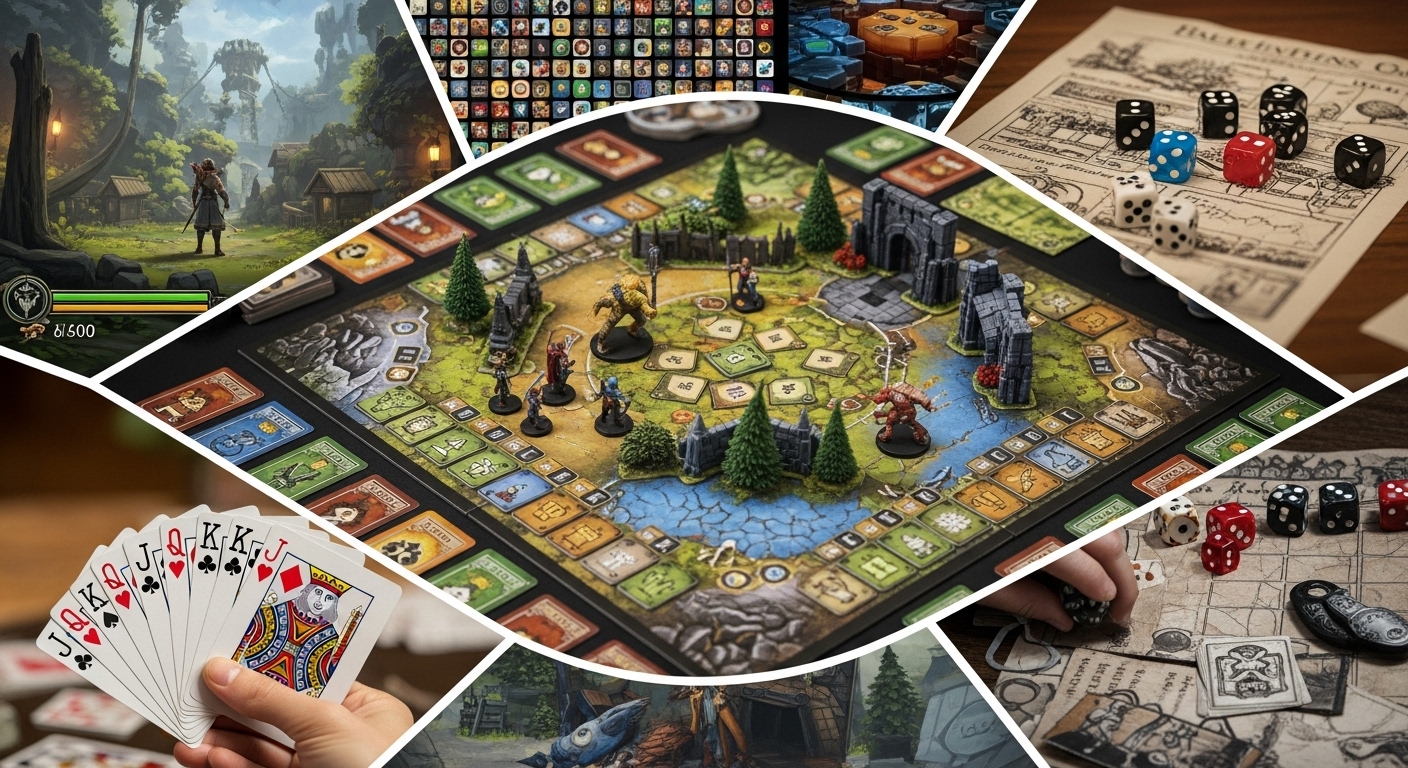

Video games have evolved from simple pixelated screens to vast, immersive worlds that engage players in ways once thought impossible. As technology advances and game developers push the boundaries of creativity, some games stand out for their originality, storytelling, and gameplay mechanics. These unique titles challenge conventional gaming norms, offering experiences that go beyond entertainment and into the realm of art. In this blog post, we will explore several video games that are recognized for their innovation and distinctiveness, each pushing the medium in new and exciting directions.
Journey (2012): A Meditative Exploration of Connection and Solitude
Journey, developed by Thatgamecompany, is one of the most notable examples of a game that transcends traditional mechanics and dives deep into emotional and artistic expression. Set in a vast desert, players control a robed figure on a pilgrimage toward a distant mountain. The game’s strength lies in its minimalist design and non-verbal narrative, relying on environmental storytelling, music, and player interaction to convey its emotional depth.
What makes Journey unique is the way it fosters a sense of connection without using words. There is no dialogue or traditional storytelling; instead, players encounter other players online, but without any means of communication, such as text or voice chat. The only form of interaction comes through musical chimes and actions, creating a shared experience that feels both intimate and ephemeral. The game’s sparse world and tranquil atmosphere encourage reflection, making the act of simply walking and exploring feel profound.
Journey shows that video games can be about more than just completing objectives or defeating enemies; they can be about emotional experiences, connections, and introspection. The game has been hailed as a work of art, celebrated for its ability to evoke powerful emotions through gameplay that is both simple and profound.
The Stanley Parable (2013): A Playful Exploration of Choice and Free Will
The Stanley Parable by Davey Wreden and William Pugh is a game that challenges traditional notions of choice and narrative in video games. At first glance, it may seem like a typical walking simulator, but it quickly reveals itself to be a brilliant deconstruction of player agency and storytelling. In the game, players take on the role of Stanley, an office worker who finds himself in an empty building, and the narrator guides him through various choices and scenarios.
What makes The Stanley Parable unique is its ability to subvert player expectations. Rather than offering a straightforward narrative with clear goals, the game forces players to confront the consequences of their actions—or lack thereof. The narrator offers instructions, but players can choose to ignore them, leading to entirely different outcomes. The game has numerous endings, all of which reflect on the idea of free will, choice, and the relationship between players and the games they play.
By breaking the fourth wall and challenging the player’s role in the narrative, The Stanley Parable redefines how stories can be told in video games. It asks players to question what it means to have control over a game’s narrative and whether true freedom of choice exists in a medium that is often bound by design and programming.
Shadow of the Colossus (2005): A Monumental Quest of Isolation and Sacrifice
Shadow of the Colossus, developed by Team Ico, is a game that has become synonymous with emotional storytelling and atmospheric world-building. The game follows the protagonist, Wander, as he embarks on a quest to defeat sixteen massive colossi in order to bring his lover, Mono, back to life. Unlike most action games, Shadow of the Colossus is devoid of traditional enemies or complex combat sequences. Instead, the game focuses on the monumental battles between Wander and the colossal creatures that roam the land.
The unique aspect of Shadow of the Colossus lies in its minimalism. The world is vast and mostly empty, devoid of any other life besides the colossi, creating a sense of solitude and isolation. The gameplay centers around puzzle-like encounters where players must figure out how to climb and defeat each colossus. These battles are more about exploration and puzzle-solving than combat, which makes each encounter feel deeply personal and profound.
The emotional weight of the game’s story, paired with its haunting atmosphere and breathtaking visuals, creates a sense of melancholy and sacrifice that is rarely seen in video games. Shadow of the Colossus is a perfect example of how a game can combine innovative gameplay mechanics with deep emotional resonance, leaving a lasting impact on players long after they’ve finished the game.
Papers, Please (2013): A Dystopian Simulation of Morality and Choice
In Papers, Please, players take on the role of a border guard in the fictional Eastern Bloc-inspired country of Arstotzka. Tasked with checking the documents of individuals attempting to cross the border, players must make moral decisions about who can pass and who must be denied entry. The catch is that every decision has consequences, both for the player’s character and for the people they interact with.
Papers, Please stands out due to its emphasis on moral complexity and the consequences of even the smallest actions. Unlike most games that focus on combat or traditional gameplay objectives, Papers, Please forces players to navigate a system of bureaucratic rules, while also weighing ethical dilemmas such as whether to turn away a mother and child, or whether to follow increasingly oppressive government orders.
The game’s narrative unfolds gradually, and the player’s decisions have a significant impact on the story’s outcome. This moral tension—combined with the game’s unique setting and gameplay—makes Papers, Please a thought-provoking exploration of duty, corruption, and personal responsibility. It challenges the player to think about their role in a larger system and questions the price of compliance versus defiance in an authoritarian regime.
Undertale (2015): Breaking the Mold of Traditional RPGs
Undertale, created by Toby Fox, is one of the most unique and beloved indie games in recent memory. At its core, Undertale is a role-playing game (RPG) that allows players to explore a world of monsters, but it introduces an entirely new approach to combat and interaction. Instead of fighting enemies, players can choose to spare or befriend them through a variety of non-violent methods. In fact, the game encourages players to explore alternative ways to resolve conflicts, challenging the conventional RPG trope of “killing to progress.”
What makes Undertale truly special is its emphasis on choice and consequences. Every decision the player makes—from the way they handle combat to the relationships they build with the characters—affects the game’s outcome. There are multiple paths, including a pacifist route, a neutral route, and a genocide route, each with its own set of consequences and endings.
The game’s quirky humor, memorable characters, and emotional depth have made it a fan favorite. Undertale is a perfect example of how a game can subvert expectations, offering a fresh take on familiar mechanics while also exploring deeper themes of empathy, consequence, and the morality of player choices.
The Witness (2016): A Philosophical Puzzle Game That Challenges Perception
The Witness, developed by Jonathan Blow, is a first-person puzzle game set on a mysterious island filled with intricate puzzles. The game’s primary focus is on solving grid-based puzzles that require observation, pattern recognition, and logical thinking. However, The Witness goes beyond just being a puzzle game—it also incorporates philosophical themes that encourage players to question how they perceive the world.
What sets The Witness apart is its environmental storytelling and the way it ties the puzzles to the game’s overarching narrative. The island is a complex world filled with visual clues and thematic elements that invite players to think deeply about knowledge, perception, and learning. As players solve puzzles, they are not just unlocking new areas but also gradually uncovering the game’s philosophical message about understanding the world and the process of discovery.
The Witness is a game that challenges players intellectually while also offering a beautiful and contemplative experience. Its combination of puzzles and philosophy makes it a unique entry in the genre, proving that video games can be more than just mindless entertainment—they can be thought-provoking and intellectually stimulating.
Conclusion: The Future of Unique Video Games
The games discussed in this blog post represent just a small sample of the many unique and innovative titles that have redefined what video games can be. These games have shown that the medium is capable of far more than just delivering entertainment. They explore complex themes, challenge our perceptions of choice and morality, and even encourage players to reflect on their own experiences and emotions.
As technology continues to advance, and as developers continue to experiment with new ideas and storytelling techniques, the future of unique video games is bright. We can expect more games that push boundaries, break conventions, and offer players new ways to experience the world. Whether through minimalist design, philosophical exploration, or gameplay innovation, these games prove that video games are a dynamic and evolving form of art—one that will continue to captivate and inspire players for years to come.