Introduction: The Power of Games
Games have evolved far beyond simple entertainment. From board games and card games to immersive video games, the world of gaming has become a cultural, technological, and social phenomenon. Modern video games engage millions of players globally, offering interactive experiences that combine storytelling, strategy, competition, and creativity. Gaming is no longer just a pastime; it influences education, technology, culture, and even the economy. Understanding the significance of gaming helps us appreciate how it continues to shape society.
The Evolution of Gaming
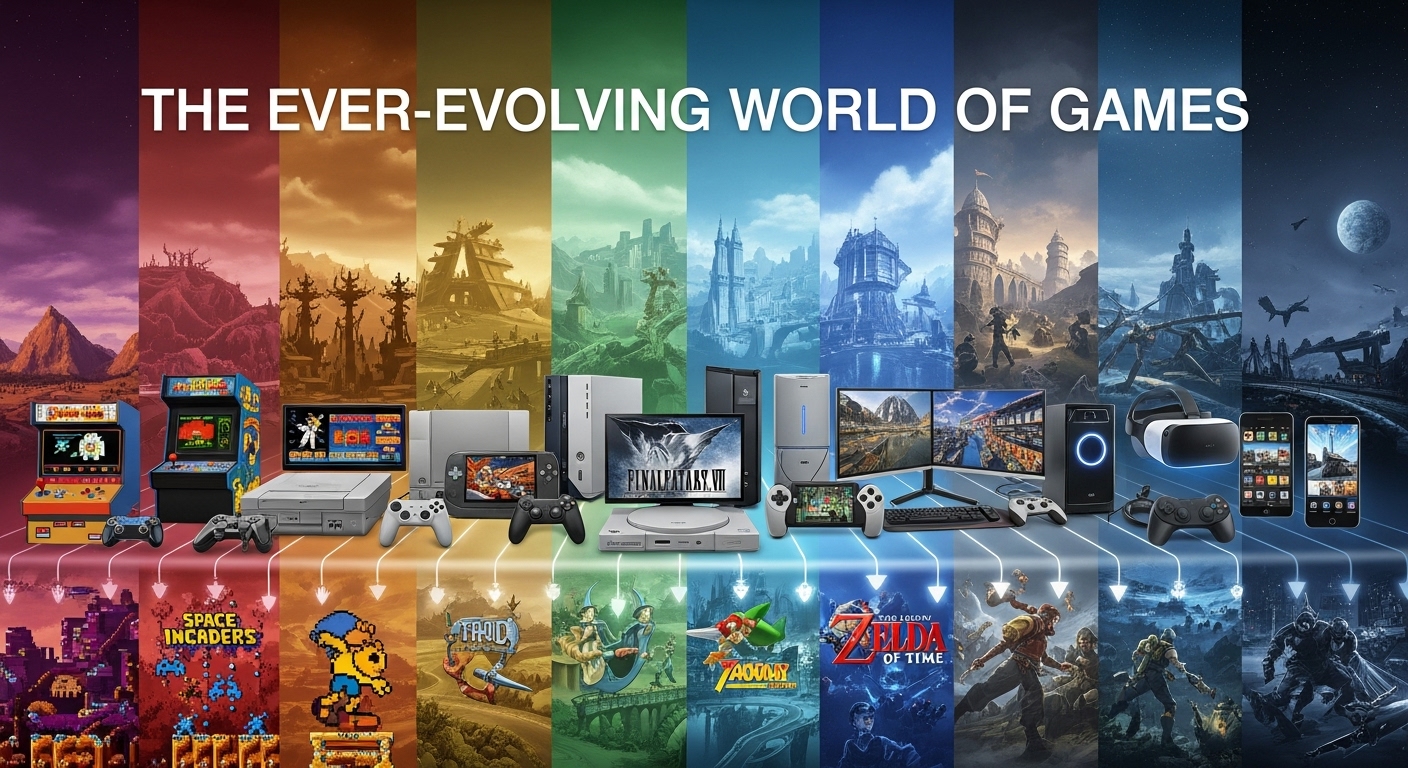
The history of gaming spans centuries, beginning with traditional games like chess, Go, and card games. The 20th century introduced video games, starting with simple arcade titles such as Pong and Pac-Man. With the rise of personal computers and gaming consoles, games became more sophisticated, offering complex narratives, high-quality graphics, and multiplayer capabilities. The evolution of gaming reflects advancements in technology, changes in player expectations, and the increasing integration of gaming into everyday life.
Types of Video Games
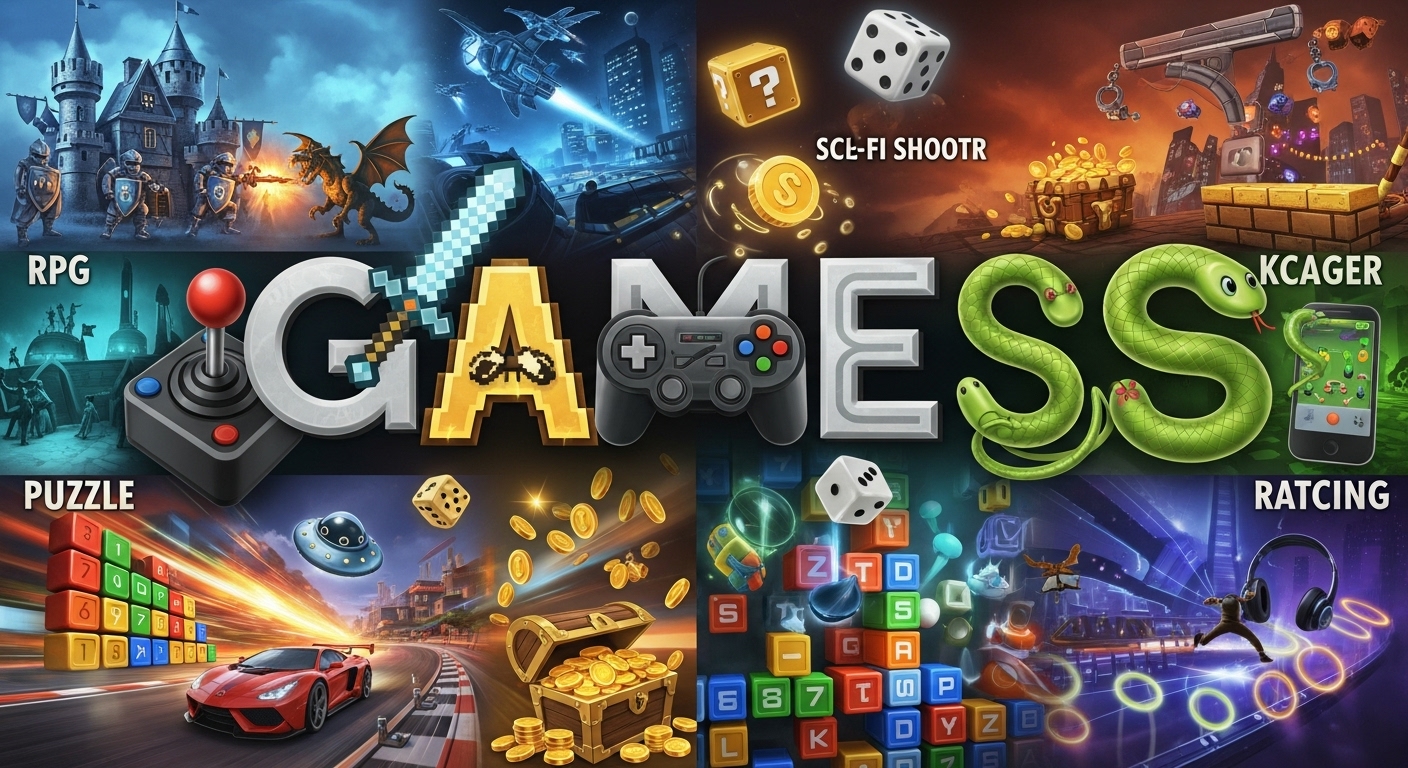
Video games span a wide range of genres, each offering unique experiences. Action and adventure games focus on fast-paced gameplay and immersive storylines. Role-playing games (RPGs) allow players to assume the roles of characters in expansive worlds. Simulation games replicate real-world activities, from managing cities to piloting aircraft. Strategy games challenge players to plan, manage resources, and make critical decisions. Sports and racing games replicate real-life athletic competition, while puzzle and casual games offer quick, accessible entertainment. Each genre attracts different audiences, ensuring diversity and inclusivity in gaming.
The Role of Technology in Gaming
Technology is at the heart of modern gaming. Advances in graphics processing, virtual reality, and cloud computing have elevated gameplay experiences. Artificial intelligence enhances non-player character behavior, creating dynamic worlds that adapt to player actions. Online multiplayer platforms connect gamers across continents, fostering competition and collaboration. Mobile technology enables gaming on-the-go, allowing players to engage with content anywhere. Gaming technology continues to push boundaries, merging creativity and innovation in unprecedented ways.
The Cultural Impact of Gaming
Gaming has become a significant cultural force. Popular games influence music, fashion, and social media, while iconic characters and narratives shape entertainment trends. Gaming communities form online and offline, bringing players together through shared interests. Tournaments and esports events attract global audiences, turning players into celebrities and games into spectacles. Gaming culture also promotes storytelling, creativity, and collaboration, extending its influence beyond entertainment into education and the arts.
Esports and Competitive Gaming
Esports has transformed gaming into a professional and competitive industry. Players compete in organized tournaments for cash prizes, sponsorships, and international recognition. Games such as League of Legends, Dota 2, and Counter-Strike have established professional leagues with millions of viewers worldwide. Competitive gaming requires strategy, teamwork, and mental endurance, akin to traditional sports. Esports has also created career opportunities beyond playing, including coaching, streaming, event management, and content creation.
Gaming and Education
Games are increasingly used as educational tools. Serious games and simulations teach critical thinking, problem-solving, and technical skills. Educational games make learning interactive and engaging, helping students grasp complex concepts in science, math, and history. Multiplayer and collaborative games foster teamwork, communication, and leadership skills. By combining entertainment with education, gaming promotes lifelong learning and skill development, bridging the gap between fun and practical knowledge.
The Psychological Benefits of Gaming
Contrary to some misconceptions, gaming can offer several psychological benefits. Strategic games improve decision-making and problem-solving skills. Multiplayer games enhance social interaction, collaboration, and communication. Puzzle and logic games boost memory, concentration, and cognitive flexibility. Additionally, gaming provides stress relief, escapism, and emotional engagement, offering a safe environment to explore creativity and challenge oneself. When approached responsibly, gaming can be a positive influence on mental health.
The Social Dimension of Gaming
Online gaming has created vast social networks where players interact, cooperate, and compete. Multiplayer games allow friends to connect and strangers to form communities around shared interests. Social features, such as in-game chat, guilds, and tournaments, promote collaboration and communication. Gaming also fosters inclusion, connecting people from different cultures and backgrounds. The social dimension of gaming transforms solitary play into interactive experiences, strengthening bonds and creating shared memories.
The Economic Impact of Gaming
The gaming industry is a major economic driver. Game development, publishing, hardware production, and esports contribute billions of dollars globally. Mobile gaming, downloadable content, and microtransactions generate additional revenue streams. The industry also supports creative sectors, such as animation, music, and storytelling. Job opportunities span programming, design, marketing, and management, making gaming a multifaceted economic ecosystem. Its financial significance continues to grow as technology and player engagement expand.
Mobile Gaming and Accessibility
Mobile gaming has expanded the reach of games to millions of users worldwide. Smartphones and tablets provide instant access to a vast library of games, making gaming more convenient and accessible than ever. Mobile games often feature simple mechanics, quick sessions, and social connectivity, appealing to casual and new players. The portability and accessibility of mobile gaming have democratized entertainment, ensuring that almost anyone with a mobile device can participate in the gaming world.
Virtual Reality and Augmented Reality
Virtual reality (VR) and augmented reality (AR) are pushing gaming into immersive experiences. VR places players inside fully interactive digital worlds, enhancing immersion and engagement. AR overlays digital elements onto the real world, blending physical and virtual experiences. These technologies are applied in gaming, simulation, training, and education. As VR and AR hardware become more affordable, immersive gaming will become increasingly mainstream, redefining how players experience digital worlds.
Challenges in Gaming
Despite its growth, the gaming industry faces challenges. Excessive gaming can lead to addiction, social isolation, and health concerns. Ensuring fair play, cybersecurity, and data privacy is critical, especially in online and mobile gaming. Game developers must balance monetization strategies with ethical practices, avoiding exploitative systems. Inclusivity and diversity remain areas of improvement, ensuring games reflect and respect global audiences. Addressing these challenges is essential to maintain sustainable growth and player trust.
The Future of Gaming
The future of gaming is exciting and full of potential. Cloud gaming will allow high-quality experiences without expensive hardware, making games more accessible. Artificial intelligence will create dynamic, adaptive worlds that respond to player decisions. Esports and streaming will continue to expand, offering professional opportunities and entertainment for millions. Emerging technologies like VR, AR, and haptic feedback will redefine immersion. Gaming will remain at the intersection of technology, culture, and human creativity, driving innovation in entertainment and beyond.
Conclusion: Gaming as a Force for Innovation and Culture
Gaming has grown from a hobby into a cultural, technological, and economic powerhouse. It entertains, educates, and connects millions of people worldwide. From mobile gaming to VR experiences and esports competitions, the gaming industry continues to innovate and evolve. Its social, educational, and psychological benefits highlight gaming as more than just entertainment. As technology advances and communities grow, gaming will continue to shape culture, inspire creativity, and redefine digital experiences for generations to come.