
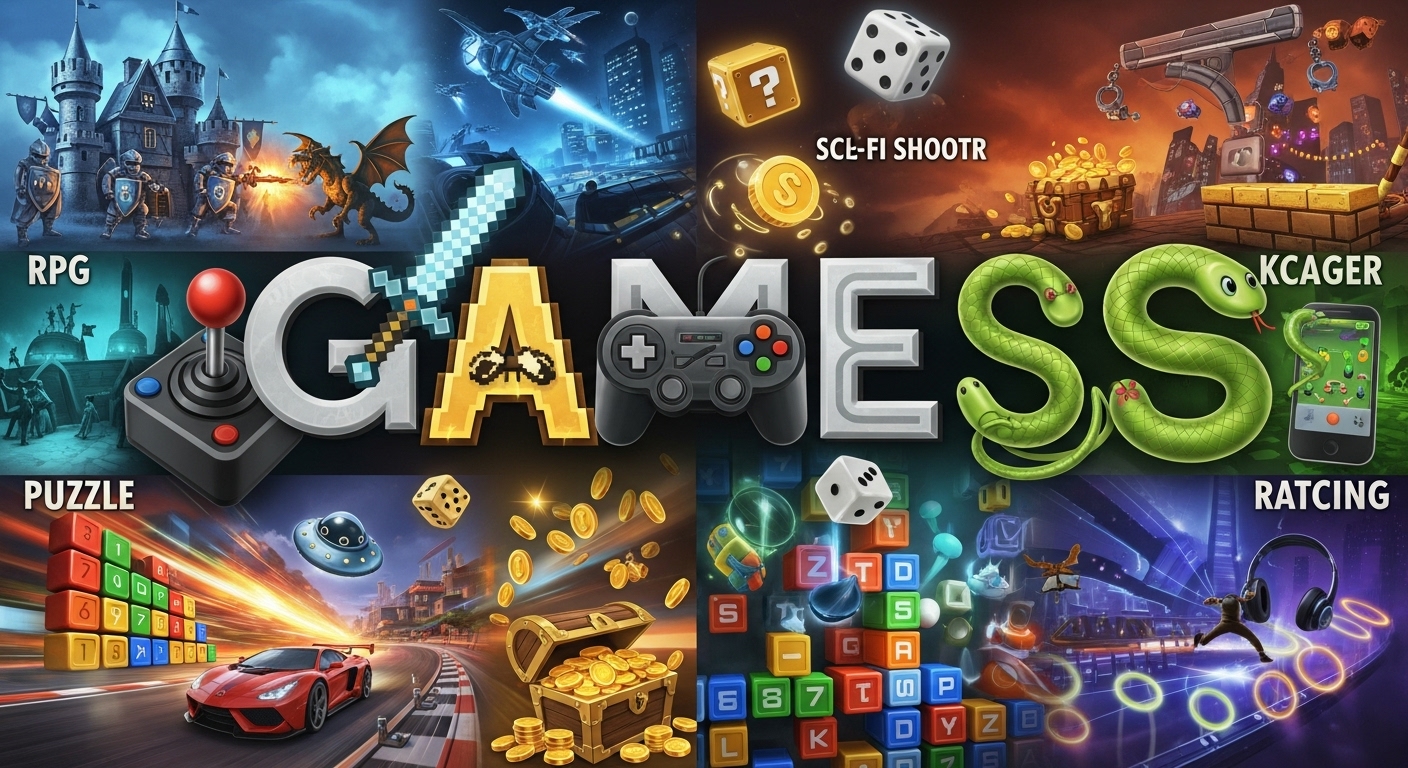
Introduction: The Enduring Power of Games
Games have been an integral part of human culture for centuries. From simple board games to complex digital experiences, games have always served as a source of entertainment, creativity, and social connection. The evolution of technology has transformed gaming into a global phenomenon that reaches millions of players worldwide.
Modern games are no longer just a pastime. They offer immersive narratives, interactive gameplay, and multiplayer experiences that connect people across continents. Whether played on a console, PC, or mobile device, games have become an essential aspect of contemporary entertainment, influencing culture, education, and social interaction. This blog explores the evolution, technological advancements, cultural significance, and future of games.
The Evolution of Games: From Physical Play to Digital Worlds
The history of games dates back to ancient times when humans played board games, card games, and physical challenges. Games like chess, checkers, and sports such as football or tag helped develop strategy, coordination, and teamwork.
The digital revolution completely changed the gaming landscape. Early video games in the 1970s and 1980s, including Pong and Space Invaders, introduced interactive entertainment into homes. As technology advanced, games evolved into immersive experiences with realistic graphics, complex mechanics, and online connectivity. Today, gaming spans multiple platforms, including consoles, PCs, mobile devices, and virtual reality systems, making it accessible to a global audience at any time.
Video Games: Immersion and Creativity
Video games have become the cornerstone of modern entertainment. They range from casual mobile apps to high-budget console and PC titles with cinematic storytelling. Popular genres include action-adventure, role-playing, first-person shooters, strategy, and simulation games.
Modern video games immerse players with intricate narratives, interactive environments, and challenging gameplay. They foster creativity, problem-solving, and critical thinking. Multiplayer features allow users to collaborate or compete with others worldwide, creating social connections and communities. Video games now exist at the intersection of art, technology, and entertainment, providing experiences that are both engaging and meaningful.
Mobile Gaming: Entertainment in the Palm of Your Hand
The rise of smartphones and tablets has transformed gaming, making it accessible anywhere and anytime. Mobile games span a wide range of genres, from casual puzzles and arcade games to competitive strategy and role-playing adventures.
Mobile platforms provide convenience and instant access to entertainment. Push notifications, achievements, and in-app rewards keep players engaged, while free-to-play models allow broader participation. Mobile gaming has attracted a diverse audience, including casual players who may not use consoles or PCs. The flexibility and accessibility of mobile platforms have expanded the global reach of gaming and revolutionized how people play.
Online Multiplayer Games: Building Communities
Online multiplayer games have redefined gaming as a social activity. Players can connect, collaborate, and compete with others across the globe. Popular multiplayer genres include battle royale, massively multiplayer online role-playing games, and team-based strategy games.
Multiplayer gaming promotes teamwork, communication, and strategy. Communities form through forums, streaming platforms, and social networks, where players share strategies, celebrate achievements, and organize events. Online multiplayer games have transformed solitary play into a communal experience, allowing players to engage with global communities and form meaningful social connections.
Esports: Professional Gaming and Global Competitions
Esports has elevated gaming from a recreational activity to a professional sport. International tournaments for games like League of Legends, Dota 2, Fortnite, and Counter-Strike draw millions of viewers and offer substantial prize pools. Professional gamers dedicate significant time to practice, strategy, and teamwork.
Esports has created new forms of entertainment, including live streaming, sponsorships, and fan engagement. Spectators can follow their favorite teams, watch matches in real-time, and interact with the gaming community. Esports demonstrates the growing legitimacy of gaming as a competitive and professional pursuit, blending skill, strategy, and entertainment.
Educational and Cognitive Benefits of Games
Games are more than just fun; they offer cognitive and educational benefits. Puzzle games, strategy titles, and simulations improve critical thinking, problem-solving, memory, and multitasking skills. Educational games teach subjects like mathematics, language, science, and history while keeping players engaged.
Multiplayer and cooperative games promote social skills, teamwork, and empathy. Competitive gameplay teaches perseverance, strategic planning, and adaptability. Games can also foster creativity through design, storytelling, and world-building. The cognitive and educational advantages of games highlight their value beyond entertainment, making them powerful tools for learning and development.
Technology Driving the Gaming Industry
Technology is the backbone of modern gaming. Advanced graphics, artificial intelligence, cloud computing, and virtual and augmented reality create immersive and realistic experiences. High-speed internet enables smooth online multiplayer interactions, global competitions, and live streaming.
Artificial intelligence adapts game difficulty, controls non-player characters, and personalizes gameplay experiences. Virtual reality provides a sense of presence in immersive worlds, while augmented reality blends digital content with the real environment. Technology continues to push the boundaries of what games can achieve, allowing developers to create innovative experiences that engage and inspire players.
Gaming Communities: Social Connections and Collaboration
Games have become hubs for social interaction. Players can engage in chat, forums, and streaming platforms to discuss strategies, share experiences, and celebrate accomplishments. Multiplayer and cooperative games foster collaboration, communication, and teamwork.
These communities create a sense of belonging and identity for players. Gamers can connect with others who share similar interests, participate in events, and form lasting friendships. Social interaction adds depth to gaming, transforming it from a solitary activity into a culturally significant and socially engaging experience.
The Economic Impact of Gaming
Gaming is a major economic force globally. Revenue streams include game sales, subscriptions, in-app purchases, streaming, merchandise, and esports events. The industry generates employment in software development, design, marketing, content creation, and event management.
The growth of mobile gaming, digital distribution platforms, and online communities has opened new revenue streams. Gaming also supports related industries such as cloud computing, virtual reality hardware, and streaming services. The economic impact of gaming underscores its significance as a major contributor to the global entertainment industry.
Cultural Significance of Games
Games influence culture, art, media, and social trends. Iconic game franchises shape storytelling, music, fashion, and community identity. Popular games serve as cultural touchstones, influencing language, social behavior, and creative expression.
Narrative-driven games explore complex themes, including ethics, identity, and social responsibility. They provide players with experiences that challenge perspectives, encourage empathy, and reflect societal values. The cultural significance of games highlights their role as more than entertainment, serving as a medium for expression, connection, and reflection.
The Future of Gaming
The future of gaming promises innovation, inclusivity, and greater immersion. Cloud gaming will allow high-quality experiences on low-spec devices, while artificial intelligence will create adaptive and personalized gameplay. Virtual and augmented reality will redefine immersion, offering interactive environments that blend physical and digital worlds.
Cross-platform play, social integration, and global communities will continue to grow. Educational, ethical, and therapeutic applications of games will expand their societal impact. As technology evolves, games will continue to push boundaries, combining entertainment, learning, and social interaction in ways previously unimaginable.
Conclusion: Games as a Transformative Force
Games have evolved from simple forms of entertainment to complex cultural, social, and economic phenomena. They offer immersive experiences, social connection, cognitive development, and artistic expression. Video games, mobile platforms, multiplayer experiences, and esports illustrate the versatility and influence of games in modern society.
As technology advances and audiences diversify, games will continue to shape how people interact, compete, and entertain themselves. They have become a transformative force in culture and entertainment, connecting people across the world, inspiring creativity, and redefining the boundaries of human interaction in the digital age.