
Introduction: The Power of Play in the Modern World
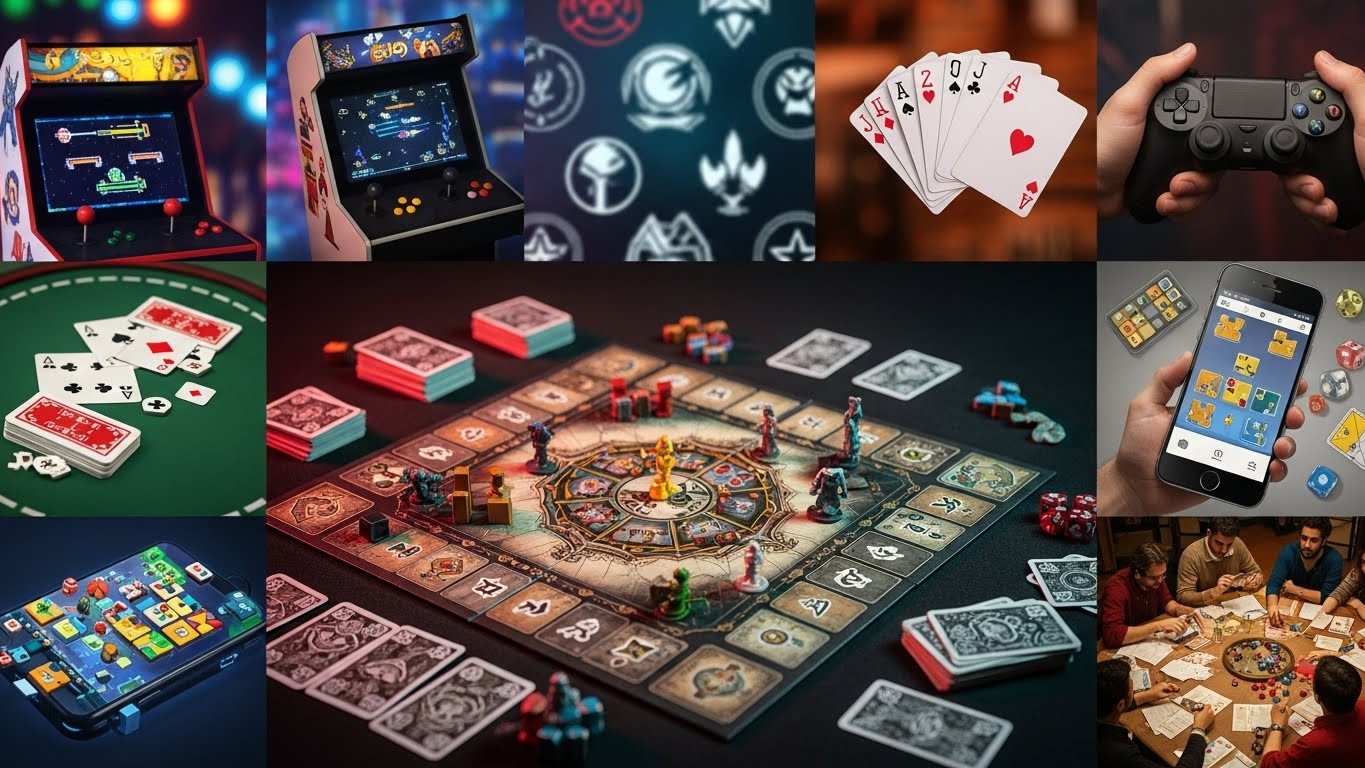
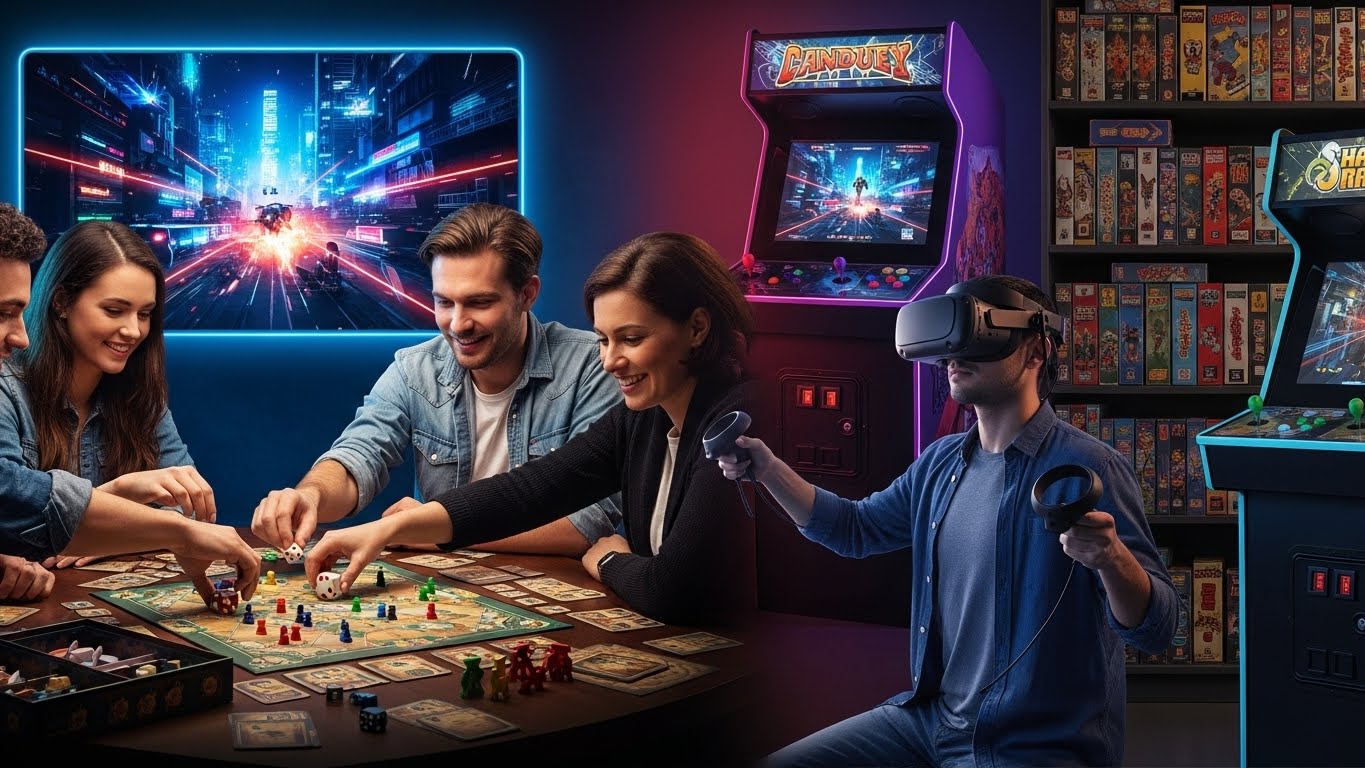
Games have become one of the most influential forms of entertainment in the twenty-first century. From traditional board games to highly immersive video games, the concept of play has evolved into a multi-billion-dollar global industry. Games are no longer just a pastime; they are platforms for creativity, social interaction, and innovation. They teach, entertain, and even heal. The transformation of games over the years reflects not only technological advancement but also the changing nature of human imagination and connection.
The Origins of Gaming: From Board to Digital
The story of gaming began long before the digital era. Ancient civilizations created games to entertain, educate, and build strategic thinking. Chess, for instance, originated as a game of intellect and tactics, teaching players about planning and foresight. With time, these physical games evolved into digital experiences. The 1970s and 1980s marked the birth of arcade machines and home consoles, introducing titles like Pong and Space Invaders. These simple games captivated audiences and paved the way for the digital entertainment revolution. As technology progressed, gaming became more complex, interactive, and immersive, giving rise to the diverse genres and styles we enjoy today.
The Golden Age of Video Games
The 1990s and early 2000s are often considered the golden age of gaming. During this period, developers pushed the boundaries of creativity and technology. The introduction of 3D graphics transformed flat, pixelated worlds into lifelike environments. Games such as The Legend of Zelda, Final Fantasy, and Grand Theft Auto defined genres and inspired countless others. Console wars between companies brought innovation, competition, and excitement to the gaming community. It was an era of experimentation, where storytelling became as important as gameplay, and players were transported into rich, emotional worlds.
The Influence of Technology on Gaming Evolution
Technology has always been the driving force behind the evolution of games. The improvement in processing power, graphics, and sound design has turned gaming into a cinematic experience. Modern consoles and gaming PCs can render hyper-realistic visuals and simulate physics with incredible precision. Artificial intelligence allows for adaptive enemies and dynamic environments, while cloud computing enables gaming without the need for high-end hardware. Motion sensors, virtual reality, and augmented reality have taken interactivity to new levels. These advancements have made gaming not only more immersive but also more accessible, connecting millions of players worldwide.
The Rise of Online and Multiplayer Gaming
The internet changed everything about how people play. Online multiplayer gaming created virtual communities where players could compete, cooperate, and communicate in real time. Games like Counter-Strike, World of Warcraft, and Fortnite transformed gaming into a social experience. Players are no longer confined to their local environment; they can now form friendships and rivalries with people from across the world. Online gaming also introduced competitive esports, where professional players and teams compete in global tournaments watched by millions. This digital socialization has made gaming one of the most influential cultural movements of the modern era.
Mobile Gaming: The Pocket Revolution
One of the most significant shifts in gaming has been the rise of mobile platforms. Smartphones have turned nearly everyone into a gamer, making games accessible anytime, anywhere. Titles like Candy Crush, Clash of Clans, and Genshin Impact have proven that mobile gaming can be both fun and profitable. What sets mobile gaming apart is its convenience and diversity. Casual players can enjoy quick challenges, while more dedicated gamers can experience complex adventures. Mobile gaming has also encouraged innovation in design and monetization, giving rise to new business models and game mechanics that keep players engaged for years.
Esports and Competitive Gaming Culture
Esports has redefined what it means to be a gamer. What was once a leisure activity is now a legitimate professional pursuit. Competitive gaming tournaments attract massive audiences, both online and in physical arenas. Players are treated like athletes, with sponsorships, training regimens, and fan followings. Games like Dota 2, League of Legends, and Valorant have established themselves as esports giants, generating careers and global fame for skilled players. The competitive nature of esports has elevated gaming to the level of mainstream sports, proving that gaming requires strategy, coordination, and discipline.
Storytelling in Games: Art Meets Emotion
Games today are much more than mechanics and competition; they are powerful storytelling mediums. Developers craft narratives that evoke emotion, provoke thought, and immerse players in worlds full of meaning. Games such as The Last of Us, Red Dead Redemption, and Journey are celebrated for their deep stories, complex characters, and cinematic presentation. Interactive storytelling allows players to influence outcomes, creating personal and memorable experiences. Unlike traditional media, games engage players as active participants, making the story feel uniquely theirs. This interactivity transforms games into one of the most expressive art forms of the modern age.
The Educational Power of Games
Beyond entertainment, games have proven to be valuable educational tools. They enhance cognitive skills such as problem-solving, memory, and strategic thinking. Educational games are now widely used in classrooms to teach subjects ranging from mathematics to history in a fun and engaging way. Simulation games allow players to learn about real-world systems like city planning, economics, and science. Moreover, serious games are being developed for professional training in fields like medicine, aviation, and engineering. The ability of games to teach through experience and repetition makes them an effective and enjoyable method of learning.
Games and Mental Health: The Healing Side of Play
Games have also found a place in the field of mental health. Playing games can reduce stress, improve mood, and foster relaxation. Multiplayer games help combat loneliness by connecting people across distances. Some therapeutic games are specifically designed to help individuals manage anxiety, depression, or trauma. Games provide a safe environment for self-expression and emotional release. The sense of accomplishment from overcoming challenges within a game can boost confidence and resilience. As research continues, the positive psychological effects of gaming are becoming more recognized and appreciated.
The Art and Design Behind Great Games
Creating a successful game requires a delicate balance between art and technology. Designers, programmers, writers, and artists collaborate to bring a concept to life. Visual design sets the tone and mood, while music and sound enhance emotion. Gameplay mechanics ensure that the experience is engaging and rewarding. The artistry in game development lies in making these elements work harmoniously. Independent developers, often with small teams and limited budgets, have produced some of the most creative and emotionally resonant games in recent years. Their success shows that passion and imagination are as important as technology in shaping the gaming world.
Economic Impact of the Global Gaming Industry
The gaming industry has grown into one of the most powerful sectors in global entertainment. It generates more revenue than the film and music industries combined. Digital distribution, in-game purchases, and subscription models have created multiple income streams for developers. The popularity of streaming platforms has also given rise to content creators who make careers out of gaming. This financial success has spurred further technological innovation, driving advancements in hardware, software, and artificial intelligence. The economic influence of gaming is undeniable, shaping markets and inspiring new generations of entrepreneurs and innovators.
Challenges Facing the Gaming Industry
Despite its success, the gaming industry faces several challenges. Issues such as addiction, data privacy, and toxic online behavior need to be addressed. Developers are also under pressure to create inclusive and diverse games that represent all kinds of players. Crunch culture, where developers work long hours under intense pressure, is another problem that has sparked global discussions about labor ethics. Balancing business interests with player well-being and creative integrity is a constant struggle. However, with growing awareness and dialogue, the industry is taking steps toward creating a healthier and more sustainable environment for both players and creators.
The Future of Gaming: Boundless Possibilities
The future of gaming promises even more innovation and transformation. Advances in artificial intelligence, virtual reality, and augmented reality will make games more immersive and interactive than ever before. Cloud gaming will eliminate hardware barriers, allowing anyone with an internet connection to access high-quality games. The integration of machine learning could lead to games that adapt dynamically to players’ choices, creating personalized experiences. Additionally, the blending of gaming with other technologies, such as blockchain and wearable devices, could redefine ownership, interaction, and storytelling. The possibilities are limitless, and the next generation of games will likely change how we play, learn, and communicate.
Conclusion: Games as the Universal Language of Creativity
Games have come a long way from being simple forms of entertainment to becoming complex ecosystems of creativity, technology, and community. They connect people, inspire imagination, and challenge our perception of reality. Whether played on a console, a phone, or a virtual headset, games are an expression of human curiosity and innovation. They teach us about teamwork, perseverance, and problem-solving while providing joy and adventure. As technology continues to evolve, so will the world of games, pushing boundaries and opening new horizons for players and creators alike. Games are more than just digital experiences—they are a universal language that unites generations and cultures, shaping the future of how we play and live.