Introduction: The Universal Appeal of Games
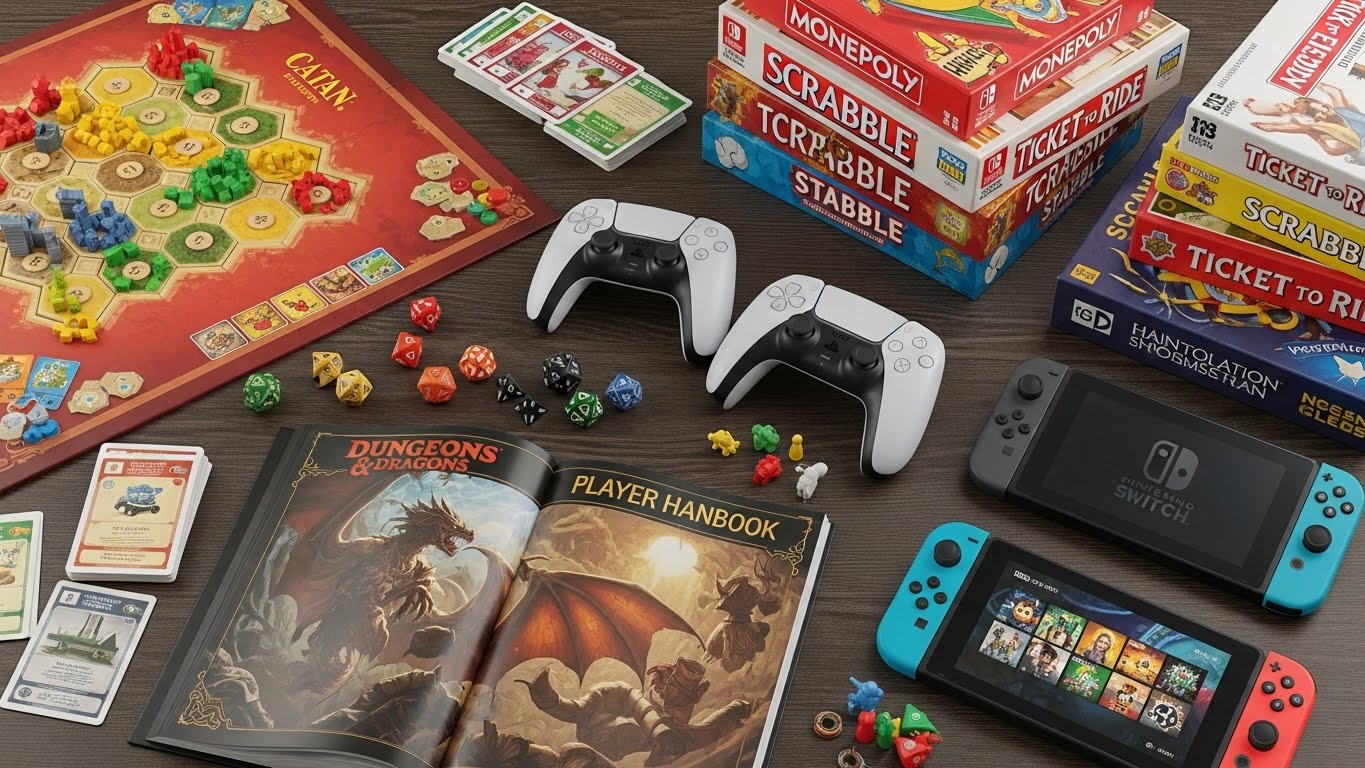
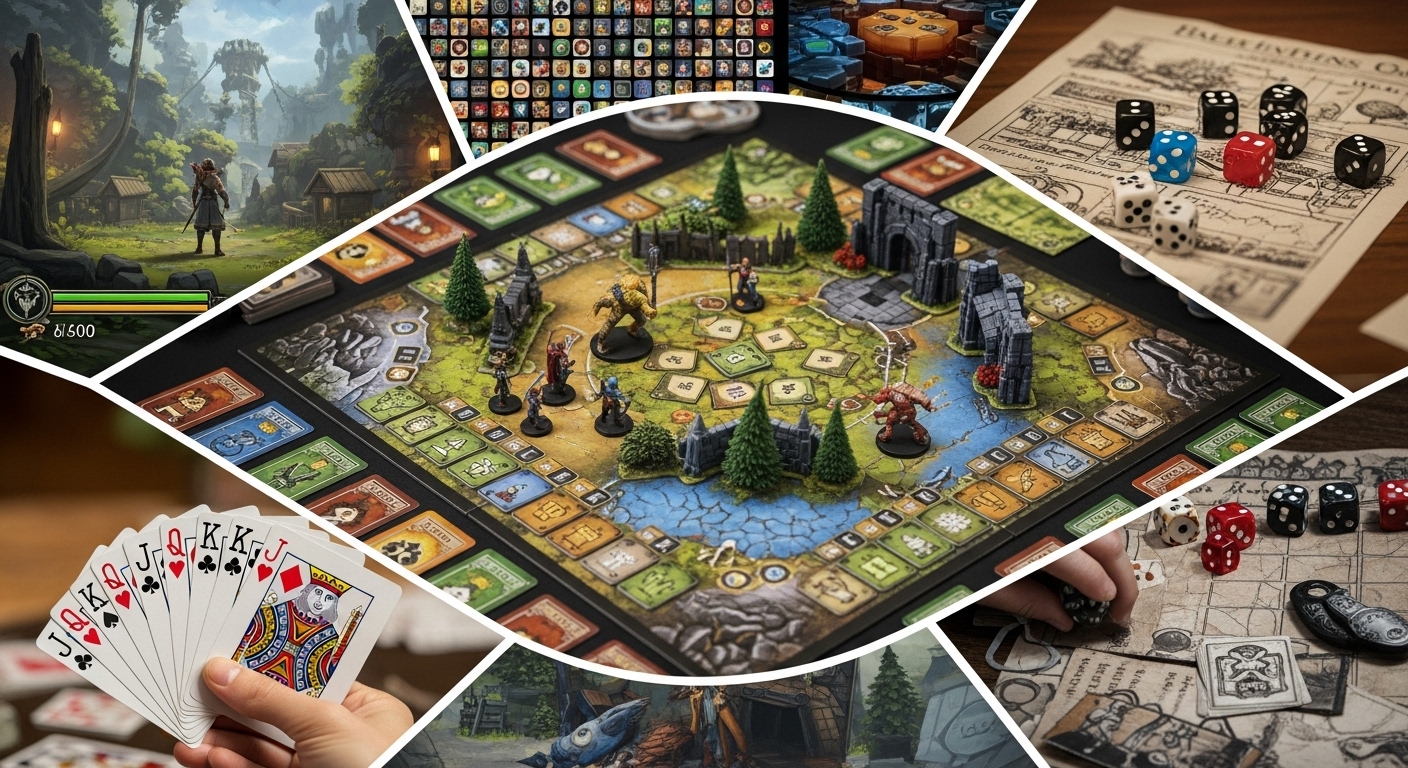
Games have been a part of human culture for centuries, evolving from simple board games and outdoor activities to complex digital experiences. Today, games are more than just entertainment; they are a medium for storytelling, social interaction, skill development, and even professional careers. The rapid evolution of technology has transformed how people play, making games accessible on computers, consoles, mobile devices, and virtual reality platforms.
Modern games engage players with immersive narratives, challenging mechanics, and interactive communities. The gaming industry has grown into a global phenomenon, attracting diverse audiences and generating significant economic impact. This blog explores the evolution, technology, cultural impact, and future of games in the contemporary world.
The Evolution of Games: From Traditional to Digital
Games began as simple activities designed for fun, education, or social bonding. Early board games, card games, and physical challenges provided entertainment while developing strategic thinking, coordination, and teamwork. Examples include chess, checkers, and sports like football or tag.
The digital revolution transformed the gaming landscape. The first video games in the 1970s and 1980s, such as Pong and Space Invaders, introduced electronic entertainment into homes. Advancements in graphics, processing power, and internet connectivity allowed games to evolve into immersive experiences with complex mechanics, realistic visuals, and multiplayer capabilities. Today, games are not confined to physical spaces; they exist on multiple digital platforms, offering entertainment for millions worldwide.
Video Games: Immersion and Interactivity
Video games have become the most prominent form of modern entertainment. They range from casual mobile games to high-budget console and PC titles with cinematic storytelling. Games like action-adventure titles, role-playing games, first-person shooters, and strategy games cater to diverse player preferences.
Modern video games offer immersive worlds with intricate narratives, lifelike graphics, and interactive mechanics. They encourage problem-solving, strategic thinking, and creativity. Multiplayer modes allow players to collaborate or compete globally, fostering a sense of community and social interaction. Video games have grown beyond simple pastimes to become complex cultural artifacts with artistic, technical, and emotional depth.
Mobile Gaming: Entertainment in Your Hands
The advent of smartphones and tablets revolutionized gaming by making it accessible anywhere, anytime. Mobile games range from casual puzzle and arcade games to competitive multiplayer experiences and role-playing adventures.
Mobile gaming provides instant entertainment and offers features such as push notifications, achievements, and social sharing. Free-to-play models with in-app purchases have democratized access, allowing players from different economic backgrounds to participate. Mobile games have expanded the global audience, attracting casual players who might not engage with traditional console or PC gaming. This accessibility has made mobile gaming one of the fastest-growing segments of the industry.
The Rise of Online Multiplayer Games
Online multiplayer games have transformed gaming into a social activity. Players can connect with friends, join global communities, and participate in team-based competitions or cooperative adventures. Popular genres include battle royale, massively multiplayer online role-playing games, and competitive shooters.
These games foster social interaction, communication, and teamwork. They also encourage skill development, strategy, and adaptability. Online communities form around shared interests, creating forums, discussion groups, and streaming channels. Multiplayer gaming has turned players into participants in global digital ecosystems, where collaboration and competition coexist.
Esports: Gaming as a Competitive Sport
Esports has elevated gaming from casual entertainment to a professional industry. Competitive gaming tournaments attract millions of viewers worldwide, featuring games such as League of Legends, Dota 2, Fortnite, and Counter-Strike. Professional players train rigorously, and major events offer substantial prize pools.
Esports has introduced betting, sponsorships, and live streaming as integral parts of the industry. Fans engage with teams, follow competitions, and participate in online discussions. The rise of esports highlights the increasing legitimacy of gaming as a professional pursuit and its potential for cultural impact and entertainment innovation.
Educational and Cognitive Benefits of Games
Beyond entertainment, games offer cognitive, educational, and developmental benefits. Puzzle games, strategy games, and simulation experiences enhance problem-solving, memory, critical thinking, and multitasking skills. Educational games combine learning with fun, teaching subjects like mathematics, language, history, and science.
Games also develop social and emotional skills. Multiplayer experiences encourage collaboration, communication, empathy, and conflict resolution. Even competitive games teach discipline, patience, and perseverance. The educational potential of games demonstrates their value beyond leisure, shaping minds and encouraging lifelong learning.
The Role of Technology in Gaming
Technology drives the evolution of games. Advanced graphics, artificial intelligence, virtual reality, and augmented reality create immersive experiences. Real-time multiplayer servers, cloud gaming, and fast internet connections allow seamless global interaction.
Artificial intelligence enhances gameplay by controlling non-player characters, adapting difficulty levels, and personalizing challenges. Virtual reality and augmented reality create lifelike environments, giving players the sensation of physical presence in digital worlds. Technology not only improves gameplay but also expands the possibilities for creativity, storytelling, and innovation within games.
Gaming Communities and Social Interaction
Games have become powerful social platforms. Online forums, chat features, streaming platforms, and in-game interactions foster communities where players share strategies, celebrate achievements, and collaborate on challenges.
Social gaming allows players to form friendships across geographical boundaries. Communities centered on games create culture, language, and shared experiences. These interactions add emotional and social value to gaming, turning solitary play into a connected, collaborative, and culturally rich activity.
The Economic Impact of Gaming
Gaming is a major economic force, generating revenue through game sales, subscriptions, in-app purchases, streaming, merchandise, and esports events. The industry provides jobs in software development, design, marketing, content creation, and event management.
The rise of mobile gaming, digital distribution platforms, and online multiplayer communities has expanded revenue streams. Gaming has also spurred growth in related industries such as virtual reality hardware, high-performance computing, and streaming services. The economic significance of gaming highlights its global influence and potential as a sustainable industry.
Games as Cultural Phenomena
Games influence culture, media, and storytelling. Iconic franchises shape art, music, film adaptations, and merchandise. Popular games become shared cultural references, influencing fashion, language, and social trends.
Gaming also addresses themes such as ethics, identity, and community. Narrative-driven games explore human experiences, social dilemmas, and philosophical questions. The cultural impact of games demonstrates their role as both entertainment and a medium for expression and reflection.
The Future of Games
The future of games promises innovation, immersion, and inclusivity. Advances in artificial intelligence will enhance dynamic storytelling and adaptive gameplay. Cloud gaming will allow high-quality experiences on low-end devices, making games more accessible.
Virtual and augmented reality will provide unprecedented levels of immersion, allowing players to interact with digital worlds in physical space. Cross-platform and social integration will continue to grow, connecting players worldwide. The gaming industry will also explore ethical and educational applications, further broadening its societal impact. The future is a blend of entertainment, technology, and community, pushing the boundaries of what games can achieve.
Conclusion: Games as a Force in Modern Entertainment
Games have evolved far beyond simple pastimes. They are immersive, interactive, and influential. From traditional board games to cutting-edge virtual reality experiences, games provide entertainment, social connection, and cognitive development.
The gaming industry continues to grow as technology advances and audiences expand. Multiplayer games, esports, mobile platforms, and educational titles demonstrate the versatility and potential of games as a cultural and economic force. Games have become an integral part of modern life, shaping entertainment, technology, and human interaction for generations to come.