
Introduction: More Than Just Fun
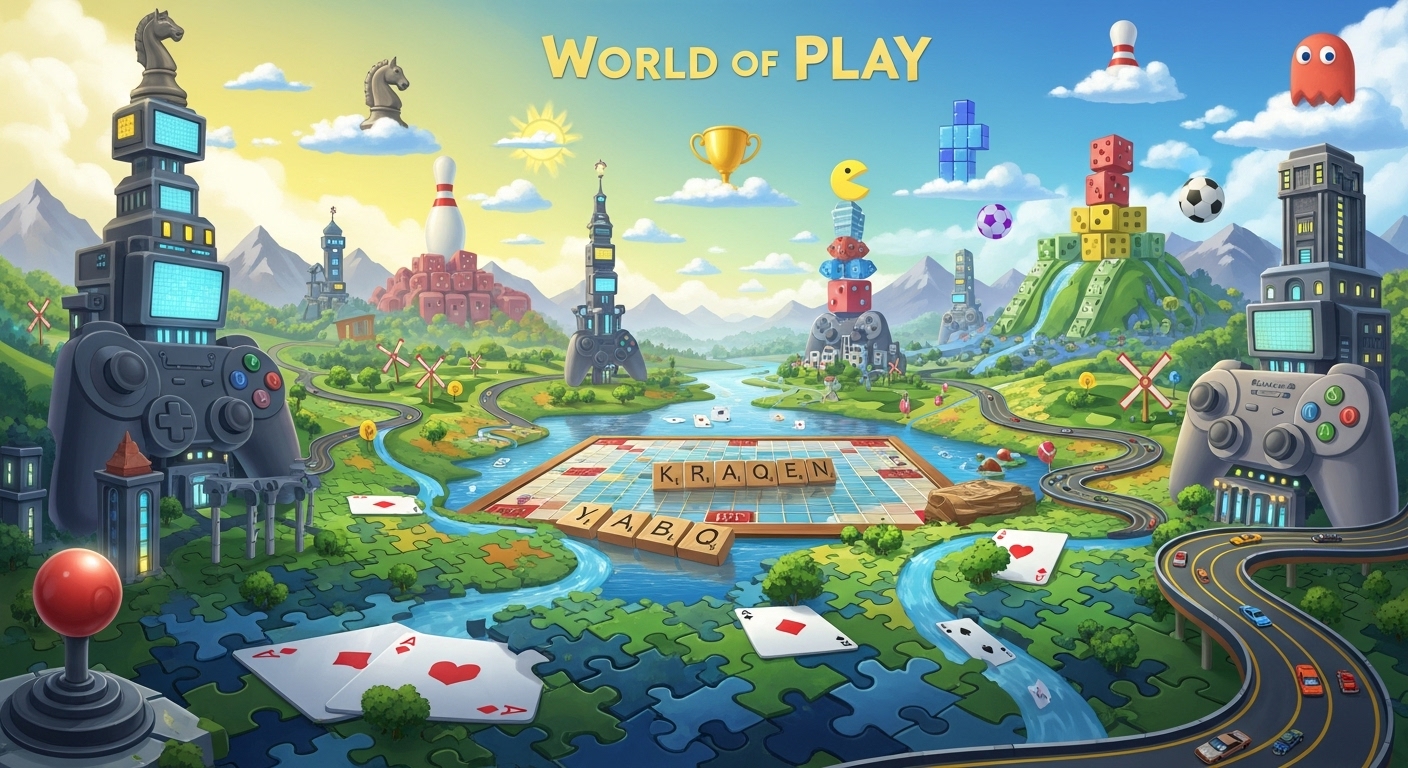
Games are often dismissed as mere pastimes, activities reserved for leisure or childhood. Yet, the truth is far more complex. Games are a reflection of human creativity, strategy, and social connection. They entertain, challenge, educate, and inspire millions of people worldwide. Whether digital or physical, competitive or casual, games have evolved into a significant part of modern culture, influencing everything from social interactions to technological innovation. In a rapidly changing world, games serve not only as a source of entertainment but also as a window into human behavior, teamwork, and innovation.
The Evolution of Games Through History
Games have existed for thousands of years. Ancient civilizations created board games like Senet in Egypt and Go in China, using them not only for entertainment but also for teaching strategy and logic. These early games were often closely tied to cultural values, rituals, and education. With time, games diversified, incorporating physical activity, storytelling, and imagination.
The 20th century brought video games, a transformative innovation that redefined the meaning of play. From simple pixelated graphics to immersive 3D worlds, video games evolved into complex experiences that combined art, storytelling, and technology. Today, the gaming industry rivals cinema and music in revenue and influence, demonstrating that games are not just hobbies but significant cultural and economic forces.
The Psychological Benefits of Gaming
Contrary to some outdated stereotypes, games offer a range of psychological benefits. Strategic games like chess or real-time strategy video games enhance problem-solving skills, memory, and decision-making. Puzzle and role-playing games stimulate creativity and critical thinking. Even competitive sports and multiplayer games develop social skills, teamwork, and resilience.
Gaming also provides emotional benefits. It can act as a stress reliever, offering an escape from daily pressures while simultaneously challenging the mind. The satisfaction of completing a difficult level, winning a match, or mastering a new skill releases dopamine, giving players a sense of accomplishment. Far from being purely recreational, games are tools for mental stimulation and emotional balance.
Video Games: The New Frontier of Storytelling
Modern video games are more than just interactive challenges; they are immersive narratives. Games like role-playing adventures or story-driven simulations allow players to experience elaborate plots, make moral choices, and form emotional connections with characters. Unlike books or movies, games give players agency, letting them shape outcomes and explore alternative realities.
This level of engagement has transformed games into a powerful storytelling medium. Players don’t just watch or read a story—they live it. The ability to experience consequences, explore multiple perspectives, and interact with virtual worlds fosters empathy and emotional intelligence, making games a unique form of narrative art.
Social Connectivity Through Gaming
Games are increasingly social experiences. Multiplayer online games, esports, and mobile gaming communities bring people together across continents. These platforms allow players to communicate, collaborate, and compete in real time. Friendships are forged, teamwork is developed, and shared victories create a sense of belonging.
Social connectivity in gaming extends beyond casual play. Competitive gaming, or esports, has created global communities and professional careers. Teams, leagues, and tournaments bring together millions of fans, generating excitement similar to traditional sports. Games have thus evolved into social hubs where relationships, culture, and competition intersect.
The Educational Potential of Games
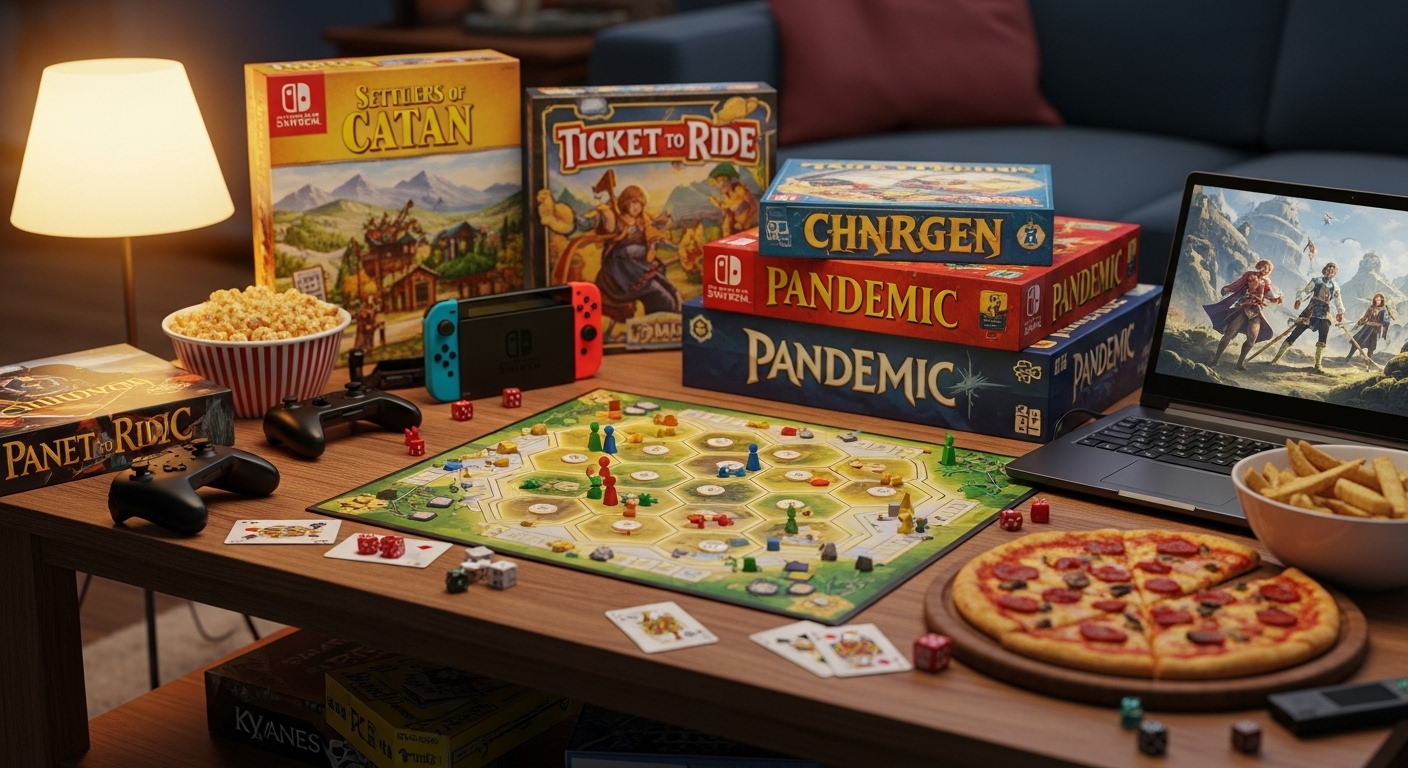
Education and gaming have increasingly intersected in meaningful ways. Gamified learning platforms use game mechanics to motivate students, turning lessons into engaging challenges. Simulation games allow learners to practice real-world skills safely, from flying airplanes to managing cities. Even traditional board games can teach mathematics, logic, and social skills.
Games also foster soft skills such as persistence, adaptability, and strategic thinking. Unlike conventional methods, games make learning interactive, enjoyable, and memorable. This educational potential demonstrates that games are not mere distractions—they are powerful tools for growth and development.
Physical Games and Sports: Beyond Screens
While digital games dominate modern entertainment, physical games and sports remain essential. Team sports like football, basketball, or volleyball promote fitness, coordination, and cooperation. Recreational activities such as hiking, cycling, or parkour combine physical exertion with fun, fostering both health and enjoyment.
Physical games provide a different kind of engagement than video games. They require real-world interaction, immediate decision-making, and bodily skill. For children, sports teach discipline, fair play, and teamwork. For adults, they offer stress relief, social bonding, and a sense of achievement. The enduring popularity of sports demonstrates that play is an intrinsic human need, extending far beyond digital realms.
The Role of Technology in Modern Gaming
Technology has transformed the gaming experience in unprecedented ways. Virtual reality (VR) and augmented reality (AR) immerse players in lifelike worlds, making games feel tangible and interactive. Artificial intelligence enables adaptive challenges, personalizing gameplay to suit individual skill levels. Streaming platforms allow players to share experiences globally, creating dynamic communities around shared interests.
Moreover, mobile technology has made games accessible to billions of people, breaking barriers of location, device, and skill. Gaming is no longer limited to consoles or PCs; it is a portable, versatile, and inclusive form of entertainment. This technological evolution ensures that games will continue to shape culture and innovation for decades to come.
Competitive Gaming and Esports
Esports is one of the most visible examples of gaming’s cultural impact. Professional players compete in tournaments watched by millions worldwide. Games like League of Legends, Dota 2, and Counter-Strike have transformed competitive gaming into a legitimate sport with sponsorships, leagues, and prize pools rivaling traditional athletics.
Esports has also challenged societal perceptions of gaming. It emphasizes skill, strategy, and dedication, showing that gaming is not just recreation but a serious pursuit. Additionally, it creates career opportunities in coaching, broadcasting, event management, and content creation, proving that the gaming industry is a multifaceted ecosystem.
Games as a Reflection of Society
Games are mirrors of the societies that create them. They reflect cultural values, explore social issues, and provide commentary on human behavior. Many games address themes like ethics, politics, and environmental concerns, offering players opportunities to engage with real-world topics in a controlled environment.
Moreover, diverse representation in games is gradually improving. Developers are creating characters from varied backgrounds, promoting inclusivity and empathy. By simulating different experiences, games help players understand perspectives beyond their own, fostering cultural awareness and social understanding.
Challenges and Controversies in Gaming
Despite its many benefits, gaming is not without challenges. Addiction, excessive screen time, and exposure to toxic behavior in online communities are real concerns. Developers and communities are increasingly aware of these issues, implementing measures such as parental controls, reporting systems, and time management tools.
Balancing entertainment and responsibility is crucial. Players need guidance and self-awareness to ensure gaming remains positive, while developers must consider ethical implications of design choices. These challenges highlight the complexity of games as both cultural products and psychological experiences.
The Future of Gaming
The future of gaming promises innovation and expansion. Advances in technology, artificial intelligence, and immersive media will continue to redefine what games can be. Cloud gaming will make high-quality experiences accessible anywhere, and VR/AR will deepen immersion. Educational, social, and professional applications of games will grow alongside entertainment.
Ultimately, games will continue to serve their core purpose: to engage, challenge, and connect people. Their evolution is a testament to human creativity, curiosity, and the desire for meaningful play. As long as humans seek adventure, mastery, and connection, games will remain a central part of life.
Conclusion: Embracing the Power of Play
Games are far more than hobbies or distractions. They are tools for learning, sources of joy, platforms for social connection, and reflections of culture. From ancient board games to cutting-edge virtual reality experiences, games evolve with society while remaining rooted in fundamental human needs: creativity, challenge, and collaboration.
In a world that often emphasizes work and productivity, games remind us of the value of play. They teach strategy, resilience, and empathy while providing fun and relaxation. Embracing gaming is not about escaping life but enriching it, offering experiences that challenge the mind, nurture the spirit, and connect people across time, space, and culture.
Games are not just entertainment—they are a celebration of human imagination, intelligence, and connection. In playing, we discover not only worlds beyond our own but also the best parts of ourselves.