
Introduction
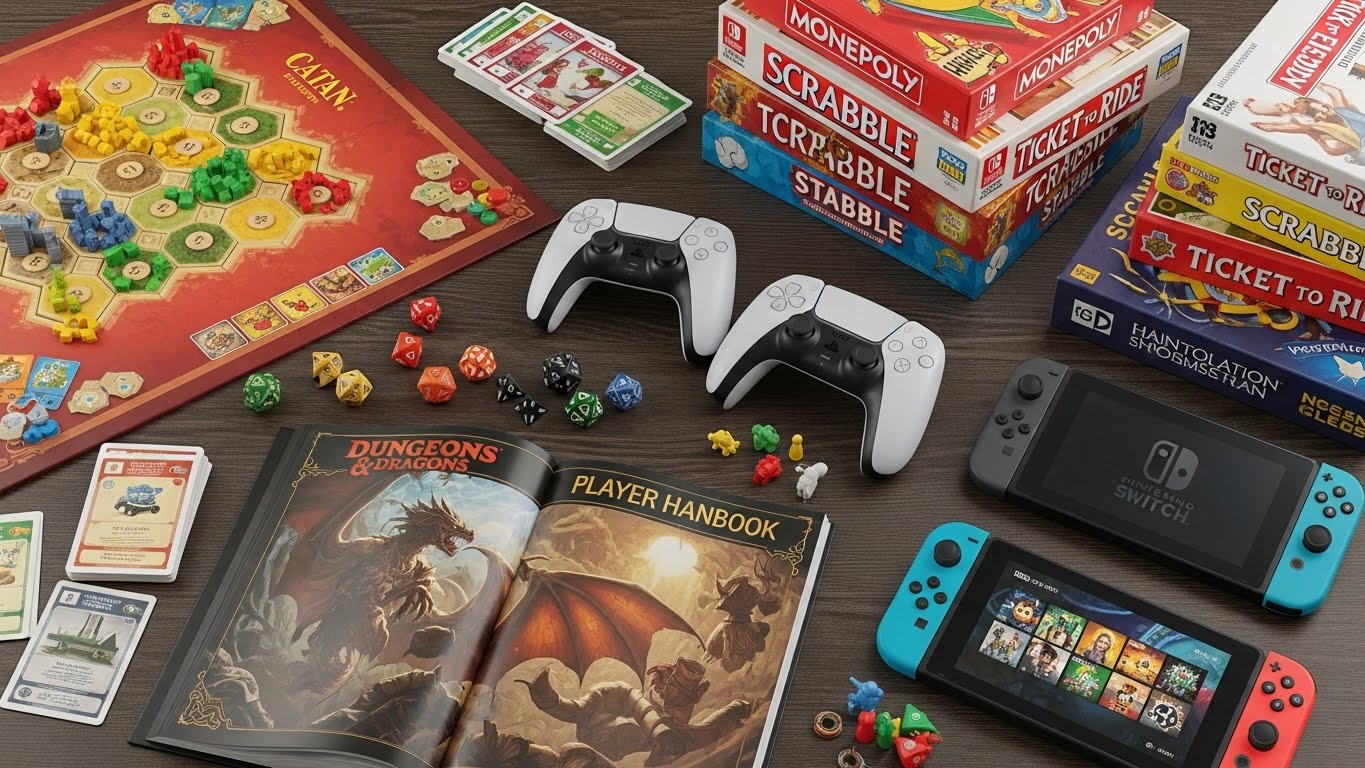
Games are an essential part of human history, culture, and entertainment. From simple board games played in ancient civilizations to highly immersive digital experiences today, games provide joy, challenge, and connection. They serve as a platform for creativity, social interaction, education, and competition. The evolution of games reflects technological advancements, cultural shifts, and societal values. This article explores the history of games, their cultural significance, the impact of digital transformation, and the way games continue to influence modern life.
The Origins of Games
Games have existed for thousands of years, with some of the earliest evidence found in Ancient Egypt, Mesopotamia, and China. Board games like Senet in Egypt and Go in China were not only forms of entertainment but also tools for strategy, learning, and socialization. Games were often linked to rituals, religion, and social status, serving as reflections of societal structures.
Throughout history, games evolved to meet cultural and recreational needs. Chess, originating in India, spread across the globe and became a symbol of strategy and intellect. Dice games, card games, and outdoor sports allowed individuals to test skill, luck, and strategy. These early games laid the foundation for modern gaming traditions and competitive formats.
Games as Cultural and Social Tools
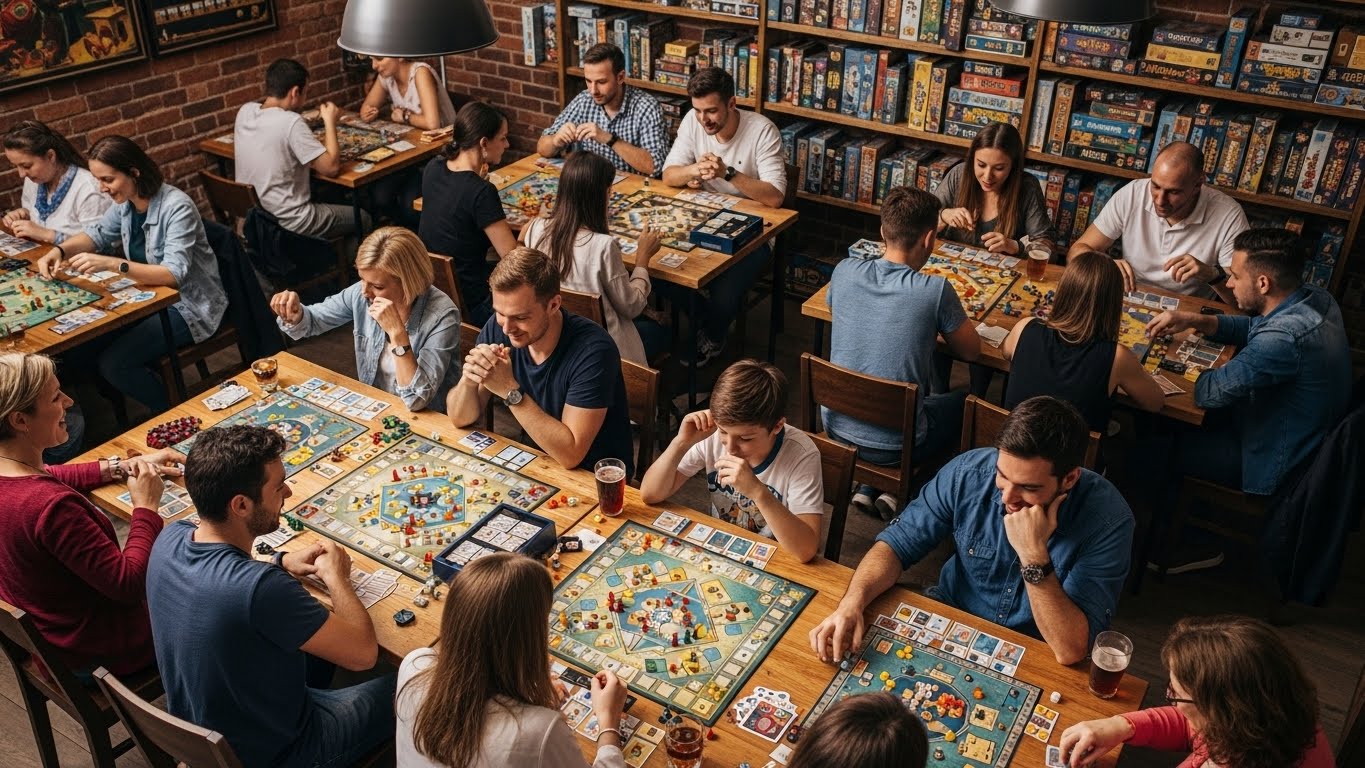
Games play a crucial role in shaping culture and fostering social bonds. They bring people together, encourage teamwork, and develop problem-solving skills. Social games, both traditional and digital, create communities where players share experiences, strategies, and achievements.
Beyond entertainment, games reflect societal norms, values, and beliefs. They can serve as educational tools, teaching history, ethics, logic, and critical thinking. Games also provide a safe space for exploring challenges, decision-making, and consequences, making them powerful instruments for learning and personal growth.
The Evolution of Video Games
The rise of digital technology transformed games into an entirely new medium. The late 20th century saw the advent of video games, starting with simple arcade titles such as Pong and Space Invaders. Home consoles like the Nintendo Entertainment System and Sega Genesis brought gaming into households worldwide, creating iconic franchises and characters that remain popular today.
PC gaming developed simultaneously, offering genres such as strategy, simulation, and role-playing games. Titles like SimCity and Warcraft provided immersive experiences that combined storytelling, strategy, and interactivity. The gaming industry evolved rapidly, integrating advanced graphics, complex narratives, and interactive gameplay to engage audiences on multiple levels.
The Impact of Multiplayer and Online Gaming
Online multiplayer gaming revolutionized how people interact with games. The internet allowed players to connect globally, compete in real time, and collaborate on shared objectives. Games like World of Warcraft, Counter-Strike, and League of Legends established communities where teamwork, strategy, and communication were essential for success.
Online gaming also fostered social bonds, allowing players to make friends, form teams, and participate in global competitions. Streaming and live broadcasting platforms enabled audiences to watch games, learn strategies, and engage with players, creating interactive entertainment experiences that extend beyond the game itself.
Esports: Competitive Gaming as a Global Phenomenon
Esports has elevated games from casual entertainment to professional competition. Competitive gaming leagues and tournaments attract millions of viewers, offering prize money, sponsorships, and global recognition. Games such as Dota 2, Fortnite, and Call of Duty have professional leagues with structured teams, coaches, analysts, and dedicated training facilities.
Professional gamers demonstrate skill, strategy, and discipline comparable to traditional athletes. Esports tournaments are global spectacles, combining high-level competition with entertainment, fan engagement, and cultural influence. The rise of esports underscores the legitimacy of gaming as both a profession and a cultural phenomenon.
The Role of Games in Education
Games have become powerful educational tools. Educational games engage students in interactive learning, teaching subjects such as mathematics, history, language, and science through gameplay. Gamification—applying game mechanics like rewards, levels, and challenges to education—enhances motivation and engagement, making learning more enjoyable and effective.
Simulations and strategy games help develop problem-solving, decision-making, and critical thinking skills. Virtual reality and augmented reality games provide immersive experiences that teach practical skills, from surgical procedures to architectural design. Games bridge the gap between entertainment and education, making learning interactive and memorable.
The Technological Innovations Shaping Gaming
Technological advancements have transformed games into complex, immersive experiences. High-definition graphics, realistic physics engines, and advanced artificial intelligence create environments that respond dynamically to player actions. Virtual reality and augmented reality provide unprecedented immersion, allowing players to interact physically with digital worlds.
Cloud gaming and streaming platforms have made high-quality games accessible without expensive hardware, expanding the audience globally. Artificial intelligence enables adaptive gameplay, realistic opponents, and procedurally generated content, enhancing replayability and engagement. The integration of technology ensures that gaming continues to evolve as an innovative and captivating medium.
Games as Cultural Narratives
Modern games are not just entertainment—they are storytelling platforms. Narrative-driven games allow players to explore complex worlds, characters, and moral dilemmas. Role-playing games, adventure titles, and open-world experiences provide opportunities for exploration, creativity, and personal expression.
Games reflect societal themes, ethics, and challenges, offering players a medium to experience different perspectives. They can explore issues such as leadership, conflict resolution, social justice, and cooperation in immersive and interactive ways. As storytelling tools, games are becoming an integral part of contemporary culture.
The Social Impact of Gaming
Gaming fosters social interaction and community building. Multiplayer games, online communities, and cooperative challenges allow players to collaborate, compete, and form lasting friendships. Social games help individuals develop communication skills, teamwork, and resilience, bridging distances and connecting people from diverse backgrounds.
Gaming culture also influences fashion, language, music, and media. Cosplay, fan art, and online content creation showcase creativity inspired by games, extending their impact beyond the screen. The social dimension of gaming reinforces its role as a powerful cultural and recreational activity.
Mobile Gaming and Accessibility
Mobile games have made gaming more accessible than ever. Smartphones and tablets allow people to play anywhere, anytime, expanding the audience to casual gamers and new demographics. Mobile gaming introduces simple yet engaging mechanics, appealing to players of all ages and skill levels.
Games like Clash of Clans, Candy Crush, and mobile adaptations of popular franchises provide both casual enjoyment and competitive experiences. Mobile gaming has also created new economic opportunities through in-app purchases, advertising, and competitive mobile esports, demonstrating its global influence.
Diversity and Inclusion in Games
The gaming industry is increasingly embracing diversity and inclusion. Developers are creating games that represent different cultures, genders, and abilities, ensuring a more inclusive gaming experience. Representation in games fosters empathy, understanding, and engagement among players.
Communities and professional organizations are actively promoting inclusivity, creating opportunities for underrepresented groups to participate in gaming and esports. Inclusive design and diverse narratives enhance the cultural richness of games, making the industry more reflective of global society.
Challenges in Gaming
Despite its growth and popularity, gaming faces challenges. Excessive screen time, addiction, online harassment, and privacy concerns pose risks for players. Toxic behavior in online communities can undermine the social and recreational benefits of gaming.
Industry stakeholders, including developers, parents, educators, and policymakers, play a vital role in promoting safe, responsible, and ethical gaming practices. Balancing engagement with well-being ensures that games continue to provide positive experiences for players worldwide.
The Future of Games
The future of gaming promises continued innovation, immersion, and cultural influence. Virtual reality, augmented reality, and artificial intelligence will create new levels of interactivity and realism. Cross-platform play, social integration, and cloud-based solutions will make gaming more accessible and interconnected.
Games will continue to expand into education, entertainment, and professional sectors, offering immersive experiences, training simulations, and collaborative platforms. Esports and professional gaming will grow, inspiring new careers and global fan communities. The convergence of technology, creativity, and storytelling ensures that games will remain central to human culture and entertainment.
Conclusion
Games are more than a form of entertainment—they are a reflection of human creativity, culture, and innovation. From ancient board games to modern digital experiences, games foster learning, social interaction, cultural expression, and professional opportunities.
Gaming connects people across the world, providing platforms for competition, collaboration, and storytelling. It has become a cultural phenomenon that influences society, technology, and economics. As technology continues to advance, games will evolve further, creating immersive experiences, expanding communities, and shaping the future of entertainment.
The world of games demonstrates the power of play to inspire, educate, and unite. Its growth and impact highlight that gaming is not just a pastime—it is a transformative medium that continues to redefine culture and human experience.