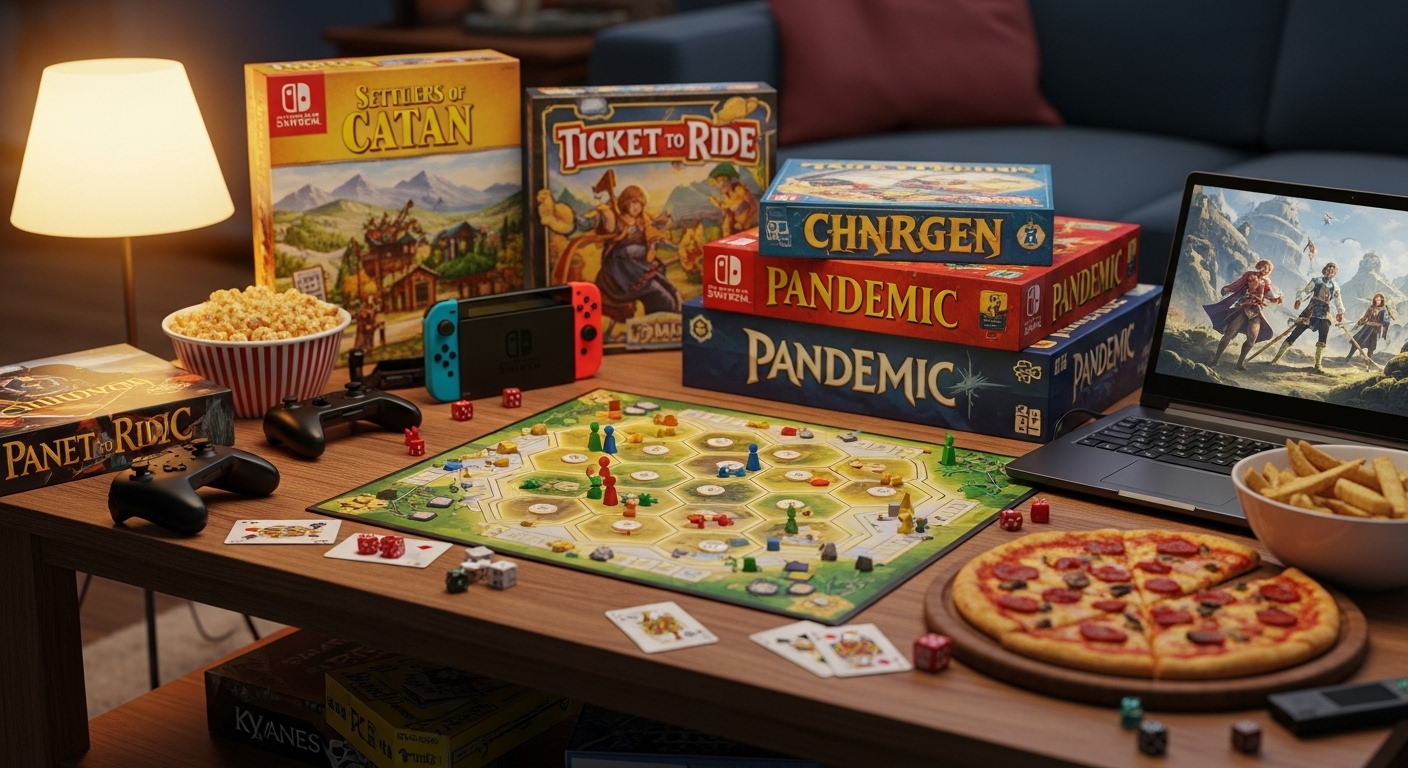

Gaming, once considered a niche hobby, has evolved into a multi-billion-dollar industry, impacting millions of lives worldwide. From the pixelated simplicity of early arcade games to the immersive, hyper-realistic worlds we explore today, the journey of video games has been nothing short of revolutionary. In this blog post, we will take a closer look at the evolution of gaming, explore the trends that have shaped its development, and consider its impact on culture, society, and technology.
The Beginnings: From Pong to the First Consoles
The history of gaming dates back to the early 1950s when computer scientists began experimenting with interactive entertainment. However, it wasn’t until the 1970s that gaming began to take shape as a form of mass entertainment. One of the earliest examples of video games in the public domain was Pong, created by Atari founder Nolan Bushnell in 1972. Pong, a simple two-dimensional tennis simulation, marked the dawn of the arcade gaming era and captured the attention of millions.
The 1970s and early 1980s saw the rise of arcade gaming, with iconic games like Space Invaders (1978) and Pac-Man (1980) dominating the scene. These arcade machines became gathering spots for gamers, allowing them to compete for high scores and interact with each other. As the demand for home gaming systems grew, companies like Atari, Nintendo, and Sega began developing consoles that could bring the arcade experience directly to consumers’ living rooms.
The launch of the Atari 2600 in 1977 revolutionized the gaming industry by allowing players to enjoy a variety of games from the comfort of their homes. This marked the beginning of the home console era, setting the stage for the expansion of gaming into households worldwide.
The Rise of 16-Bit and 32-Bit Consoles
The next major leap in the gaming world occurred in the 1990s when the industry saw the arrival of 16-bit and 32-bit consoles. These systems offered vastly improved graphics and sound, pushing the boundaries of what video games could achieve. The most notable consoles during this era were the Super Nintendo Entertainment System (SNES) and the Sega Genesis, which brought games like Super Mario World and Sonic the Hedgehog into the homes of millions.
At the same time, Sony’s PlayStation was launched in 1994, marking the beginning of a new era in gaming. The PlayStation’s introduction of 3D graphics and CD-ROM technology allowed developers to create expansive worlds and intricate gameplay mechanics. Titles like Final Fantasy VII, Gran Turismo, and Metal Gear Solid became iconic, offering players more complex narratives and lifelike graphics than ever before.
The 1990s also saw the rise of PC gaming, with titles like Doom, Warcraft, and Quake paving the way for online multiplayer gaming. As internet speeds improved, PC gamers were able to connect with players from all over the world, creating a global gaming community that continues to thrive today.
The Transition to HD and Online Gaming
The early 2000s marked the transition from standard-definition graphics to high-definition (HD) visuals, further blurring the lines between gaming and reality. Consoles like the Xbox 360, PlayStation 3, and Nintendo Wii pushed gaming into new territory, offering better graphics, advanced physics engines, and more immersive gameplay experiences.
One of the defining features of this generation was the introduction of online multiplayer gaming, allowing players to connect with friends and strangers across the globe. The rise of Xbox Live and PlayStation Network brought people together in new ways, creating virtual communities and online competition. Games like Halo 3, Call of Duty 4: Modern Warfare, and World of Warcraft became cultural phenomena, with millions of players logging in every day to experience multiplayer battles, raids, and cooperative missions.
The Wii’s motion-sensing controls also introduced a new way to interact with games, appealing to a broader audience beyond traditional gamers. The Wii’s success demonstrated that gaming was no longer limited to a specific demographic but could be enjoyed by people of all ages and backgrounds.
The Age of Graphics and Immersion
As the 2010s approached, gaming technology continued to evolve at a rapid pace. Consoles like the Xbox One, PlayStation 4, and PC gaming systems brought 4K resolution, HDR support, and advanced AI to the forefront, further enhancing the visual and immersive quality of games. These platforms allowed developers to create vast, open-world games that featured lifelike environments, dynamic weather systems, and interactive narratives.
Games like The Elder Scrolls V: Skyrim, The Witcher 3: Wild Hunt, and Red Dead Redemption 2 became masterpieces of storytelling and world-building, offering players an unprecedented level of detail and freedom. The line between video games and other forms of media, such as movies and TV shows, continued to blur, as developers employed cinematic techniques to craft compelling narratives.
Moreover, the proliferation of virtual reality (VR) began to reshape the way players interact with games. Devices like the Oculus Rift, HTC Vive, and PlayStation VR opened up new possibilities for immersion, allowing players to step directly into the worlds of their favorite games. While VR gaming is still in its infancy, it’s clear that this technology has the potential to revolutionize the gaming experience in the coming years.
Mobile Gaming: A New Frontier
In addition to console and PC gaming, mobile gaming has become a dominant force in the industry. With the advent of smartphones and tablets, millions of players now have access to gaming on the go. Titles like Angry Birds, Candy Crush Saga, and Pokémon GO have become cultural touchstones, attracting players who may not have traditionally considered themselves gamers.
The rise of mobile gaming has also led to the development of new monetization strategies, such as in-app purchases, subscriptions, and ad-based revenue models. While this has sparked some controversy over the ethics of microtransactions, mobile gaming remains an important part of the broader gaming ecosystem.
Additionally, cloud gaming services like Google Stadia, Nvidia GeForce Now, and Xbox Cloud Gaming have allowed players to stream games directly to their devices without the need for expensive hardware. These platforms represent the future of gaming, as they make high-quality gaming experiences more accessible to people around the world.
The Social and Cultural Impact of Gaming
Gaming has evolved from a solitary activity into a social experience, with millions of people connecting online to play, chat, and share their experiences. This shift has not only changed the way we play but also how we perceive the role of games in our lives.
Gaming as a Form of Social Interaction
The rise of online multiplayer games has created virtual communities where players can form friendships, join guilds, and engage in cooperative gameplay. Games like Fortnite, League of Legends, and Among Us have become global phenomena, bringing people together from different countries and cultures to compete, collaborate, and create shared experiences.
Gaming has also become a platform for live streaming and eSports, where professional gamers and content creators can showcase their skills to millions of viewers. Platforms like Twitch, YouTube, and TikTok have allowed gamers to build massive followings and turn gaming into a viable career option. eSports tournaments, such as The International (Dota 2) and the League of Legends World Championship, have become major events that attract global audiences, with prize pools reaching millions of dollars.
The Role of Games in Storytelling
One of the most significant cultural contributions of gaming is its ability to tell complex, interactive stories. Unlike traditional forms of media, video games allow players to actively shape the narrative through their choices and actions. Games like The Last of Us, Heavy Rain, and Mass Effect have proven that video games can be as emotionally resonant and thought-provoking as films and literature.
Moreover, the inclusion of diverse characters, narratives, and settings in games has allowed gaming to become a more inclusive and representative medium. Games like The Sims, Celeste, and Overwatch have introduced diverse characters and themes, reflecting a broader range of experiences and perspectives. This shift toward inclusivity has made gaming more accessible and relevant to a wider audience.
The Potential for Education and Learning
Beyond entertainment, gaming has also found a place in education and training. Serious games, designed for educational purposes, can help students learn new skills in subjects like math, science, history, and even social studies. Games like Minecraft Education Edition and Kerbal Space Program have been used in classrooms to engage students and promote creative problem-solving.
In the professional world, simulation games and virtual environments are used to train people in fields ranging from medicine to military operations. For example, Flight simulators have been used by pilots for decades, and virtual surgery training programs allow medical professionals to practice complex procedures in a safe, controlled environment.
The Future of Gaming: What’s Next?
As we look toward the future of gaming, there are several emerging technologies and trends that could reshape the industry once again. Some of these include:
1. Artificial Intelligence and Procedural Generation
Artificial intelligence (AI) is playing an increasingly important role in game development, allowing for more dynamic, responsive gameplay. AI can create intelligent non-playable characters (NPCs) that adapt to a player’s actions, providing a more immersive and challenging experience. Additionally, procedural generation techniques are being used