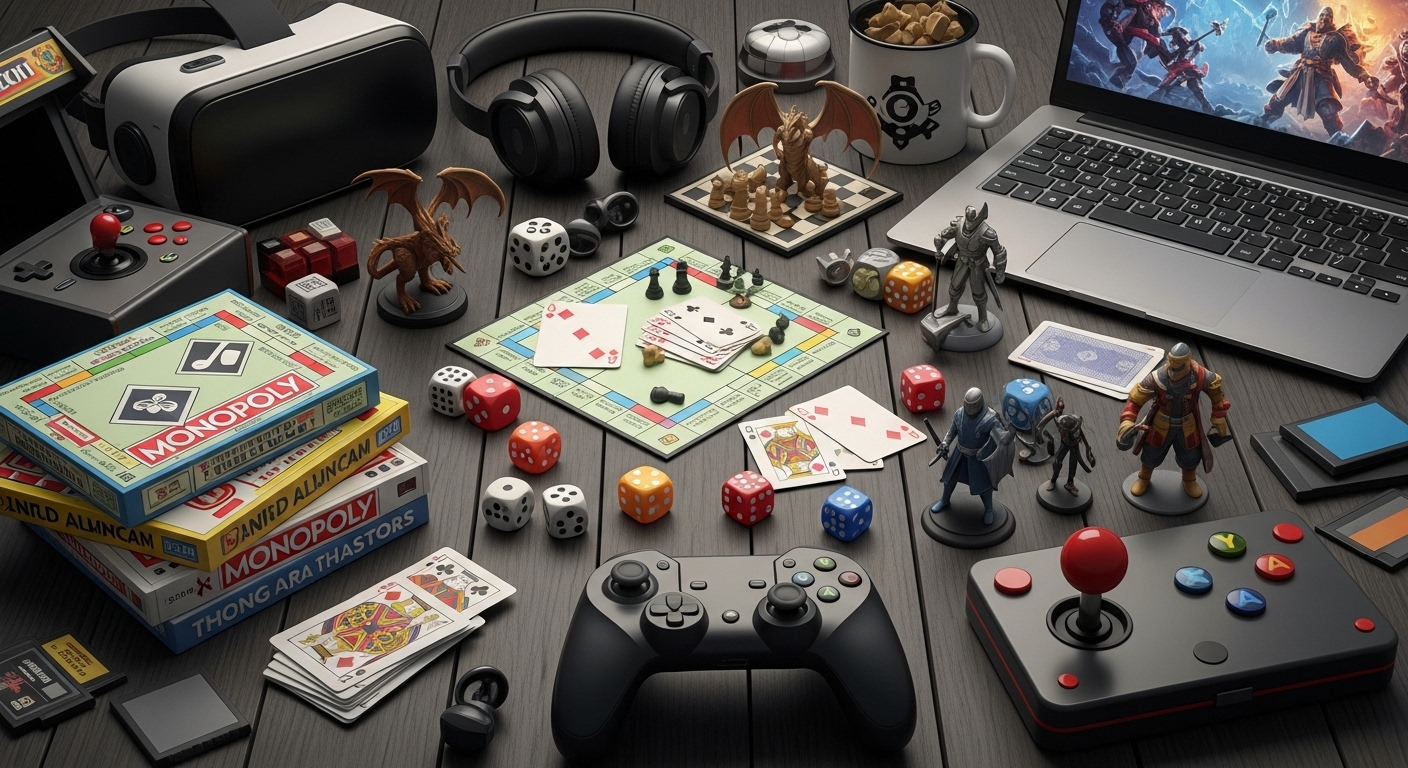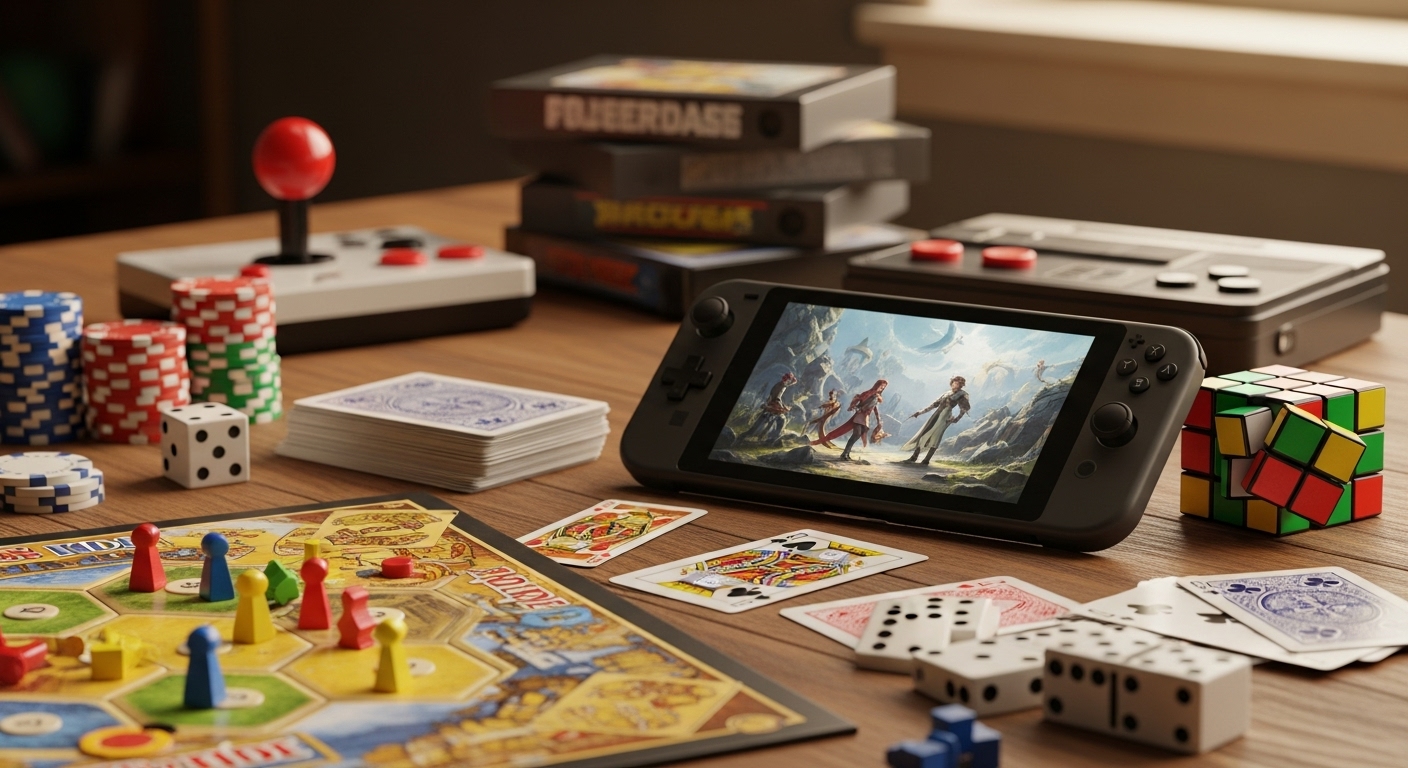
Games have always been a natural part of human life. From childhood play to complex digital worlds, games offer joy, challenge, competition, and creativity. They are more than entertainment; they shape how people think, interact, and learn. Over time, games have evolved from simple physical and board-based activities into immersive digital experiences that connect millions across the globe. This blog explores the journey of games, their impact on individuals and society, and their growing role in culture and innovation.
The Early History of Games
Games existed long before technology. Ancient civilizations created games to pass time, teach skills, and strengthen social bonds. Board games like chess, checkers, and ancient strategy games were designed to sharpen the mind and teach patience, planning, and foresight. Physical games and traditional sports helped develop strength, coordination, and teamwork.
In many cultures, games were closely linked to rituals and education. Children learned social rules, cooperation, and competition through play. These early games formed the foundation for modern gaming, proving that play has always been essential to human development and expression.
Games as a Universal Form of Entertainment
Games appeal to people of all ages because they offer active participation rather than passive observation. Unlike movies or books, games place players at the center of the experience. Every choice, action, and decision can influence the outcome, making each session unique.
Whether it is a casual mobile game, a board game with friends, or a large-scale digital adventure, games provide excitement and engagement. They allow players to relax, escape daily stress, and immerse themselves in imaginative worlds. This interactive nature is what makes games one of the most powerful forms of entertainment today.
The Rise of Digital and Video Games
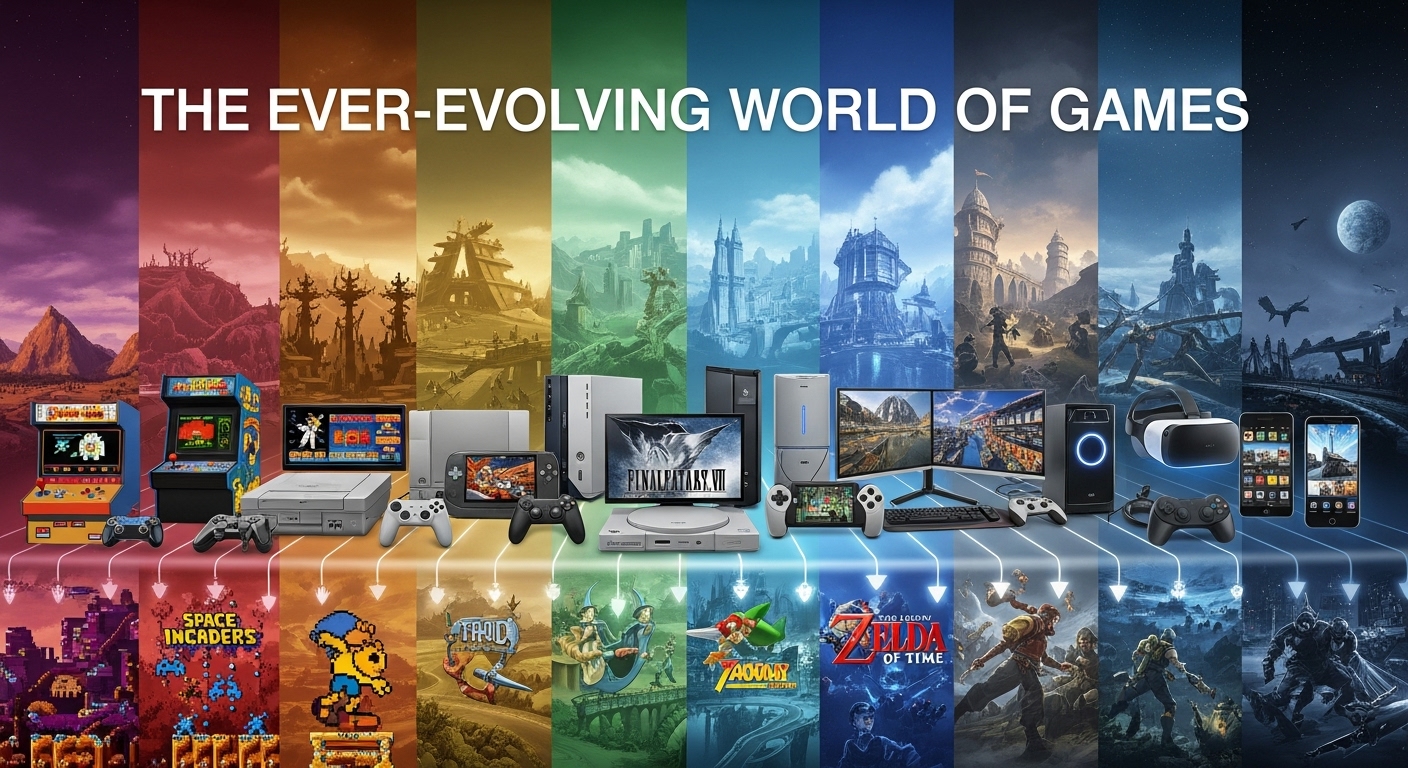
The introduction of video games marked a major shift in how people play. Early arcade games were simple but revolutionary, capturing attention with bright visuals and competitive gameplay. As technology advanced, home consoles and personal computers made gaming more accessible, turning it into a household activity.
Modern video games now feature detailed graphics, complex stories, and expansive worlds. Genres range from action and adventure to simulation, strategy, and role-playing. Online connectivity allows players to compete or cooperate with others worldwide, creating global gaming communities. Video games have become a dominant force in entertainment, rivaling film and music industries in popularity and influence.
Board Games and Traditional Play in the Modern Age
Despite the growth of digital gaming, traditional games remain highly relevant. Board games, card games, and tabletop role-playing games continue to thrive, especially among families and social groups. These games promote face-to-face interaction, communication, and teamwork.
Modern board games often feature deep strategy, storytelling, and creative design. They encourage critical thinking and collaboration while providing a break from screens. Traditional games remind players of the social joy of shared experiences and human connection.
Games and Social Interaction
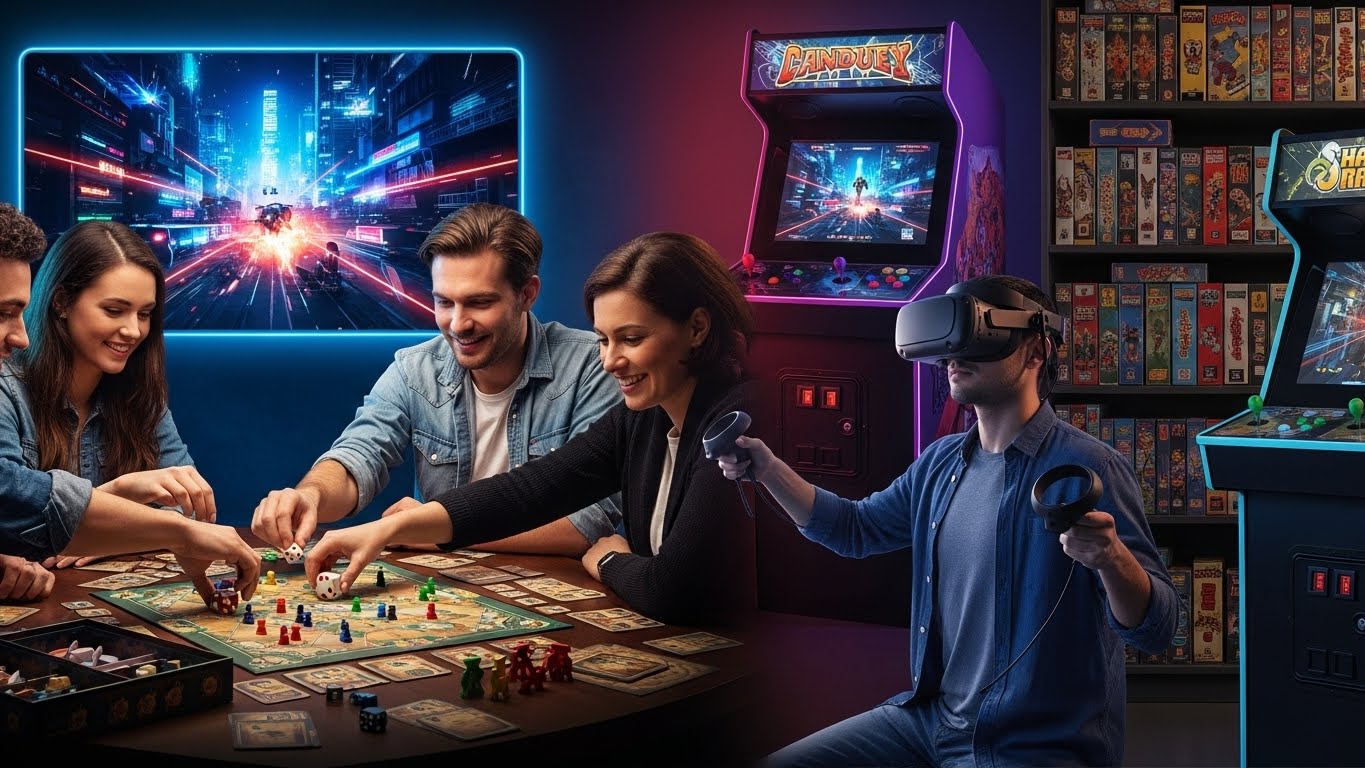
Games play a powerful role in bringing people together. Multiplayer games encourage cooperation, competition, and communication. Players form friendships, teams, and communities based on shared interests and goals.
Online games allow people from different cultures and backgrounds to interact, exchange ideas, and build relationships. Cooperative gameplay teaches trust and coordination, while competitive games promote discipline and strategic thinking. Games have become social spaces where people connect, communicate, and collaborate in meaningful ways.
Competitive Gaming and the Growth of Esports
Competitive gaming has transformed games into professional pursuits. Esports allows skilled players to compete at high levels, showcasing talent, strategy, and teamwork. Tournaments attract massive audiences, and professional players dedicate years to training and improvement.
Esports has created new career opportunities beyond playing, including coaching, analysis, broadcasting, and event management. It has also changed public perception of gaming, proving that games require dedication, intelligence, and discipline. Competitive gaming continues to grow, influencing entertainment and sports culture worldwide.
Technology and Innovation in Games
Technology is the driving force behind modern gaming. Advances in graphics, sound design, and artificial intelligence have created immersive and realistic experiences. Game worlds feel alive, responding dynamically to player choices and actions.
Virtual reality and augmented reality introduce new ways to experience games, placing players inside digital environments. Mobile gaming and cloud-based platforms have increased accessibility, allowing people to play high-quality games without expensive hardware. Technology ensures that gaming continues to evolve, pushing creative and technical boundaries.
Cognitive and Educational Benefits of Games
Games offer more than entertainment; they also support learning and mental development. Strategy games enhance planning and problem-solving skills. Puzzle games improve memory, logic, and attention. Simulation games teach resource management and decision-making.
Educational games are increasingly used in schools and training programs to make learning interactive and engaging. Games encourage experimentation, creativity, and persistence. They allow players to learn from failure in a safe environment, building resilience and confidence.
Games as Cultural Expression
Games reflect the culture and values of the societies that create them. Stories, characters, music, and visual design often draw inspiration from history, mythology, and real-world issues. Through games, players explore different perspectives, cultures, and moral choices.
Gaming culture has developed its own traditions, language, and creative expressions. Fan art, conventions, cosplay, and online discussions showcase the passion and creativity of gaming communities. Games have become a form of art and storytelling that influences other media and shapes modern culture.
Mental Health and Emotional Impact of Games
Games can have a positive impact on emotional well-being when enjoyed responsibly. They provide relaxation, stress relief, and a sense of achievement. Completing challenges and progressing through levels boosts confidence and motivation.
Games also offer emotional storytelling, allowing players to connect with characters and narratives on a deeper level. Social games reduce feelings of isolation by creating shared experiences and friendships. However, balance is important to ensure gaming remains a healthy and enjoyable activity.
Challenges Within the Gaming World
Despite their benefits, games also present challenges. Excessive gaming can lead to physical strain, reduced social interaction, and mental fatigue. Issues such as online toxicity, unfair monetization, and lack of inclusivity affect player experience.
Developers, communities, and players share responsibility for creating positive gaming environments. Promoting respectful behavior, fair design, and healthy gaming habits is essential for the long-term growth of the industry.
The Future of Games
The future of games is filled with possibilities. Artificial intelligence will enable more personalized and adaptive experiences. Virtual and mixed reality will blur the line between physical and digital play. Cross-platform gaming will allow players to connect seamlessly across devices.
Games will continue expanding into education, healthcare, and social development. As technology advances, games will become more immersive, inclusive, and impactful. They will remain a powerful medium for creativity, learning, and connection.
Conclusion
Games are more than a pastime; they are a reflection of human creativity, curiosity, and desire for connection. From ancient board games to modern digital worlds, games have evolved alongside society, shaping entertainment, culture, and learning.
As technology continues to advance, games will play an even greater role in daily life. They will inspire innovation, bring people together, and offer new ways to explore stories and ideas. Games are not just about winning or losing; they are about experience, expression, and the joy of play that continues to unite people across generations and cultures.