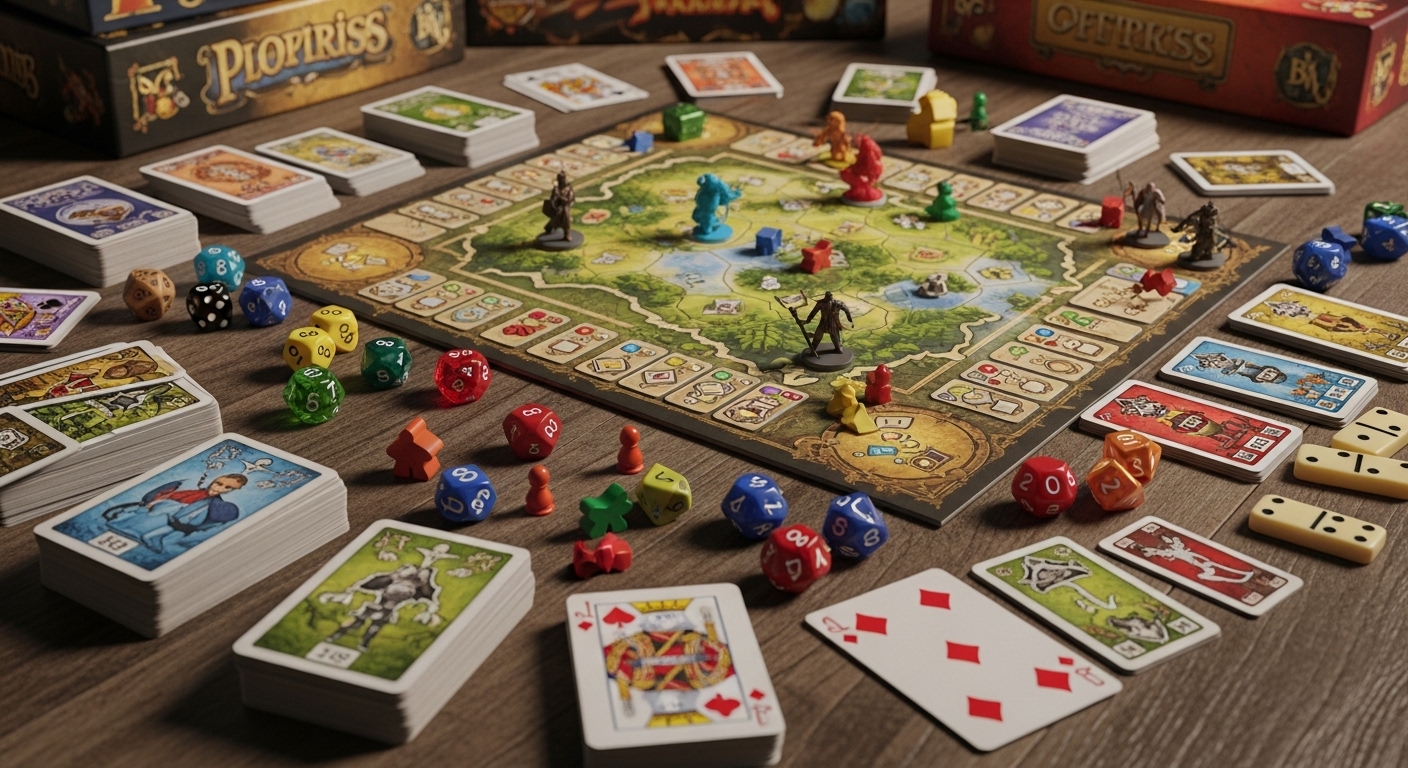
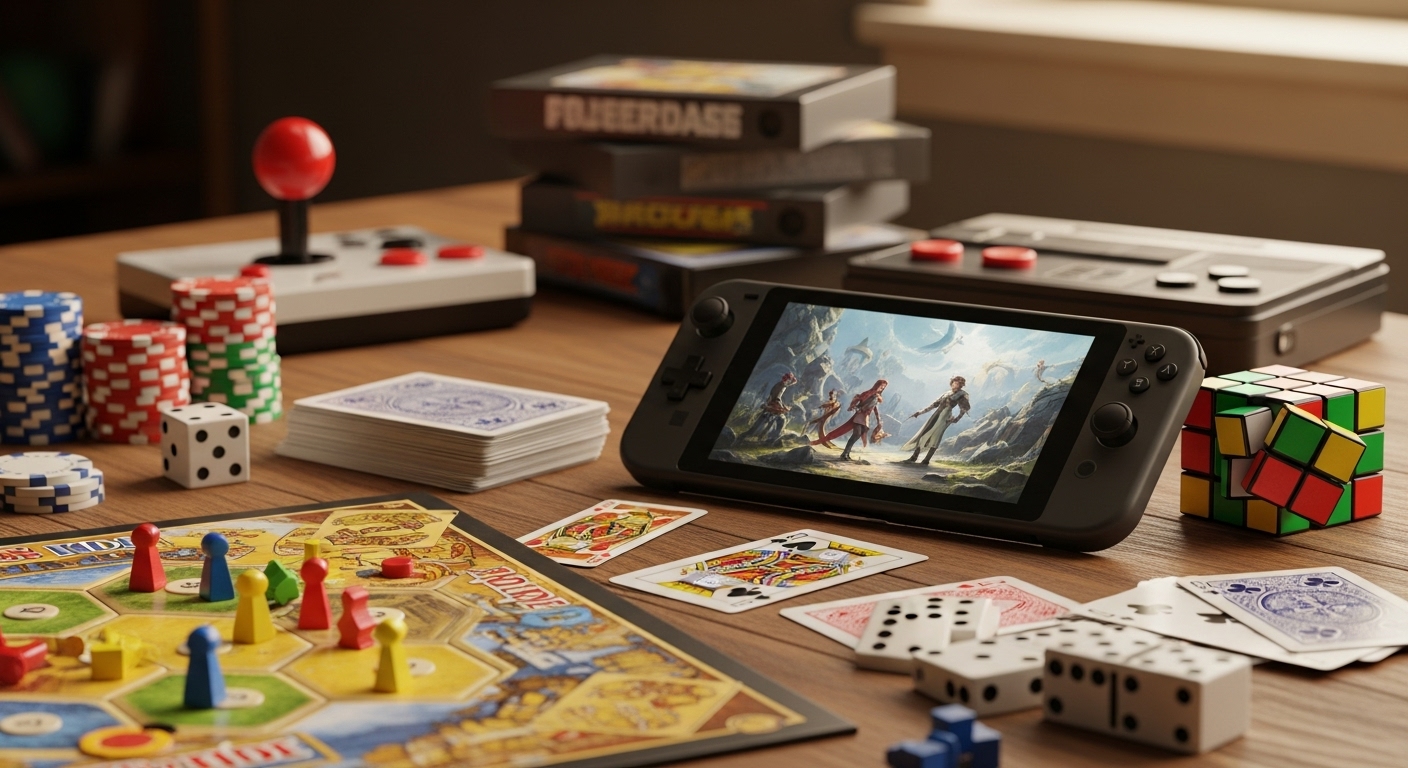
The world of gaming has transformed significantly over the past few decades, evolving from simple arcade machines and home consoles into a global multi-billion-dollar industry that touches every aspect of life. Gaming is no longer just a pastime for a niche group of enthusiasts; it is now a dominant form of entertainment that spans generations, cultures, and demographics. With advancements in technology, game design, and accessibility, the gaming landscape has become more immersive and expansive than ever before. In this blog post, we’ll explore how games have evolved, their current impact on society, and what the future holds for this ever-growing industry.
The Evolution of Gaming: From Simple Pixels to Virtual Worlds
When video games first emerged in the late 20th century, they were a far cry from the highly detailed and complex worlds we now enjoy. In the 1970s and early 1980s, gaming was primarily confined to arcades, with classic titles like Pong and Space Invaders offering simple, pixelated experiences. The graphics were basic, the sound effects were minimal, and gameplay was often limited to a few minutes of action. But this simplicity laid the foundation for what would become a global cultural phenomenon.
The introduction of home consoles in the 1980s, such as the Nintendo Entertainment System (NES), marked a pivotal moment in gaming history. Suddenly, players could enjoy games in the comfort of their own homes, ushering in an era of iconic titles like Super Mario Bros., The Legend of Zelda, and Metroid. These games featured side-scrolling levels, catchy soundtracks, and intricate design, and they set the stage for more advanced gaming experiences.
As technology improved, so did the complexity and depth of video games. The 1990s saw the rise of 3D graphics and open-world gameplay, thanks to consoles like the Sony PlayStation and the Nintendo 64. Games such as Super Mario 64, The Legend of Zelda: Ocarina of Time, and Final Fantasy VII pushed the boundaries of what was possible, offering players vast, interactive worlds filled with memorable characters and intricate storylines.
The dawn of the new millennium brought even greater advancements, with the introduction of high-definition graphics, online multiplayer gaming, and massively multiplayer online games (MMOs). World of Warcraft, Halo 2, and Grand Theft Auto III revolutionized how games were played, offering rich, expansive worlds that could be explored with friends, strangers, or even millions of other players across the globe.
The Rise of Mobile Gaming: Accessibility and Convenience
One of the most significant developments in gaming in the last decade has been the rise of mobile gaming. With the advent of smartphones and tablets, gaming became more accessible than ever before. Mobile devices provided an entirely new platform for developers, and with app stores like the Apple App Store and Google Play, users could easily download and play games at their fingertips.
What sets mobile gaming apart from traditional console and PC gaming is its accessibility. Mobile games are generally much easier to pick up and play for short bursts, making them perfect for people with busy schedules. Games like Candy Crush Saga, Clash of Clans, and Pokémon GO have gained millions of players, many of whom might not consider themselves “gamers” in the traditional sense.
Moreover, mobile gaming has opened the door to more casual and social gaming experiences. Many mobile games incorporate mechanics like leaderboards, in-app purchases, and social features, allowing players to connect with their friends or compete with strangers. The introduction of augmented reality (AR) games like Pokémon GO has also highlighted how mobile gaming can integrate with the real world, blurring the lines between virtual and physical spaces.
The Role of Storytelling in Modern Games
While gaming was once solely focused on mechanics and gameplay, the importance of storytelling in games has grown significantly over the years. Today, many video games offer deeply narrative-driven experiences that rival some of the best films and novels. Titles like The Last of Us, Red Dead Redemption 2, and The Witcher 3: Wild Hunt feature complex characters, engaging plots, and intricate world-building that draw players into their stories in much the same way a good book or movie would.
Story-driven games often explore a wide range of themes, from morality and sacrifice to love and loss. These games offer players the opportunity to make choices that affect the outcome of the story, providing a sense of agency and emotional investment that is unique to the medium. As technology continues to advance, it’s likely that the gap between traditional forms of storytelling (such as film and television) and video games will continue to shrink, with games offering increasingly cinematic experiences.
The Social Aspect of Gaming: Connecting People Across the Globe
One of the most transformative changes in the gaming landscape has been the rise of online multiplayer experiences. Games like Fortnite, Minecraft, and Call of Duty have turned gaming into a social activity, where players can connect with friends or strangers across the globe, engage in cooperative missions, or compete against each other in massive tournaments.
The advent of online gaming has created entire communities dedicated to specific games, where players can communicate through voice chat, share tips, and even stream their gameplay to a global audience. Twitch, the leading platform for live streaming video games, has brought a new dimension to gaming, allowing players to showcase their skills, build fanbases, and even make a living through their streams.
Gaming communities are often deeply supportive, providing a sense of camaraderie and belonging for players, especially those who may not have access to strong social connections in their real-life communities. This is especially true in massively multiplayer online games (MMOs), where players work together to accomplish goals, defeat bosses, and build virtual relationships. The friendships and bonds formed through online gaming have become an integral part of the experience for millions of players.
The Impact of eSports: Competitive Gaming Takes Center Stage
Another significant development in the world of gaming is the rise of eSports—competitive video gaming on a professional level. What was once a hobby for a small group of gamers has now turned into a global spectacle, with eSports tournaments attracting millions of viewers and offering multi-million-dollar prize pools. Games like League of Legends, Dota 2, and Counter-Strike: Global Offensive have transformed into professional sports, with players competing in massive arenas and streaming their matches to audiences around the world.
eSports has even gained recognition as a legitimate sport in some countries, with some universities offering scholarships for talented players. Major sports networks like ESPN have begun broadcasting eSports events, further cementing the industry’s place in the mainstream. The eSports ecosystem also includes coaches, analysts, content creators, and organizations that manage teams, making it a multi-faceted industry that rivals traditional sports in terms of viewership and engagement.
The rise of eSports has not only influenced the gaming industry but also impacted the broader entertainment landscape. Brands are increasingly investing in eSports sponsorships, and video game companies are pouring resources into developing games specifically designed for competitive play. As the eSports industry continues to grow, it’s clear that competitive gaming will remain a major part of the global cultural zeitgeist.
The Future of Gaming: What Lies Ahead?
As we look to the future, it’s clear that the world of gaming is poised for even more exciting developments. Virtual Reality (VR) and Augmented Reality (AR) are already making waves, offering players the chance to immerse themselves fully in virtual worlds. While VR has yet to reach mass adoption, advances in hardware and software are steadily improving the experience, and it’s likely that the next few years will see VR gaming become a more integral part of the gaming landscape.
Additionally, cloud gaming is another emerging trend that could change the way we play. Services like Google Stadia, Nvidia GeForce Now, and Microsoft xCloud allow players to stream games directly to their devices without needing high-end hardware. This means that players could potentially play AAA titles on devices like smartphones, tablets, or low-cost PCs, eliminating the need for expensive consoles or gaming rigs.
The rise of AI and machine learning will also have a significant impact on the gaming world. AI can be used to create more realistic and adaptive NPCs (non-playable characters), improve the procedural generation of game worlds, and even tailor experiences to individual players based on their preferences and playstyles. AI could also revolutionize game testing, helping developers identify bugs and improve gameplay before the release of a game.
The Cultural Significance of Games
In addition to their entertainment value, games have become a significant cultural force. Video games now touch on important social and political issues, exploring themes such as diversity, environmentalism, and mental health. Games like Celeste, Hellblade: Senua’s Sacrifice, and Life is Strange tackle complex emotional and psychological themes, while titles like The Last of Us Part II explore questions of morality, revenge, and redemption.
Moreover, video games have become a major form of artistic expression, with many game designers using the medium to tell stories and create experiences that are unique to the world of gaming. The world of indie games has flourished in recent years, with small developers pushing boundaries and creating innovative, thought-provoking titles.
Conclusion: Gaming as the Future of Entertainment
The world of gaming has come a long way since its humble beginnings, and it continues to evolve in exciting ways. From mobile gaming to eSports, from immersive storytelling to online communities, games have become a central part of modern culture. As technology continues to advance, we can expect even more innovative experiences that will captivate players and push the boundaries of entertainment.
Whether you are a casual