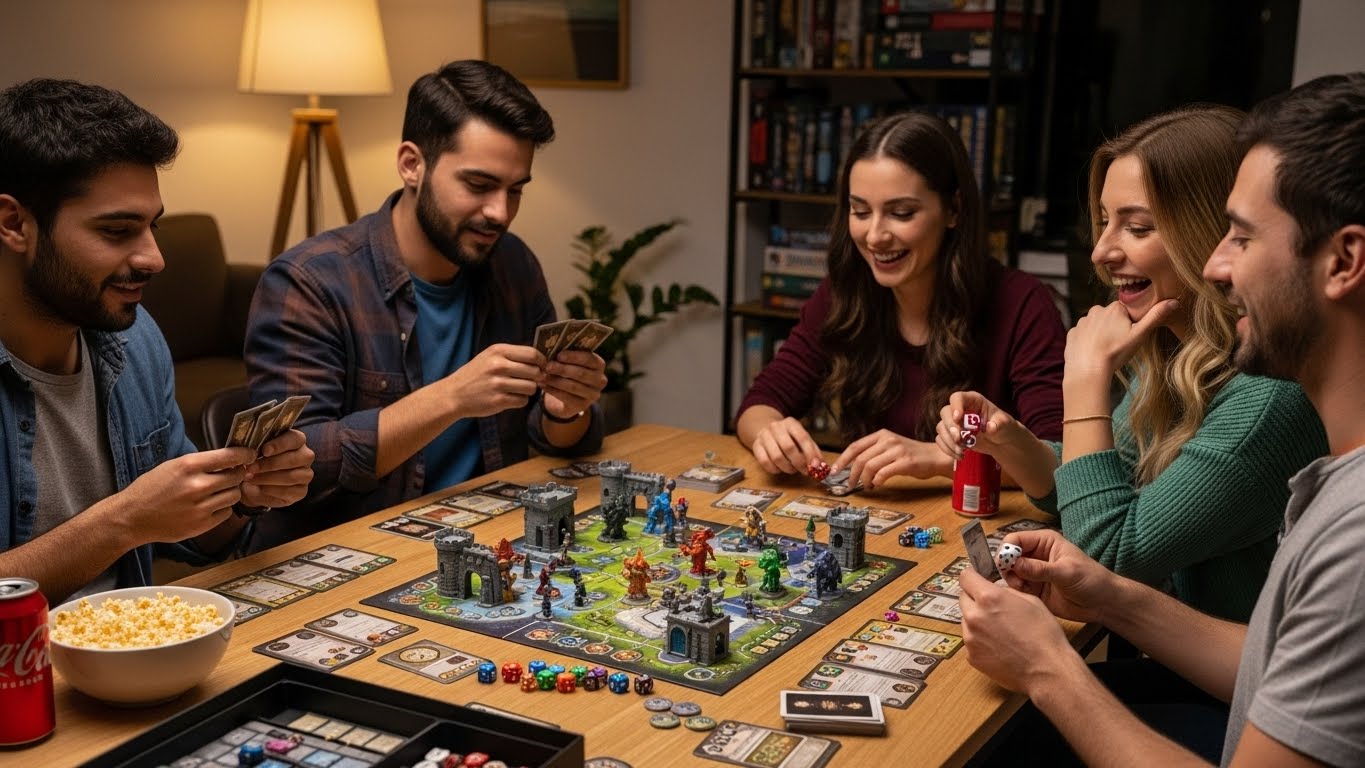
Games have been a part of human culture for thousands of years, evolving from simple, physical forms of entertainment to complex digital worlds that captivate millions of people today. Whether you’re rolling dice on a board, mastering a mobile puzzle, or diving into a vast virtual landscape, the world of games offers something for everyone. From their historical roots to modern innovations, games have become an essential part of social interaction, personal growth, and entertainment. In this blog post, we will explore the fascinating world of games, examining their evolution, cultural impact, and the diverse ways they engage players of all ages.
The Origins of Gaming: A Journey Through History
Games, in one form or another, have been a fundamental part of human society since ancient times. Some of the earliest recorded games date back to 2600 BC in ancient Mesopotamia, where people played board games such as the royal game of Ur. These early games, often simple and strategic, were typically played for leisure or as a means of social interaction.
In ancient Egypt, board games like Senet became central to religious and social rituals, while in Greece and Rome, dice games and gladiatorial combat served both as entertainment and a way to showcase skill and chance. Fast forward to the medieval period, and games continued to evolve. Chess, for example, emerged from India in the 6th century and spread to Europe by the 10th century, becoming a symbol of strategic thinking and intellectual prowess.
Over the centuries, games grew in complexity and variety. The Renaissance period saw the introduction of card games, which soon spread across Europe. The 19th century brought the creation of board games like Monopoly and Scrabble, and by the mid-20th century, the development of video games was on the horizon. The earliest video games were simple, pixelated simulations, but as technology improved, they grew in scope, offering richer narratives and more immersive experiences.
The Rise of Video Games: A New Era of Interactive Entertainment
The 1970s marked a turning point in the history of games. The release of the first arcade video game, Pong (1972), revolutionized how people interacted with games. Created by Atari, Pong was a simple two-player ping-pong simulation, but it sparked the beginning of the video game industry. As more arcade games appeared, the public began to embrace this new form of entertainment. Classic titles like Space Invaders (1978) and Pac-Man (1980) became cultural icons, marking the rise of video gaming as a major pastime.
In the early 1980s, home consoles such as the Atari 2600 and Nintendo Entertainment System (NES) brought video games into people’s homes, expanding the gaming audience beyond arcades. With the release of iconic titles like Super Mario Bros., The Legend of Zelda, and Donkey Kong, these consoles became the gateway to a new age of entertainment, where players could explore expansive worlds, engage in thrilling adventures, and even compete with friends and family.
The 1990s saw the emergence of 3D graphics and more advanced gameplay mechanics, thanks to consoles like the Sony PlayStation and Sega Saturn. This period also saw the birth of some of the most beloved franchises in gaming history, such as Final Fantasy, Gran Turismo, and Tomb Raider. The growing popularity of personal computers also opened the door to PC gaming, with titles like Doom and Warcraft pioneering online multiplayer gameplay and introducing new genres, such as first-person shooters (FPS) and real-time strategy (RTS) games.
Today, video games are more immersive than ever, with breathtaking graphics, complex storylines, and multiplayer experiences that connect players from all over the world. The video game industry has become a multibillion-dollar global phenomenon, with competitive eSports, live-streaming, and a diverse gaming culture that appeals to a wide range of players.
The Evolution of Gaming Genres: From Puzzles to Open Worlds
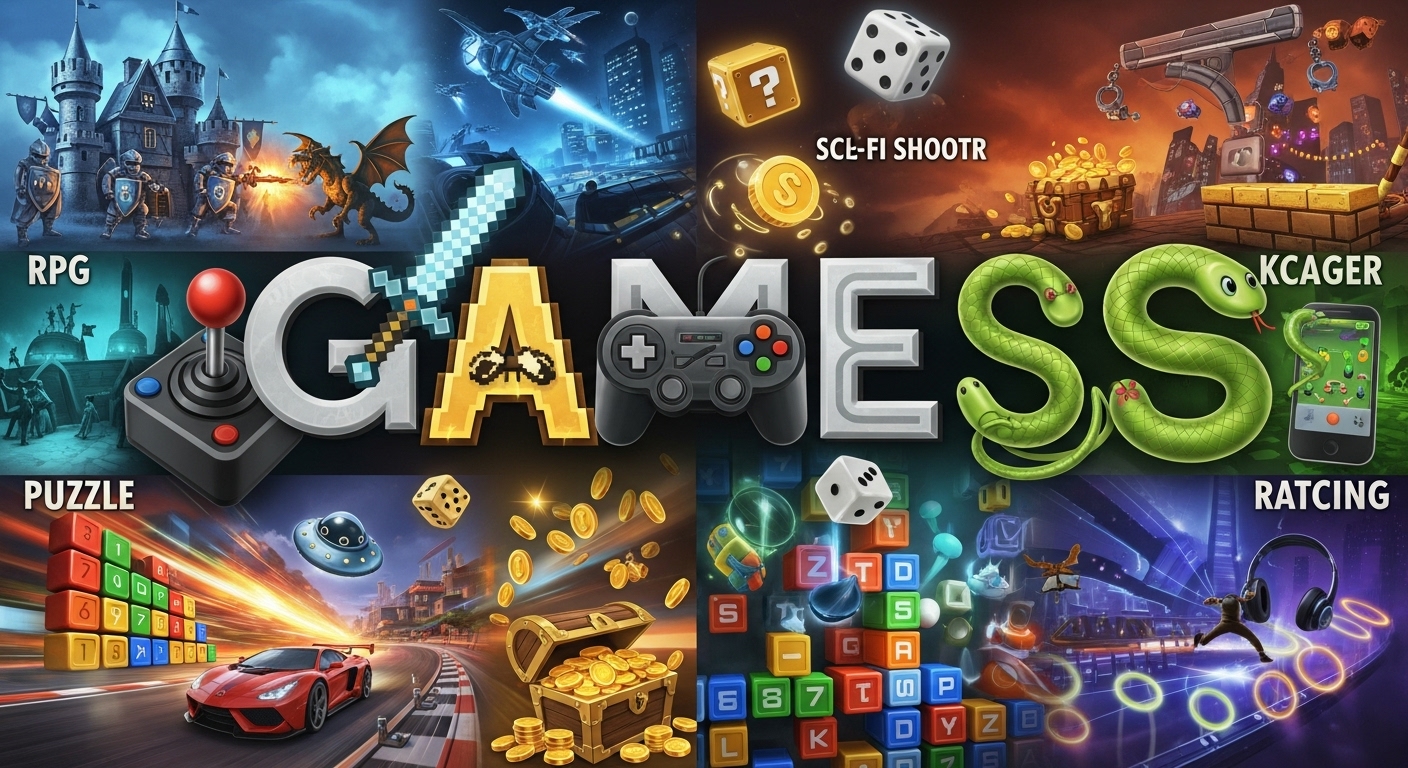
One of the most exciting aspects of gaming is its incredible diversity in terms of genres. Over the years, game developers have created a wide variety of experiences, each catering to different tastes and preferences. Here are some of the most influential and popular gaming genres:
Puzzle and Casual Games
Casual games are designed to be easy to play and accessible to a broad audience. These games often feature simple mechanics that require little commitment, making them perfect for short bursts of entertainment. Mobile games like Candy Crush Saga and Angry Birds have become household names, attracting millions of players worldwide. The appeal of these games lies in their simplicity and their ability to offer instant gratification, making them ideal for players of all ages.
Adventure and Role-Playing Games (RPGs)
Adventure and RPGs are among the most beloved genres in gaming, offering immersive experiences that blend storytelling, exploration, and problem-solving. These games allow players to take on the roles of characters in vast, dynamic worlds. Popular RPGs like The Elder Scrolls V: Skyrim, The Witcher 3: Wild Hunt, and Final Fantasy offer deep narratives, rich character development, and the freedom to explore expansive worlds.
Adventure games, such as the Legend of Zelda series, often focus on puzzle-solving and exploration, while RPGs may emphasize combat, questing, and character progression. Many RPGs today also feature multiplayer elements, allowing players to join forces with others in their quest to conquer dungeons, defeat powerful enemies, and achieve greatness.
Strategy Games
Strategy games, both turn-based and real-time, challenge players to think critically and plan ahead. Games like Age of Empires, Civilization, and StarCraft require players to manage resources, build armies, and devise tactics to outsmart their opponents. These games test players’ decision-making skills and their ability to adapt to ever-changing situations.
Real-time strategy (RTS) games, such as StarCraft and Command & Conquer, offer fast-paced action and require quick thinking and reflexes. Turn-based strategy (TBS) games, like XCOM and Advance Wars, allow players to take a more measured approach, carefully considering each move and planning long-term strategies.
Sports and Racing Games
For fans of sports and racing, video games offer the chance to experience the thrill of competition without stepping onto the field or track. Sports games like FIFA, NBA 2K, and Madden NFL let players control their favorite teams and athletes in highly realistic simulations of real-life sports. Racing games like Gran Turismo and Mario Kart provide fast-paced, adrenaline-pumping experiences, whether you’re racing in a realistic simulation or enjoying a fun, family-friendly arcade-style game.
First-Person Shooters (FPS)
FPS games are one of the most popular genres in modern gaming, offering fast-paced action and competitive multiplayer experiences. Games like Call of Duty, Halo, and Counter-Strike have shaped the FPS genre, providing players with intense gunplay, team-based combat, and the thrill of battling opponents in realistic environments. These games often emphasize teamwork, reflexes, and tactical strategy, and they have become the cornerstone of competitive gaming and eSports.
Simulation and Sandbox Games
Simulation and sandbox games allow players to create, manage, and control virtual worlds. Games like The Sims, SimCity, and Minecraft give players the freedom to build and design their own environments, whether it’s constructing a city, designing a virtual home, or exploring vast procedurally generated worlds. These games appeal to players who enjoy creativity and freedom, as they can shape their own experiences and stories within the game world.
The Impact of Gaming: Cultural, Social, and Psychological Effects
The impact of gaming extends far beyond entertainment. Games have become a global cultural phenomenon, shaping the way people interact, communicate, and even think. From online communities to eSports tournaments, gaming has created a sense of belonging and camaraderie for millions of players around the world.
Social interaction is one of the most significant aspects of modern gaming. Online multiplayer games have given rise to global communities where players can collaborate, compete, and form friendships. Platforms like Twitch and YouTube have enabled gamers to stream their gameplay, share tips, and engage with audiences, creating new forms of social interaction and entertainment.
The rise of eSports has further cemented gaming’s cultural significance, as professional gamers now compete for millions of dollars in prize money and worldwide recognition. eSports events draw huge crowds, both in-person and online, with some tournaments rivaling traditional sports in terms of viewership and popularity.
Additionally, gaming has been shown to have positive psychological effects, such as improving cognitive abilities, problem-solving skills, and hand-eye coordination. Games can also offer stress relief and emotional satisfaction, providing players with an escape from the pressures of everyday life.
The Future of Gaming: Virtual Reality, AI, and Beyond
The future of gaming is filled with exciting possibilities, thanks to rapid advancements in technology. Virtual reality (VR) and augmented reality (AR) are poised to revolutionize the gaming experience, offering players fully immersive environments where they can interact with the game world in ways never before possible. VR games like Beat Saber and Half-Life: Alyx have already shown the potential of this technology, and as VR hardware becomes more affordable and accessible, it’s expected that VR gaming will become a mainstream experience.
Artificial intelligence (AI) is another area of innovation in gaming. AI can create more realistic non-player characters (NPCs), improve game world behaviors, and even generate procedurally generated content, offering players new and dynamic experiences each time they play. Additionally, AI-powered game design could enable the creation of personalized experiences tailored to individual players’ preferences and playstyles.