Introduction
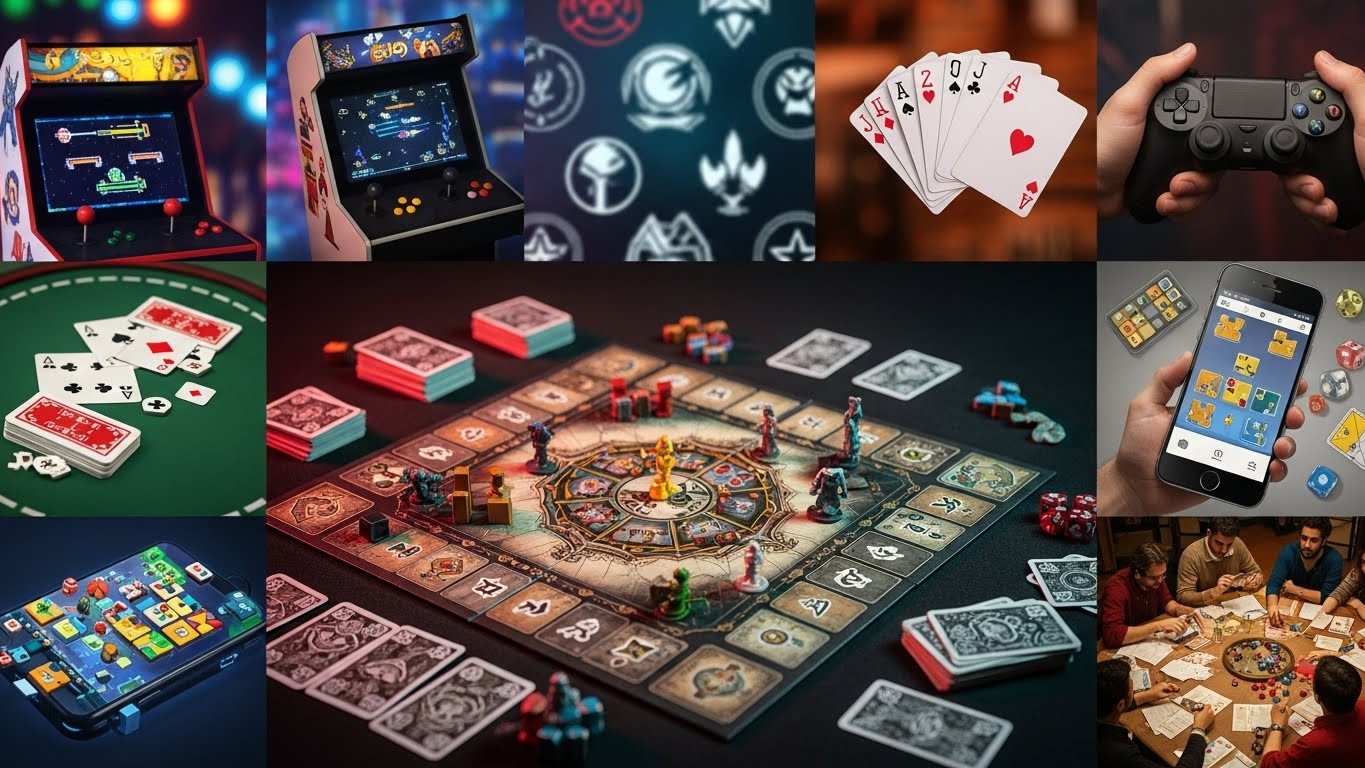
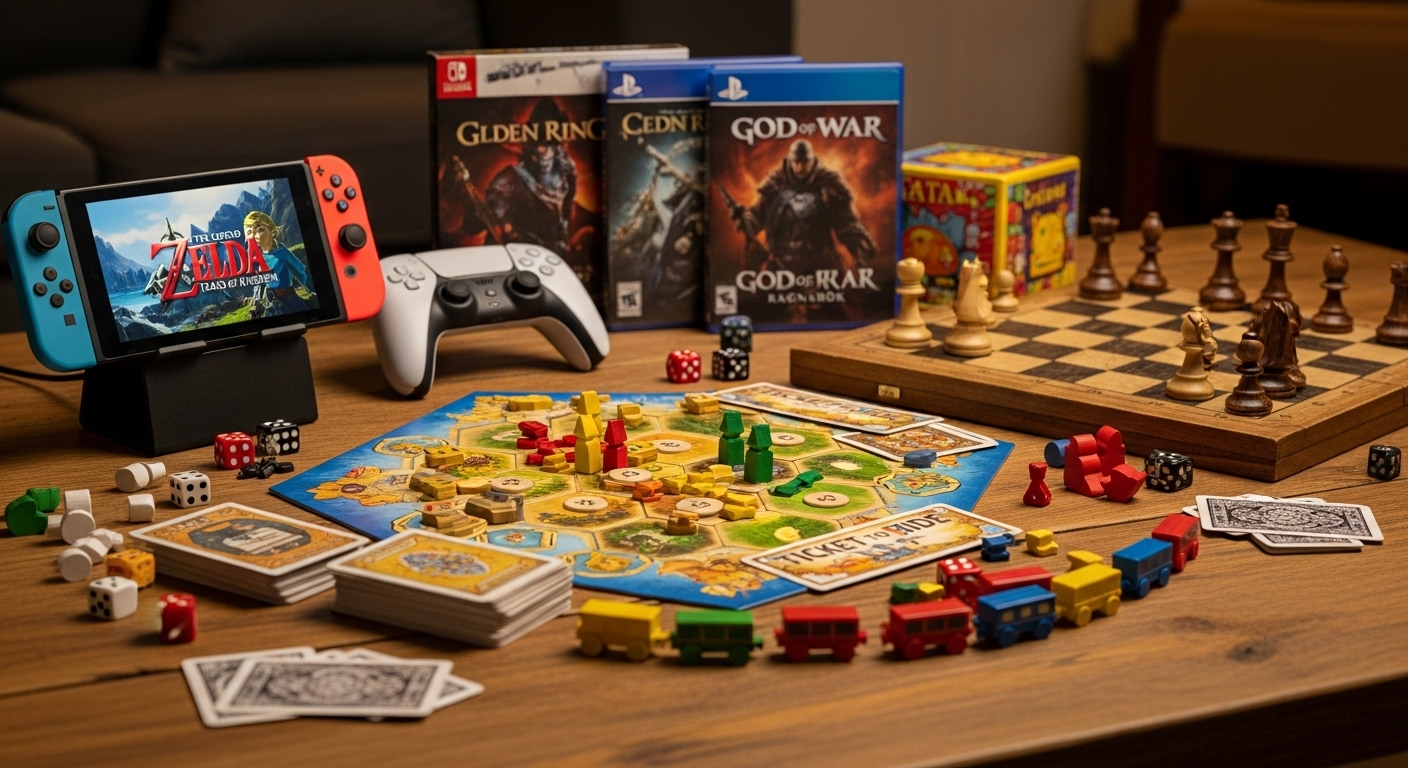
Games have been an integral part of human culture for centuries. From the earliest known games played in ancient civilizations to the expansive, immersive worlds of modern video games, play has always been a reflection of our creativity, social interactions, and even our values. In a world where technology constantly reshapes the way we live, the essence of games remains timeless. They entertain, teach, challenge, and bring people together. But beyond the enjoyment and competition, games are much more—they shape societies, influence cultures, and impact individuals on a deep psychological level.
In this blog, we will explore the fascinating history of games, how they have evolved over time, and why play continues to be such a powerful force in human society. Whether through ancient board games or modern virtual worlds, the power of play transcends time and remains a universal experience.
The Roots of Gaming: Early Civilizations and Ancient Games
The concept of games is as old as civilization itself. Some of the earliest games were found in ancient cultures, where they served not only as forms of entertainment but also as tools for learning, strategic thinking, and socialization. Evidence of early games has been discovered in Mesopotamia, Egypt, and China, each offering a glimpse into the significance of play in these societies.
In ancient Egypt, the game Senet is considered one of the oldest known board games, dating back to around 3100 BCE. While the rules of the game remain unclear, it is believed to have been a strategy game with spiritual significance, symbolizing the journey of the soul through the afterlife. The game was played on a rectangular board with 30 squares, and players moved their pieces based on dice rolls, making it an early form of chance-based strategy.
Similarly, in China, the game of Go emerged over 2,500 years ago. Considered one of the most complex and strategic games ever created, Go has influenced many cultures and remains popular today. The simplicity of the game’s rules contrasts with the profound depth of its strategy, making it a perfect example of how games can combine intellect, skill, and culture.
In ancient Greece and Rome, games also played a central role in society. The Olympic Games, originating in Greece, celebrated physical prowess and athleticism, and they were held to honor the gods. These early games helped foster a sense of unity and competition, which would later influence the creation of modern sports.
The Evolution of Board Games
As civilizations progressed, the nature of games continued to evolve. By the 19th century, board games became a popular pastime in Europe and America. They provided a social activity for families and friends to enjoy together, and their appeal extended to all age groups.
The industrial revolution in the 19th century helped make board games more accessible. Games like Monopoly and Scrabble became household names, offering not just entertainment but also opportunities to teach valuable life skills such as financial management, vocabulary building, and strategic thinking. Monopoly, for example, was designed to teach players about property ownership, economics, and the consequences of financial decisions, all while keeping them engaged with its competitive gameplay.
During this time, games also began to reflect the values of society. The popularity of Risk and Clue, for example, spoke to a desire for games that combined elements of strategy, suspense, and intellect. These games encouraged critical thinking, teamwork, and the ability to adapt to ever-changing situations, traits that would later be important in both business and life.
The Rise of Video Games
The real turning point for the gaming industry came in the 1970s with the advent of video games. The first commercially successful video game, Pong (1972), was a simple ping-pong simulation that marked the beginning of a new era in entertainment. While early video games were rudimentary, they laid the foundation for a multi-billion-dollar industry that would continue to evolve.
As home gaming consoles like the Atari 2600 and the Nintendo Entertainment System (NES) became more widespread in the 1980s, video games began to capture the imagination of children, teenagers, and adults alike. Iconic games like Super Mario Bros., Pac-Man, and The Legend of Zelda introduced players to immersive worlds, vibrant characters, and intricate levels that required both skill and strategy.
The 1990s ushered in the era of 3D graphics, transforming the way games were played. Titles like Super Mario 64, Final Fantasy VII, and Tomb Raider showcased the potential of 3D environments and complex storytelling, helping to elevate video games from a niche hobby to a mainstream form of entertainment. With these advancements in graphics and gameplay came a new form of interactive art, blending storytelling, music, and visual design in ways that had never been seen before.
The Explosion of Online Gaming
The next major shift in the gaming landscape came with the rise of the internet in the 2000s. Online multiplayer games enabled people from across the world to connect and compete in real-time, opening up new opportunities for social interaction and global competition. Games like World of Warcraft, Counter-Strike, and Halo transformed the gaming experience into something more social, as players could now team up, strategize, and communicate with others in a virtual space.
The growth of online gaming also gave birth to the phenomenon of eSports, where professional gamers compete in organized tournaments for large cash prizes. eSports has exploded in popularity, with massive events drawing millions of viewers, making competitive gaming a legitimate sport in many parts of the world. Streaming platforms like Twitch have further amplified this trend, allowing gamers to share their experiences and build communities with fans across the globe.
This new era of online gaming brought people together in ways that traditional games could not. Social media, streaming, and online communities have created a global network where players share tips, stream their gameplay, and form lasting relationships with others who share their passion.
The Role of Technology in Modern Gaming
As technology continues to evolve, so too does the gaming experience. Advancements in graphics, processing power, and artificial intelligence (AI) have led to increasingly immersive and realistic gaming experiences. The rise of 4K and virtual reality (VR) has enabled game developers to create lifelike worlds that players can step into and explore.
VR has especially transformed the way games are played, offering players the chance to physically interact with the game world. VR headsets like the Oculus Rift and HTC Vive have opened up new possibilities for gameplay, allowing for a more immersive and interactive experience that was previously unimaginable.
In addition to VR, the rise of mobile gaming has democratized the gaming experience, making it more accessible to people around the world. Smartphones and tablets have made it possible for people to play high-quality games anytime, anywhere, without the need for expensive hardware. Games like Angry Birds, Candy Crush, and Fortnite have captured the attention of millions of players worldwide, proving that gaming is no longer limited to traditional platforms.
Cloud gaming, which allows players to stream games directly from the cloud, is also on the rise. Services like Google Stadia and Xbox Cloud Gaming eliminate the need for powerful consoles or high-end PCs, opening up gaming to a broader audience and making it more affordable than ever.
The Social Impact of Games
Games are more than just entertainment—they serve as a powerful tool for social interaction. Multiplayer games, both online and offline, bring people together to work as teams, compete, and share experiences. Whether it’s playing a local co-op game with friends or teaming up with players from around the world, games have the unique ability to connect individuals and create communities.
Beyond the social aspect, games also serve as a platform for self-expression and creativity. Games like Minecraft and The Sims allow players to build, create, and shape their virtual worlds, providing an outlet for imagination and personal expression. The ability to customize avatars, design in-game environments, and even create user-generated content has made games a form of art in their own right.
The rise of streaming platforms has further enhanced the social element of gaming. Gamers can now share their gameplay with millions of viewers, engage with their audience, and build fan communities. This has led to the rise of “content creators” and “influencers” who have turned gaming into a full-time career, with sponsorships, merchandise sales, and live events contributing to the industry’s rapid growth.
The Future of Games: Where Are We Heading?
As gaming continues to evolve, the future of play looks bright. The ongoing advancement of technology promises even more immersive and interactive experiences. Virtual reality, augmented reality (AR), and artificial intelligence will continue to push the boundaries of what games can do. The blending of physical and digital spaces will likely lead to new types of games that blur the line between the real world and virtual worlds.
The rise of subscription-based services, like Xbox Game Pass and PlayStation Now, could change the way people access and play games, offering players the ability to enjoy a wide range of titles for a fixed monthly fee. Cloud gaming could become even more prevalent, making it possible to play high-quality games on any device without the need for powerful hardware.
Additionally, the growing presence of eSports will likely continue to expand, with new games, tournaments, and media opportunities emerging. As more people discover the competitive side of gaming, eSports will become a mainstream form of entertainment, with greater recognition and potentially even inclusion in global sporting events like the Olympics.
Conclusion
Games are a universal language that transcends time, space, and culture. From the ancient pastimes of early civilizations to the cutting-edge virtual worlds of today, games have played a significant role in shaping our societies and our individual lives. They entertain, teach, challenge, and bring people together in ways that few other activities can.