Introduction
Games have always been an essential part of human culture. From the earliest board games carved into stone to the vast virtual worlds of modern gaming, the spirit of play has remained a driving force in society. Games entertain, educate, and connect people across the globe, transcending boundaries of age, language, and geography. They are more than just a pastime—they are a reflection of creativity, competition, and collaboration.
Today, the gaming industry stands as one of the largest entertainment sectors in the world. Whether through traditional sports, board games, or digital platforms, the concept of gaming continues to evolve. This blog explores the evolution of games, their cultural impact, the technology behind modern gaming, and the reasons why games hold such a powerful place in human life.
The Origins of Games
The history of games stretches back thousands of years. Archaeological evidence shows that games like Senet in ancient Egypt and Go in China were played as early as 3000 BCE. These early forms of play were not merely entertainment—they carried spiritual, educational, and social importance.
Board games represented strategy and intellect, while physical games like wrestling and racing were symbols of strength and endurance. In ancient Greece and Rome, games were a way to celebrate human excellence and were even used to train soldiers and athletes. Across civilizations, from the Mayans to the Mesopotamians, games became a universal language of challenge and fun.
The Evolution of Modern Gaming
As societies evolved, so did their games. The 19th and 20th centuries marked the rise of board games like chess, checkers, and Monopoly, which became family staples. The invention of playing cards and dice-based games added new layers of complexity and luck.
However, the real revolution began with the invention of digital technology. In the 1950s and 1960s, scientists and programmers began experimenting with computer-based games. Early titles like “Tennis for Two” and “Spacewar!” laid the groundwork for the video game industry. The 1970s saw the commercial debut of arcade games, with hits like “Pong” capturing the public’s imagination.
By the 1980s and 1990s, gaming had entered homes through consoles like the Atari, Nintendo Entertainment System, and Sega Genesis. The rise of personal computers also opened new doors for gaming enthusiasts, allowing for strategy and simulation games that demanded creativity and critical thinking. The 2000s onward brought online gaming, mobile platforms, and immersive technologies like virtual reality, transforming games from simple diversions into entire ecosystems of entertainment.
The Diversity of Games
The world of games is incredibly diverse, catering to different interests, skills, and experiences. Each category offers its own form of engagement and emotional reward.
Video Games
Video games are perhaps the most dominant form of gaming today. They span genres such as action, adventure, role-playing, sports, and strategy. From story-driven masterpieces to competitive multiplayer arenas, video games combine art, technology, and interactivity. Titles like open-world adventures, survival simulations, and fantasy RPGs offer limitless exploration and creativity.
Board Games and Tabletop Games
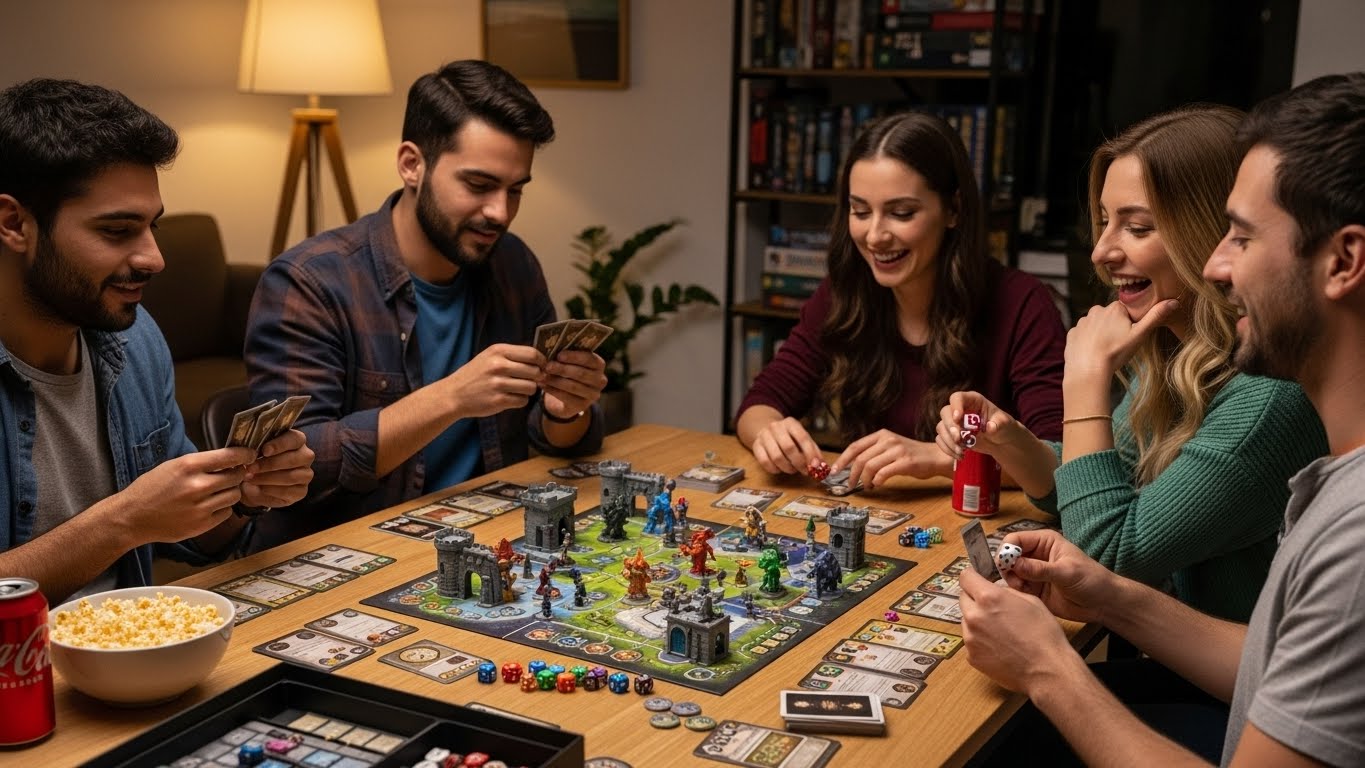
Despite digital dominance, traditional board games remain timeless. Games like chess, Scrabble, and Catan encourage strategic thinking and face-to-face interaction. Tabletop role-playing games, such as Dungeons and Dragons, have inspired generations of storytellers and have even influenced video game design.
Sports and Outdoor Games
Physical games and sports are among the oldest and most universal forms of play. From football and basketball to cricket and tennis, these games promote teamwork, discipline, and fitness. They are not only competitions but also celebrations of human skill and endurance.
Mobile and Casual Games
The accessibility of smartphones has turned gaming into a daily activity for millions. Mobile games cater to all age groups, offering instant fun and relaxation. These games, often simple in mechanics but engaging in design, have made gaming more inclusive than ever.
The Role of Technology in Gaming
Technology is the backbone of modern gaming, enabling innovations that were once unimaginable. Each technological advancement has pushed the boundaries of what games can achieve.
Graphics and Realism
From pixelated beginnings to ultra-realistic visuals, game graphics have evolved dramatically. Modern engines and 3D rendering technologies create lifelike characters and environments, making gaming a deeply immersive experience.
Artificial Intelligence
AI has changed how games interact with players. Intelligent opponents, adaptive challenges, and procedural generation have made gameplay more dynamic and unpredictable. AI-driven design also enhances storytelling by creating responsive, evolving worlds.
Virtual and Augmented Reality
Virtual reality (VR) and augmented reality (AR) have brought gaming into new dimensions. VR places players inside digital worlds, offering complete immersion, while AR blends virtual elements into real-world surroundings, as seen in games that encourage exploration and movement.
Cloud Gaming and Online Platforms
The rise of cloud gaming allows players to stream high-quality games without the need for powerful hardware. Online platforms have also revolutionized gaming communities, enabling players to compete, collaborate, and share experiences globally.
Games as a Form of Art
Many people now recognize games as a legitimate art form. The combination of visual design, music, storytelling, and interactivity creates experiences that rival movies and literature. Games can evoke emotion, inspire creativity, and provoke thought.
Story-driven games explore complex themes such as morality, survival, love, and identity. They invite players to make decisions that shape outcomes, giving them a sense of authorship and emotional investment. Artistic game design also fosters cultural expression, representing diverse voices, traditions, and perspectives.
The Social Impact of Games
Beyond entertainment, games play a vital role in connecting people. Online multiplayer games allow individuals from different continents to interact, compete, and form friendships. Gaming communities have grown into global networks where players collaborate, share strategies, and even celebrate cultural events.
Games also promote teamwork, problem-solving, and leadership skills. In educational settings, gamified learning helps students grasp complex subjects through interactive experiences. Even in professional environments, games are used for training, simulation, and collaboration.
During challenging times, such as global lockdowns, games have provided a source of social connection and comfort. They became digital meeting spaces where people could communicate, create, and escape from stress.
The Psychology of Gaming
The appeal of games lies deeply in human psychology. Games satisfy fundamental needs for achievement, exploration, and social interaction. Winning or completing objectives triggers dopamine release, which creates feelings of satisfaction and motivation.
Moreover, games offer a sense of control and progress. Players can experiment, fail, and try again without real-world consequences. This feedback loop encourages persistence and creativity. Cooperative games build empathy and communication, while competitive ones stimulate focus and resilience.
The Global Gaming Industry
The gaming industry has become one of the most profitable entertainment sectors, surpassing even film and music. With billions of players worldwide, gaming has created countless job opportunities in design, programming, animation, and marketing.
Major gaming events and tournaments attract massive audiences, turning professional gamers into celebrities. Streaming platforms have further fueled this growth, as players share their experiences with millions of fans. Game development has also inspired independent creators, giving rise to unique and artistic projects that challenge mainstream trends.
Challenges in the Gaming World
Despite its growth, the gaming industry faces several challenges. One major concern is gaming addiction, where excessive play affects mental health and productivity. Developers and organizations are now promoting responsible gaming habits, encouraging players to balance their playtime.
Toxic behavior in online communities, such as harassment and cheating, also affects player experiences. Ensuring inclusivity and positive interaction is an ongoing effort across platforms.
Moreover, the high cost of game development and the competition among studios can sometimes lead to rushed or incomplete releases. Maintaining creativity while meeting commercial demands remains a delicate balance.
The Future of Gaming
The future of gaming looks brighter than ever. Emerging technologies like artificial intelligence, metaverse integration, and cross-platform connectivity will redefine how games are played and experienced. Players will enjoy more personalized experiences where choices and actions have deeper consequences.
The blending of virtual and physical realities will continue to evolve, allowing players to live stories instead of merely watching them. Meanwhile, the focus on accessibility will make gaming more inclusive, ensuring everyone can participate regardless of skill or physical ability.
Environmental consciousness is also becoming a part of game development, as companies aim to create sustainable production methods and energy-efficient gaming systems.
As the boundaries between entertainment, technology, and art continue to blur, gaming will remain at the heart of innovation and creativity.
Conclusion
Games are more than a form of amusement—they are a mirror of human imagination and progress. From ancient boards and playgrounds to immersive virtual worlds, games have shaped how people learn, connect, and express themselves.
They inspire collaboration, competition, and creativity, reflecting the best aspects of human culture. As technology advances, the world of gaming will continue to grow, offering new experiences and opportunities for generations to come.
The endless world of games reminds us that play is not just for fun—it is a celebration of curiosity, invention, and the shared joy of being human.