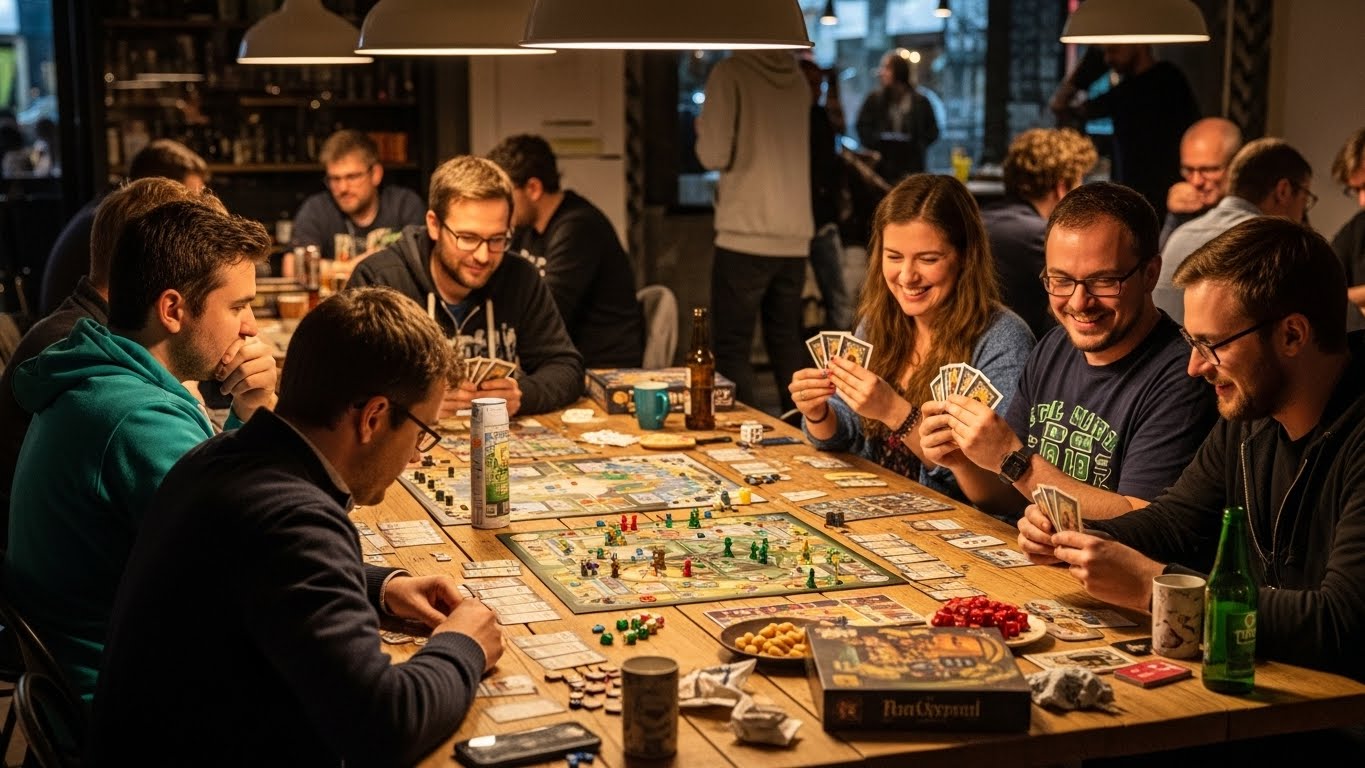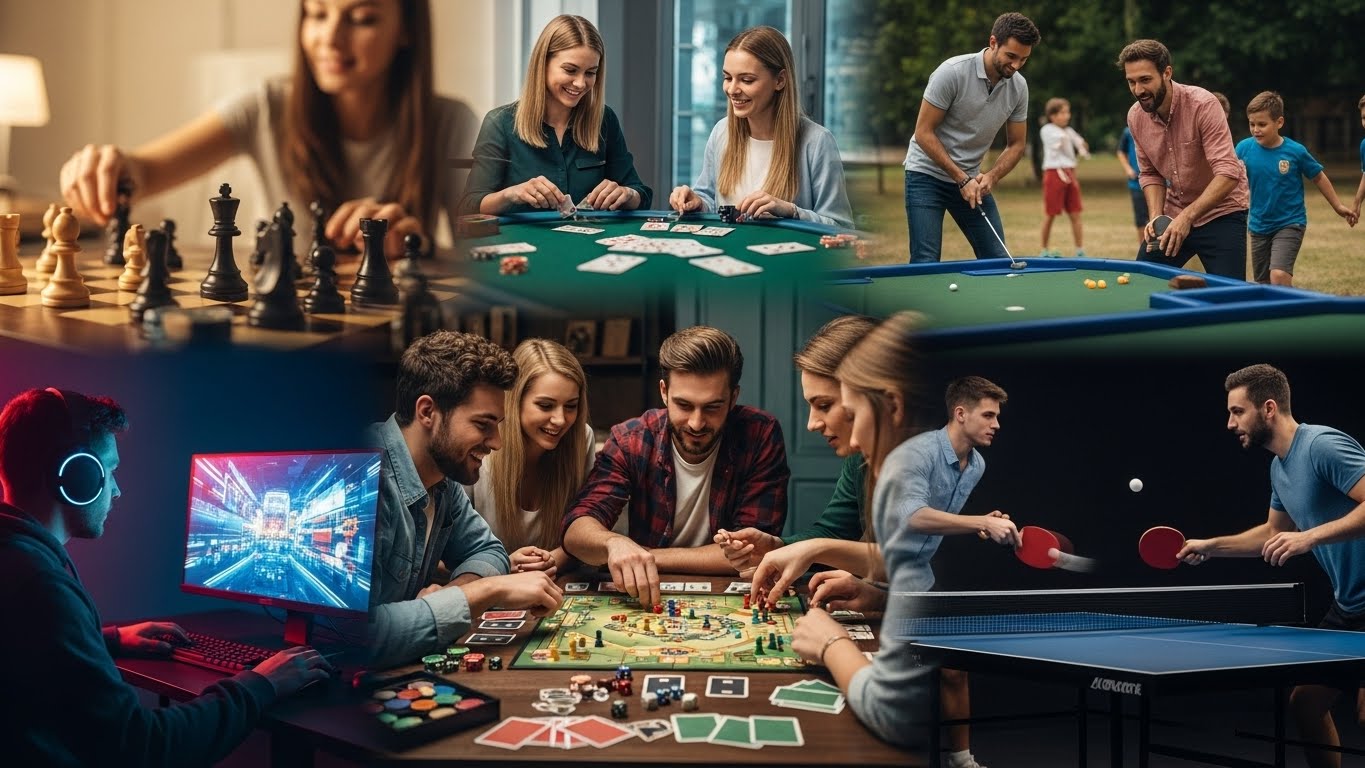

Games have always been a fundamental part of human life, from the earliest board games played by ancient civilizations to the digital spectacles we see today. They reflect creativity, competition, learning, and the evolution of technology. In every era, games have adapted to the tools and ideas of the time, becoming not just sources of entertainment but also key elements of culture, education, and social connection. As we move further into the digital age, games have transformed from simple pastimes into a massive industry shaping how we interact with technology, each other, and even ourselves.
The Origins of Gaming
Long before electronic entertainment, games existed in various forms. Ancient civilizations such as the Egyptians, Greeks, and Chinese created games that combined strategy and luck. The game of Senet, found in ancient Egyptian tombs, is one of the earliest known board games, symbolizing both entertainment and spiritual passage. In China, Go emerged over two thousand years ago and continues to be one of the most complex strategic board games ever designed. These early games demonstrated humanity’s fascination with structured play and problem-solving.
Dice, another ancient invention, played a crucial role in early gaming. They were used not just for entertainment but also for divination and ritual purposes. Board games like Chess and Backgammon evolved later, combining intellect, foresight, and planning. They became mental exercises and, in some cultures, tools for teaching warfare tactics and decision-making. These early experiences with gaming laid the foundation for what would later become an immense global phenomenon.
The Birth of Modern Gaming
With the advent of industrialization and the printing press, games began to reach wider audiences. The nineteenth century saw the creation of many traditional board games that are still played today, such as Monopoly, Scrabble, and Clue. These games brought families together, encouraged strategic thinking, and introduced elements of storytelling and imagination.
The 20th century, however, marked a turning point. Technology began to reshape gaming in ways that had never been possible before. The development of electricity and computing created the foundation for a new kind of play—electronic games. The earliest examples were simple but revolutionary. The 1950s introduced basic computer games like “Tennis for Two” and “Spacewar!”, which, though primitive by today’s standards, opened a world of possibilities.
The Arcade Revolution
By the 1970s, video games had escaped laboratories and entered the public domain through arcades. These were vibrant social spaces filled with flashing lights, intense competition, and the sound of coins clinking. Games like Pac-Man, Space Invaders, and Donkey Kong became cultural icons. They defined a generation and made video gaming a mainstream activity.
Arcades did more than just provide entertainment; they fostered community and competition. Players lined up to set high scores, and friendships or rivalries often formed around gaming machines. The arcade era also marked the rise of game design as an art form, where developers began to experiment with creativity, narrative, and challenge.
The Home Console Era
The success of arcade games paved the way for home consoles. The 1980s and 1990s witnessed the rise of gaming giants such as Nintendo, Sega, and later Sony. With the introduction of the Nintendo Entertainment System (NES), games like Super Mario Bros., The Legend of Zelda, and Metroid became household names. These titles combined storytelling, innovation, and gameplay mechanics that would define the medium for decades.
The home console made gaming accessible to millions. No longer did players need to go to an arcade; they could immerse themselves in interactive worlds from the comfort of their living rooms. This era also gave birth to the idea of gaming franchises and beloved characters that became part of popular culture.
Sega challenged Nintendo with the Sega Genesis, leading to the famous “console wars” of the early 1990s. Competition pushed companies to innovate, resulting in better graphics, sound, and gameplay experiences. The arrival of Sony’s PlayStation in 1994 and later Microsoft’s Xbox in 2001 expanded the market even further, transforming gaming into a mainstream form of entertainment rivaling television and film.
The Rise of PC and Online Gaming
While consoles dominated living rooms, the personal computer opened up a different kind of gaming experience. PC gaming offered flexibility, modding, and technical depth that appealed to a different audience. Early PC games like Doom, Warcraft, and Civilization became classics, emphasizing creativity and complexity.
The introduction of the internet revolutionized gaming even further. Multiplayer online games allowed players to connect across the world, creating virtual communities and competitive environments. Titles like Counter-Strike, StarCraft, and later World of Warcraft defined online play for millions.
Online gaming blurred the line between physical and virtual worlds. Players formed friendships, teams, and even careers in digital spaces. Esports began to emerge as professional competitions where the best players could earn recognition and substantial rewards.
The Evolution of Mobile Gaming
As technology continued to advance, gaming became more portable. The early 2000s saw the rise of mobile phones and handheld consoles such as the Game Boy and PlayStation Portable. But it was the smartphone revolution that truly democratized gaming. With the introduction of app stores, millions of people gained instant access to games.
Mobile games like Angry Birds, Candy Crush, and Clash of Clans turned casual gaming into a global phenomenon. These games were easy to learn but hard to master, attracting players from all age groups. Mobile gaming’s accessibility made it the largest segment of the gaming industry, surpassing both console and PC revenues.
The Role of Technology in Shaping Modern Games
Technology continues to redefine gaming at an astonishing pace. High-definition graphics, realistic physics engines, and advanced artificial intelligence have brought games closer to cinematic experiences. Virtual reality (VR) and augmented reality (AR) are creating immersive environments that blur the boundaries between the real and digital worlds.
Cloud gaming, another innovation, allows players to stream games without expensive hardware. This shift is making high-end gaming experiences accessible to a wider audience. Artificial intelligence is also enhancing game design by creating adaptive environments, smarter non-playable characters, and personalized player experiences.
The integration of blockchain and digital ownership has also begun to change how players interact with virtual economies. Players can now own digital assets, trade items, and even earn real income through gaming ecosystems.
Games as a Social and Cultural Force
Games are no longer just individual pursuits; they are deeply social experiences. Multiplayer games, online communities, and streaming platforms have transformed gaming into a form of social interaction and even performance. Platforms like Twitch and YouTube have created new types of celebrities—gamers who entertain millions by sharing their experiences.
Culturally, games have become storytelling mediums as powerful as literature or film. Modern titles often explore deep emotional and philosophical themes. Games like The Last of Us, Red Dead Redemption 2, and Journey demonstrate that interactive storytelling can be both moving and thought-provoking.
Gaming also serves as a tool for education and empathy. Simulation games allow players to explore historical events, scientific principles, or complex moral choices. Games like Minecraft have been integrated into classrooms, teaching creativity, collaboration, and problem-solving skills.
The Psychological and Social Benefits of Gaming
Contrary to outdated stereotypes, gaming offers numerous cognitive and emotional benefits. Strategic and puzzle games enhance problem-solving and critical thinking. Action and adventure games improve reflexes, coordination, and decision-making under pressure.
Socially, gaming fosters communication, teamwork, and community. Online multiplayer games require collaboration and strategy, often connecting people across cultures and continents. For many, gaming communities provide a sense of belonging and shared identity.
Moreover, gaming can serve therapeutic purposes. Research shows that certain games can help manage stress, anxiety, and depression. Games designed for mental health, such as meditation apps or narrative-driven experiences, can provide comfort and healing.
Challenges and Controversies in the Gaming Industry
Despite its successes, the gaming industry faces challenges. Issues such as addiction, toxicity in online communities, and excessive monetization practices have sparked debates. Some games rely heavily on microtransactions or “pay-to-win” systems, raising concerns about fairness and accessibility.
Representation and inclusivity have also become important topics. For years, gaming struggled with diversity in characters and storytelling. However, recent years have seen efforts to create more inclusive narratives, representing different genders, ethnicities, and experiences.
Another growing issue is game preservation. As technology evolves, many older games risk being lost due to outdated systems or licensing issues. Preserving gaming history is essential to maintaining cultural heritage and understanding how the medium evolved.
The Future of Gaming
The future of gaming promises even greater innovation. With the development of artificial intelligence, virtual reality, and cloud computing, games will become more immersive and personalized. Players will be able to interact with living worlds that respond dynamically to their choices.
The boundaries between different forms of media are also dissolving. Games are merging with film, music, and social media to create hybrid entertainment experiences. Interactive storytelling may soon become a mainstream art form where players influence narratives in real time.
Moreover, gaming is poised to play a greater role in education, therapy, and professional training. Simulation-based learning and virtual classrooms can make complex subjects engaging and accessible.
Esports will continue to grow, gaining recognition as a legitimate sport with structured leagues, sponsorships, and global audiences. The future may see gaming integrated into mainstream sporting events, bridging the gap between physical and digital competition.
The Global Economic Impact of Gaming
The gaming industry has become one of the largest sectors of entertainment, surpassing film and music combined. It drives innovation in technology, graphics, and artificial intelligence. Major companies invest billions into developing new gaming experiences, while independent developers continue to push creative boundaries.
Gaming also creates countless career opportunities. Beyond programmers and designers, the industry relies on artists, writers, musicians, marketers, and analysts. Esports, content creation, and streaming have opened entirely new professions that did not exist a decade ago.
Games as an Art Form
As technology evolves, more people are beginning to recognize games as a legitimate art form. They combine elements of visual art, music, narrative, and interaction in ways no other medium can. A beautifully crafted game can evoke emotion, spark thought, and create unforgettable experiences.
Games like Shadow of the Colossus, Ori and the Blind Forest, and Celeste are often praised for their emotional depth and artistic vision. These experiences show that gaming can be more than entertainment—it can be a reflection of human creativity and imagination.
Conclusion
From ancient board games to hyper-realistic virtual worlds, the journey of games is a testament to human innovation and the universal desire for play. They have evolved from simple diversions into powerful cultural, educational, and technological forces that shape how we learn, connect, and dream.
Games reflect who we are as people—our curiosity, competitiveness, creativity, and need for connection. As the boundaries between the real and digital continue to blur, one thing remains constant: gaming will always be a part of what makes us human. Whether through laughter with friends, the thrill of victory, or the beauty of shared imagination, games remind us that play is not just recreation—it is an essential expression of life itself.